Independent companion caregiver for seniors
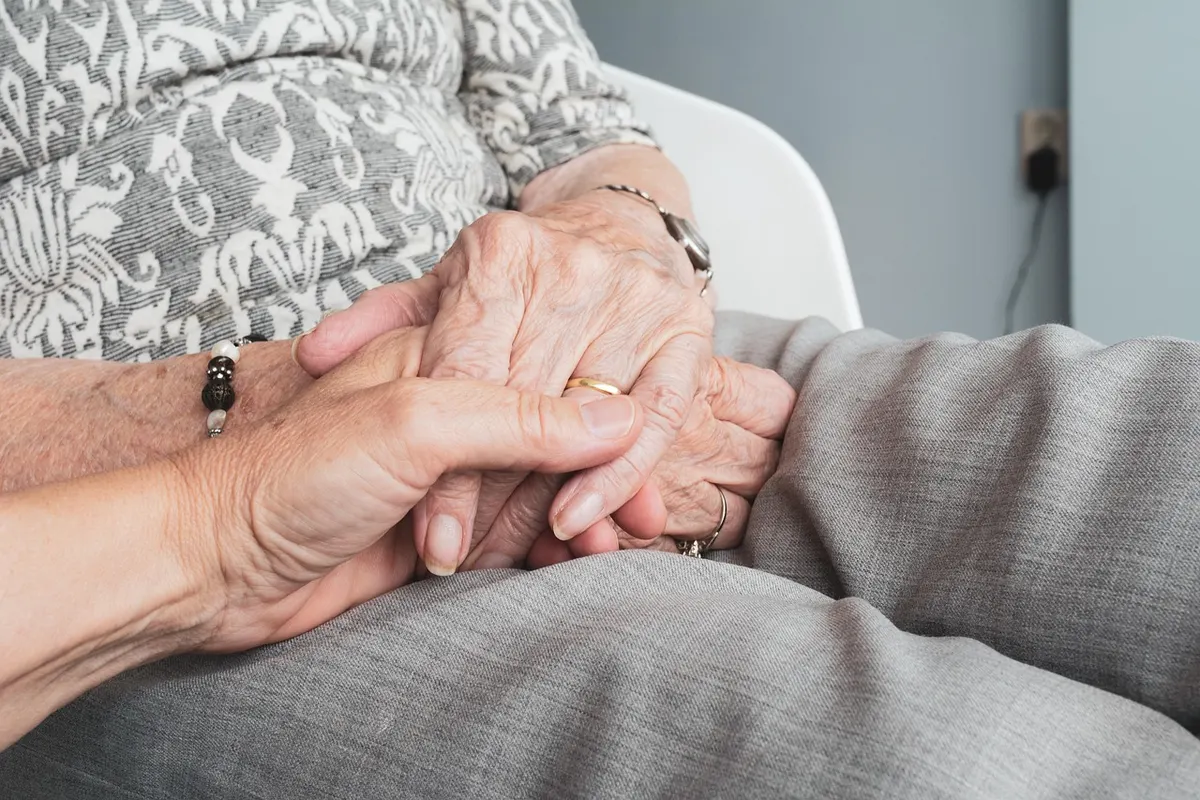
Help older adults stay at home with company, meals, errands and light housekeeping, paid by the hour by families.
- $300-1.5k
- Side hustle
- Out and about
Estimates for a small start in the US, not guarantees.
Official data
40,265 US businesses with employees in this field, -3.3% in a year
NAICS 624120 “Services for the elderly and persons with disabilities”. Source: U.S. Census Bureau, County Business Patterns 2023.
What it is
Non-medical support for seniors in their own homes: companionship, meal prep, light housekeeping, rides to appointments, medication reminders and a safe presence. You work for yourself with a small number of regular clients.
Your first three steps
- Check your state's rules on non-medical caregivers and what tasks you may do without a license
- Get CPR and first aid certified, a background check and general liability insurance
- Tell local senior centers, churches and discharge planners about your services, and set an hourly rate by checking local agencies' prices
Who pays
Adult children and families paying privately. Some clients use long-term care insurance or veterans' benefits, which may have their own rules.
How it makes money
Hourly rate, often with a minimum visit length. Overnight or live-in shifts can be priced separately. Regular weekly clients give steady income.
Skills that help
- Patience and empathy
- Reliable and trustworthy
- Basic cooking and housekeeping
- Comfortable with personal conversation and routines
Watch out for
- Some states require a license or registration even for non-medical home care, check with your state health or aging department
- General liability insurance, and ask about bonding for clients who give you keys
- Whether you are treated as an independent contractor or as a household employee for tax purposes, check with the IRS or an accountant
- Stay within your scope: personal care or medical tasks may need extra training or a license
- Emotionally and physically demanding work, plan breaks and backup cover
Deep research report · US
Everything you need to start: independent companion caregiver for seniors
Researched with live web search for United States: real startup prices, the licences and rules, what others charge, a break-even example, how to find your first customers and a 30-day launch plan. With sources.
- Startup costs with real prices
- Licences, registration and rules
- Pricing: what others charge
- Break-even example
- Finding your first customers
- 30-day launch plan
- Risks and how to reduce them
Questions people ask
How much does it cost to start as a companion caregiver?
Startup costs are typically around $300 to $1,500, depending on things like liability insurance and any bonding you choose. Costs also vary with the basic supplies and training you decide you need.
How much can an independent companion caregiver earn?
Monthly revenue is typically estimated around $800 to $4,000, depending on how many regular clients you take and how many hours you work. Estimates start from about 10 hours a week.
Do I need a license to work as a companion caregiver for seniors?
Some states require a license or registration even for non-medical home care, so check with your state health or aging department. Also check liability insurance, how the IRS treats you for tax purposes, and your scope, since personal care may need extra training.
Other ways to run this business

Small non-medical home care agency
Run a local agency that matches vetted caregivers with seniors who want to stay at home, and manage the schedule.
- $3k-15k
- Full-time
- From home

Small residential care home for seniors
Open your home or a rented house to a few older residents who need daily help in a family-style setting.
- $25k-120k
- Full-time
- Own premises
Similar health and wellness ideas

Online weight loss coach
Coach clients by video and chat on habits, food and routines, from your own home.
- $300-1.5k
- Side hustle
- Online
Virtual doula and birth class teacher
Offer video-based prenatal coaching, birth prep classes and postpartum check-ins from home.
- $300-1.5k
- Side hustle
- Online

Online meditation classes and 1:1 sessions
Teach guided meditation by video to small groups or individuals from your own home.
- $200-1.5k
- Side hustle
- Online
Online wellness sessions and guidance
Offer video sessions in hands-off practices like guided relaxation, breathwork or aromatherapy advice from home.
- $300-1.5k
- Side hustle
- Online

Local aromatherapy workshops
Teach hands-on essential oil classes in rented rooms, studios and shops near you.
- $300-2k
- Side hustle
- Out and about
Online aromatherapy classes
Run live video classes or a short recorded course on using essential oils at home.
- $100-1k
- Side hustle
- Online
Photo: sabinevanerp on Pixabay