Complementary therapy from a rented room
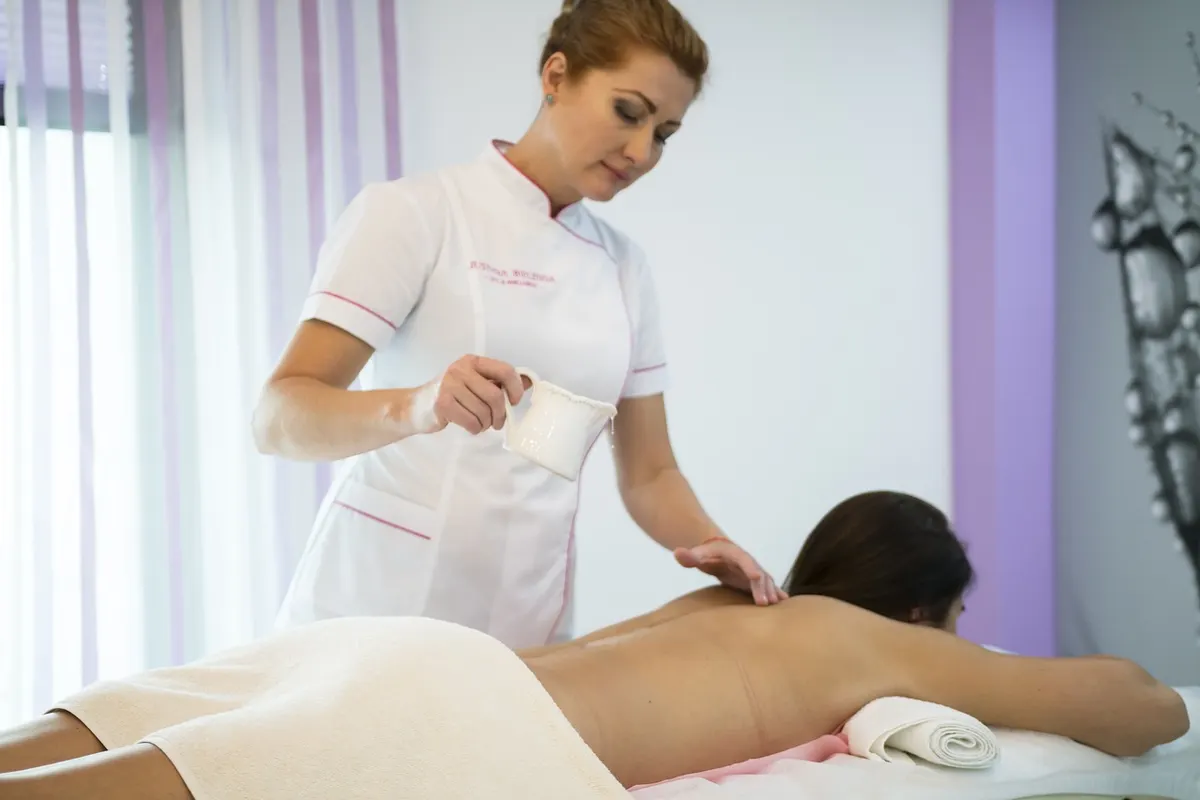
See clients privately in a rented room at a wellness center or shared studio, offering non-medical treatments like reiki or reflexology.
- $1.5k-6k
- Side hustle
- Own premises
- Licence or permit needed
Estimates for a small start in the US, not guarantees.
What it is
One-to-one sessions in a calm treatment room you rent by the hour, day or month, inside a wellness center, salon suite or shared therapy studio. You choose a modality you are trained in, such as reiki, reflexology, aromatherapy or hot stone work, and keep to wellness support rather than medical claims.
Your first three steps
- Check with your state licensing board and your city or county which of your chosen treatments need a license or certification
- Visit two or three local wellness centers or salon suites and compare room rental terms by the hour, day or month
- Set up a simple booking page, get professional and general liability insurance, and offer discounted first sessions to build reviews
Who pays
Adults looking for relaxation, stress relief and general wellbeing, who pay out of pocket. Some pay through employer wellness perks or gift certificates.
How it makes money
A fee per session, often 45 to 90 minutes, plus packages of several sessions and gift certificates. You can add retail extras such as oils or teas if local rules allow.
Skills that help
- Recognized training in your chosen modality
- Calm, professional manner with clients
- Basic bookkeeping and scheduling
- Clear boundaries about what you can and cannot treat
Watch out for
- Massage, bodywork and acupuncture are licensed in many states, check what your treatments count as locally
- Do not claim to diagnose, treat or cure medical conditions, keep your wording about wellness and relaxation
- Professional and general liability insurance, often available through therapy associations
- Local business license and sales tax rules if you sell products, check with your city, county and state
- Room rent is a fixed cost, so start with flexible hourly or day rates
🔒 Full research report for US
Real cost breakdown with current prices, licences and registration checklist, local competition, pricing, break-even and a 30-day launch plan, with sources.
Coming soonQuestions people ask
How much does it cost to start a complementary therapy practice?
Startup costs are typically around $1,500 to $6,000, depending on your training, equipment and room rental. Room rent is a fixed cost, so starting with flexible hourly or day rates may help. These figures are estimates, not guarantees.
How much can a rented-room therapy practice earn?
Monthly revenue is typically around $1,000 to $5,000, depending on how many sessions you book and the rates you charge. This is revenue before room rent and other costs. Plan for at least about 12 hours a week.
What rules should I check before offering complementary therapy?
Massage, bodywork and acupuncture are licensed in many states, so check what your treatments count as locally. Avoid claiming to diagnose, treat or cure medical conditions. Also check professional liability insurance and local business license and sales tax rules if you sell products.
Other ways to run this business

Mobile complementary therapist
Bring relaxing, non-medical treatments to clients' homes, offices and events with a portable table and kit.
- $1k-4k
- Side hustle
- Out and about

Online wellness sessions and guidance
Offer video sessions in hands-off practices like guided relaxation, breathwork or aromatherapy advice from home.
- $300-1.5k
- Side hustle
- Online
Similar health and wellness ideas

Online daily living aids store
Sell grab bars, reachers, walking aids and other daily living products online to disabled people and carers.
- $1k-6k
- Side hustle
- Online

Local wheelchair rental with delivery
Rent wheelchairs and transport chairs by the day or week, delivered to homes, hospitals and rehab centers near you.
- $1.5k-6k
- Side hustle
- Out and about

Online homeopathic consultant
Offer one-to-one homeopathic consultations by video call or from a home office, with follow-ups.
- $1.2k-6k
- Side hustle
- Online

Local nutrition practice in a rented room
See clients face to face in a rented office, and partner with gyms and clinics nearby.
- $1k-6k
- Part-time
- Own premises
Gestalt therapy office practice
Rent a therapy room and see gestalt clients in person, growing from a few sessions a week to a fuller caseload.
- $1.5k-6k
- Part-time
- Own premises
Thai massage in a rented treatment room
Rent a room in a wellness center or shared suite and see Thai massage clients by appointment.
- $1.5k-6k
- Part-time
- Own premises
Photo: spabielenda on Pixabay