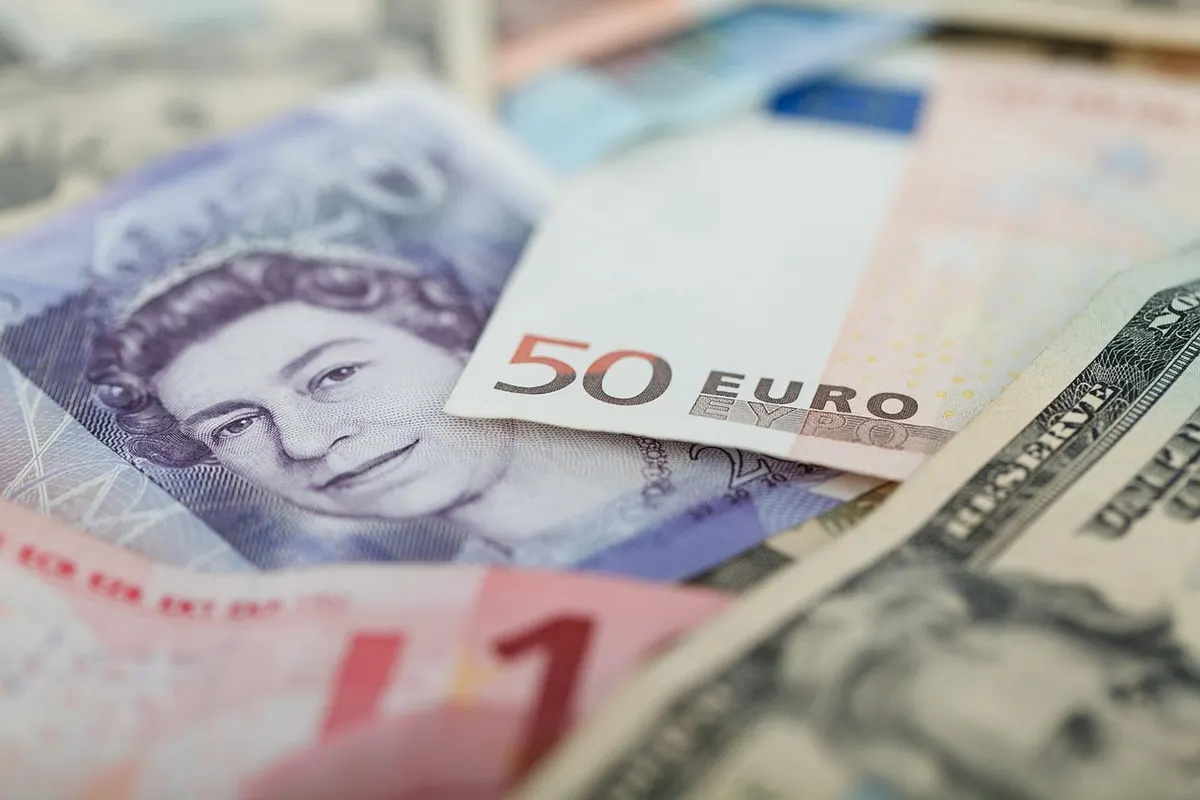
Small storefront currency exchange
Run a licensed counter that swaps foreign cash for dollars (and back) for travelers and local businesses.
- $25k-100k
- Full-time
- Own premises
- Licence or permit needed
Estimates for a small start in the US, not guarantees.
Official data
11,300 US businesses with employees in this field, -6.7% in a year
NAICS 522390 “Other activities related to credit intermediation”. Source: U.S. Census Bureau, County Business Patterns 2023.
What it is
A small shop or counter in a busy location, such as a tourist area, near a border or close to a transit hub, where customers buy and sell foreign banknotes. You buy currency from a wholesale supplier and sell it at a rate that includes your margin. This is a regulated money business with real set-up work, so treat it as a serious full-time venture.
Your first three steps
- Talk to a lawyer or compliance adviser who knows money services businesses and ask what your state and city require before you spend money on a lease
- Research wholesale banknote suppliers, compare their rates and minimums, and check candidate locations for foot traffic
- Write a business plan with your expected float, margins and daily volume, and price out insurance, a safe and security
Who pays
Tourists, international students, business travelers, immigrants sending or carrying cash, and small businesses that deal in foreign cash.
How it makes money
The spread between the rate you buy currency at and the rate you sell it at, plus small fixed fees on some transactions. You also need cash on hand to serve customers, so the working float is a large part of your cost.
Skills that help
- Careful with cash and numbers
- Spotting counterfeit notes
- Customer service
- Following compliance procedures
Watch out for
- Exchanging currency may make you a money services business (MSB). Check federal FinCEN registration and anti-money-laundering program rules with the IRS and FinCEN
- Check your state's licensing board, since many states require a license or registration for currency exchange and rules differ widely
- Customer ID, record keeping and reporting of large or suspicious cash transactions
- Check your city or county business license, zoning and lease terms for the location
- Robbery, counterfeit notes and exchange-rate swings can wipe out thin margins. Check what insurance, security and cash handling you need
- Banks may close accounts for cash-heavy businesses, so ask about banking access early
🔒 Full research report for US
Real cost breakdown with current prices, licences and registration checklist, local competition, pricing, break-even and a 30-day launch plan, with sources.
Coming soonQuestions people ask
How much does it cost to start a currency exchange?
Estimates suggest startup costs of typically around $25,000 to $100,000, depending on the location and lease, your starting stock of foreign cash, security, insurance and compliance set-up. It is a regulated business, so allow time and budget for set-up.
How much can a currency exchange storefront make?
Monthly revenue is typically around $3,000 to $15,000, depending on your location, foot traffic and the margin in your rates. Exchange-rate swings, counterfeit notes and robbery can affect thin margins, so check what protection you need.
What rules should I check before opening a currency exchange?
Exchanging currency may make you a money services business, so check federal FinCEN registration and anti-money-laundering rules with the IRS and FinCEN. Also check your state's licensing, customer ID and record keeping, city or county licensing and zoning, and banking access.
Similar business services ideas

Wholesale importer with a small warehouse
Import full container loads of a product line and supply retailers and businesses in your region.
- $20k-100k
- Full-time
- Own premises
Specialty paper exporter with a small warehouse
Hold stock of specialty paper in a small unit and ship mixed orders quickly to overseas printers and distributors.
- $20k-100k
- Full-time
- Own premises
Rental home investing through your own LLC
Buy one or two rental homes, rent them to tenants and build slowly while keeping your day job.
- $30k-100k
- Side hustle
- From home
Local laser equipment dealer with demo space
Run a small showroom or unit where local workshops can see lasers working, buy them and get setup and training.
- $25k-100k
- Full-time
- Own premises
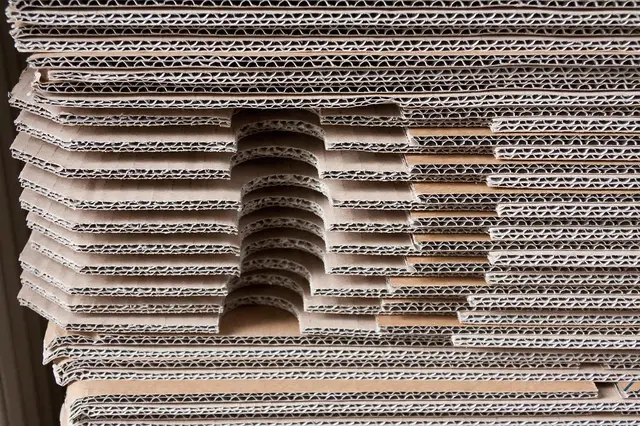
Local packaging supply store and delivery
Run a small warehouse-style shop that supplies local businesses with boxes, tape and shipping materials, with pickup or local delivery.
- $20k-100k
- Full-time
- Own premises
Small warehouse appliance distributor
Stock a small warehouse with major appliances and supply independent dealers, landlords and builders.
- $20k-100k
- Full-time
- Own premises
Photo: PublicDomainPictures on Pixabay