Residential electrician for home installs and upgrades
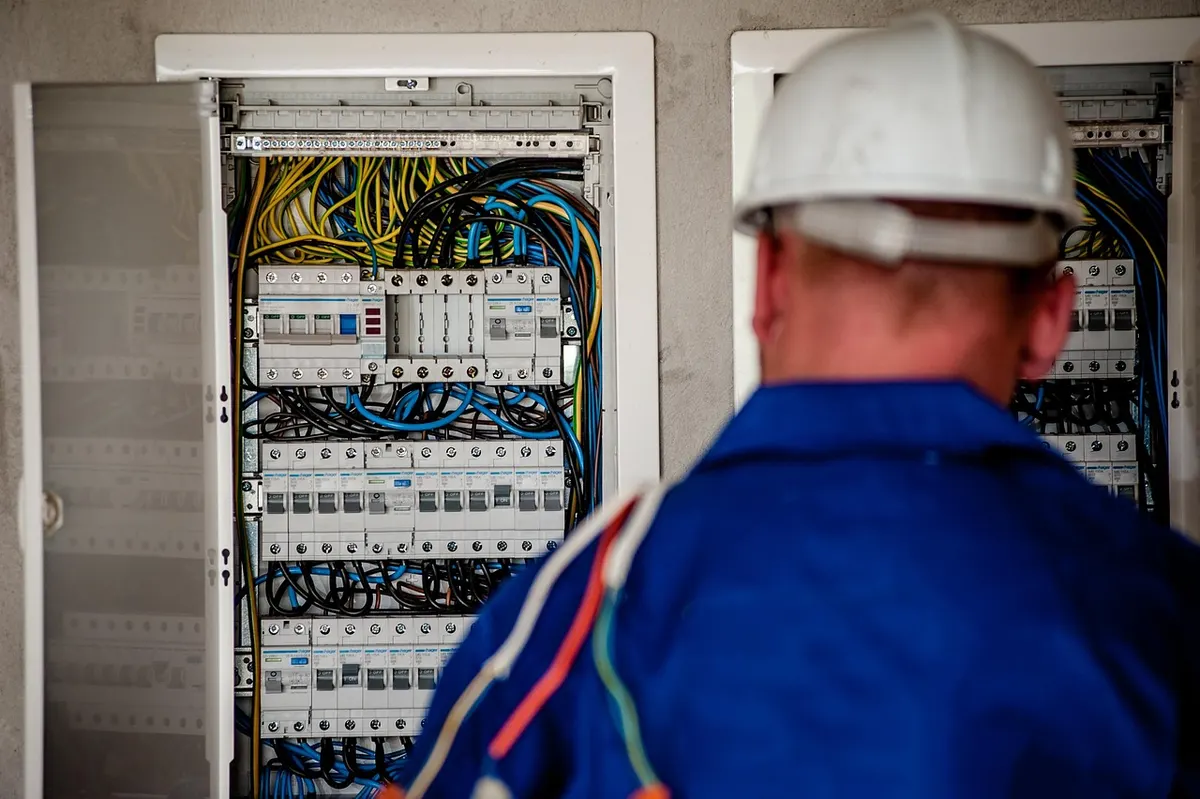
Install wiring, lighting, outlets and panel upgrades for homeowners as a licensed solo electrician.
- $5k-25k
- Part-time
- Out and about
- Licence or permit needed
Estimates for a small start in the US, not guarantees.
Official data
83,342 US businesses with employees in this field, +1.8% in a year
NAICS 238210 “Electrical contractors and other wiring installation contractors”. Source: U.S. Census Bureau, County Business Patterns 2023.
What it is
A one-person electrical business working in people's homes. Typical jobs include new circuits, lighting, ceiling fans, outlets, panel upgrades, EV charger installs and wiring for remodels.
Your first three steps
- Check your state and local licensing board for the license level you need to work for yourself, and what experience hours or exams it requires
- Get general liability insurance, then form an LLC and get an EIN
- Set up a basic quoting process and ask past employers, builders and neighbors for your first referrals
Who pays
Homeowners, landlords, real estate investors and remodeling contractors who need a licensed electrician.
How it makes money
Flat price per job for quoted work, or an hourly rate plus materials for smaller repairs and add-ons. Repeat customers and referrals fill your schedule.
Skills that help
- Licensed or qualified electrical trade experience
- Knowledge of the National Electrical Code and local amendments
- Clear quoting and customer communication
Watch out for
- State or local electrical contractor license: rules differ a lot, and unlicensed electrical work can bring fines
- Permits and inspections for most installs: check with your city or county building department
- General liability insurance, a contractor bond if your state asks for one, and workers' compensation once you hire
- Safety risks from live electrical work, and the liability if work fails an inspection or causes damage
- Vehicle and tool costs, and whether your insurance covers your van and equipment
🔒 Full research report for US
Real cost breakdown with current prices, licences and registration checklist, local competition, pricing, break-even and a 30-day launch plan, with sources.
Coming soonQuestions people ask
How much does it cost to start a residential electrician business?
Startup costs are typically around $5,000 to $25,000, depending on your vehicle, tools and insurance. These are estimates only, so price out your own van, equipment and cover before you commit.
How much can a solo residential electrician earn?
Monthly revenue is typically around $4,000 to $20,000, depending on the mix of jobs you take, the hours you work and the rates you charge. These are estimates, and revenue is not the same as profit.
What licenses and rules do I need to check?
Check your state or local electrical contractor license rules, since they differ a lot and unlicensed work can bring fines. Also check permit and inspection requirements with your city or county, plus insurance, any bond your state asks for, and workers' compensation if you hire.
Other ways to run this business

Similar trades ideas

Subcontract bricklayer for builders
Lay brick for new homes, extensions and commercial jobs as a subcontractor to general contractors.
- $5k-25k
- Full-time
- Out and about

Custom gazebo and pergola builder
Design and build custom wood gazebos and pergolas, prefabricated in your shop and finished on site.
- $5k-25k
- Part-time
- Own premises

Home remodeling contractor
Manage kitchen, bath and room renovations for local homeowners, hiring trade subcontractors.
- $6k-25k
- Part-time
- Out and about

Mobile scale sales, repair and calibration
Sell, service and calibrate commercial scales at shops, labs and warehouses in your area.
- $5k-25k
- Part-time
- Out and about

Ductless mini-split installer
Specialize in fitting ductless heat pumps and AC units in homes without ductwork.
- $5k-25k
- Part-time
- Out and about

Mobile aluminum welding and repair
Drive to boat owners, farms and small shops to repair and fabricate aluminum parts on site.
- $5k-25k
- Part-time
- Out and about
Photo: jarmoluk on Pixabay