Neighborhood electrical supply counter
Open a small store stocking wire, breakers, boxes and lighting for local electricians, contractors and homeowners.

- $60k-250k
- Full-time
- Own premises
- Licence or permit needed
Estimates for a small start in the US, not guarantees.
Official data
13,379 US businesses with employees in this field, -0.6% in a year
NAICS 423610 “Electrical apparatus and equipment, wiring supplies, and related equipment merchant wholesalers”. Source: U.S. Census Bureau, County Business Patterns 2023.
What it is
A small shop or trade counter in a unit or light-industrial space, stocking everyday electrical items like cable, boxes, breakers, switches, outlets, fittings and lighting, plus fast special orders from larger distributors.
Your first three steps
- Talk to local electricians about what they can't get quickly and which products they buy most, and check which distributors or buying groups would sell to a small store
- Price out a small unit near contractor traffic, with a basic stock list and shelving, and write a budget for the first inventory order
- Register your business (LLC or sole proprietorship), get an EIN and ask your state about a resale certificate and sales tax registration
Who pays
Local electricians, handymen, remodelers and small contractors who need parts the same day, plus homeowners and landlords doing repairs.
How it makes money
You buy at wholesale and sell at a markup. Repeat contractor accounts, quick availability and good advice bring in steady sales, and special orders add extra margin.
Skills that help
- Knowing electrical products and what fits what
- Stock control and ordering
- Building relationships with local contractors
Watch out for
- Inventory ties up a lot of cash, so start with fast-moving items and check payment terms with suppliers
- Big chains and large distributors compete on price, so check your local market before signing a lease
- You will likely need a city or county business license, a zoning check or certificate of occupancy for the premises, and a state sales tax permit before trading. Check the exact requirements with your city, county and state
- General liability and property insurance, and check product liability cover for items you sell
- Sell only listed or certified products (such as UL-listed) and check any local code requirements
Deep research report · US
Everything you need to start: neighborhood electrical supply counter
Researched with live web search for United States: real startup prices, the licences and rules, what others charge, a break-even example, how to find your first customers and a 30-day launch plan. With sources.
- Startup costs with real prices
- Licences, registration and rules
- Pricing: what others charge
- Break-even example
- Finding your first customers
- 30-day launch plan
- Risks and how to reduce them
Questions people ask
How much does it cost to start an electrical supply store?
Estimates are typically around $60,000 to $250,000, depending on your premises and stock. Inventory ties up a lot of cash, so consider starting with fast-moving items and checking payment terms with suppliers.
What licenses and permits might I need to open an electrical supply counter?
You will likely need a city or county business license, a zoning check or certificate of occupancy for the premises, and a state sales tax permit before trading. Check the exact requirements with your city, county and state, plus insurance and product listing rules.
How much can an electrical supply store earn?
Monthly revenue is typically estimated around $15,000 to $75,000, depending on location, stock range and how many local contractors you win. Big chains compete on price, so check your local market before signing a lease.
Other ways to run this business
Similar retail ideas
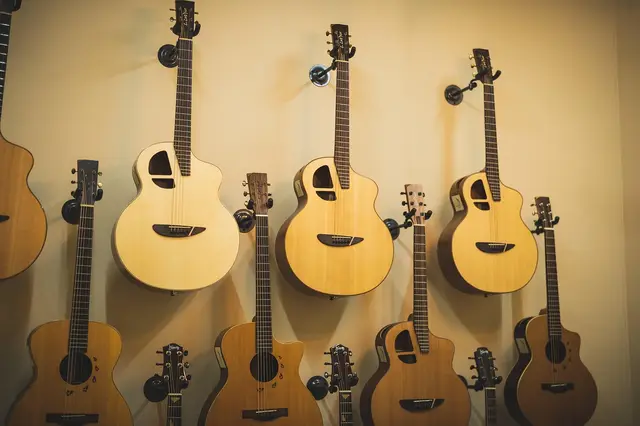
Neighborhood music instrument shop
Open a small shop selling guitars, band instruments, accessories and sheet music to local players, students and parents.
- $60k-250k
- Full-time
- Own premises

Local gun and hunting shop
Open a small storefront selling firearms, ammo and gear to hunters and shooters, with a licensed counter.
- $60k-250k
- Full-time
- Own premises
Local building supply yard for contractors
Open a small supply yard stocking lumber, fasteners and basics for local contractors and DIYers.
- $50k-250k
- Full-time
- Own premises

Sheepskin and wool wholesale warehouse
Run a small stocked unit that supplies sheepskin and wool goods to retailers, designers and online sellers across the country.
- $60k-250k
- Full-time
- Own premises
Local insulation supply store
Stock batts, foam board, rolls and sealants for contractors and DIYers in a small storefront or warehouse unit.
- $60k-250k
- Full-time
- Own premises
Neighborhood Chinese grocery store
Open a small store with Chinese pantry staples, fresh produce and household goods for your local community.
- $60k-250k
- Full-time
- Own premises