Solo residential electrician
Fix, upgrade and install electrical systems for homeowners and landlords in your area as a licensed one-person business.

- $5k-25k
- Part-time
- Out and about
- Licence or permit needed
Estimates for a small start in the US, not guarantees.
Official data
83,342 US businesses with employees in this field, +1.8% in a year
NAICS 238210 “Electrical contractors and other wiring installation contractors”. Source: U.S. Census Bureau, County Business Patterns 2023.
What it is
A one-person electrical service business doing repairs and small installs in homes: outlets, switches, lighting, ceiling fans, panel upgrades, EV charger hookups and troubleshooting. You travel to each job in your own truck or van.
Your first three steps
- Check your state or city licensing board for the license you need to work for yourself, and what experience hours or exams it requires
- Form an LLC or register as a sole proprietor, get an EIN, and quote for general liability insurance and a contractor bond if required
- Set up a Google Business Profile and ask local property managers and handymen if they need an electrician they can call
Who pays
Homeowners, landlords, property managers and real estate agents needing repairs or fixes before a sale.
How it makes money
Hourly rate or flat-rate pricing per job, plus a service call fee and markup on materials. Repeat landlord and property manager work helps fill the schedule.
Skills that help
- Licensed or qualified to work as an electrician
- Diagnosing faults safely
- Clear quoting and customer service
- Knowledge of the National Electrical Code and local amendments
Watch out for
- Most states or localities require a license to take on electrical work for the public, and working unlicensed can bring fines. Check your state's rules
- Permit and inspection rules vary by city and county, check when a permit is needed
- General liability insurance, and workers' compensation once you hire anyone
- Safety risks from live work, follow lockout and safety practices
- Cash flow on materials, consider a supplier account with terms
Deep research report · US
Everything you need to start: solo residential electrician
Researched with live web search for United States: real startup prices, the licences and rules, what others charge, a break-even example, how to find your first customers and a 30-day launch plan. With sources.
- Startup costs with real prices
- Licences, registration and rules
- Pricing: what others charge
- Break-even example
- Finding your first customers
- 30-day launch plan
- Risks and how to reduce them
Questions people ask
How much does it cost to start an electrician business?
Startup costs are estimates, typically around $5,000 to $25,000, depending on your vehicle, tools, insurance and supplier setup. Cash flow on materials matters, so consider a supplier account with terms.
Do I need a license to start an electrician business in the US?
Most states or localities require a license to take on electrical work for the public, and working unlicensed can bring fines, so check your state's rules. Also check when permits and inspections are needed in your city or county, and which insurance you need.
How much can a solo residential electrician earn?
Monthly revenue is typically around $4,000 to $20,000, depending on how many hours you work, the jobs you take and your local area. That is an estimate of revenue before materials and costs, assuming at least about 25 hours a week.
Similar trades ideas

Subcontract bricklayer for builders
Lay brick for new homes, extensions and commercial jobs as a subcontractor to general contractors.
- $5k-25k
- Full-time
- Out and about

Custom gazebo and pergola builder
Design and build custom wood gazebos and pergolas, prefabricated in your shop and finished on site.
- $5k-25k
- Part-time
- Own premises

Home remodeling contractor
Manage kitchen, bath and room renovations for local homeowners, hiring trade subcontractors.
- $6k-25k
- Part-time
- Out and about
Mobile scale sales, repair and calibration
Sell, service and calibrate commercial scales at shops, labs and warehouses in your area.
- $5k-25k
- Part-time
- Out and about
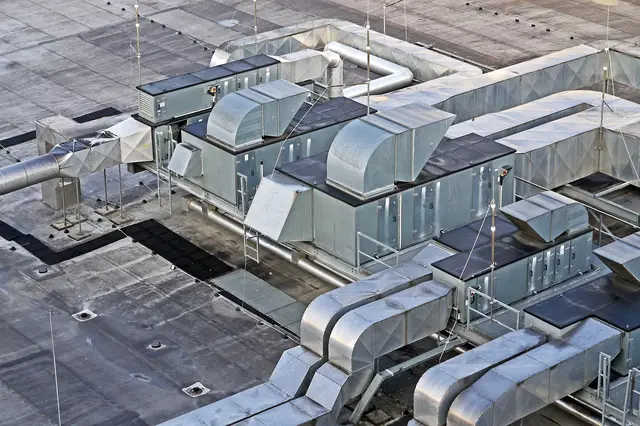
Ductless mini-split installer
Specialize in fitting ductless heat pumps and AC units in homes without ductwork.
- $5k-25k
- Part-time
- Out and about
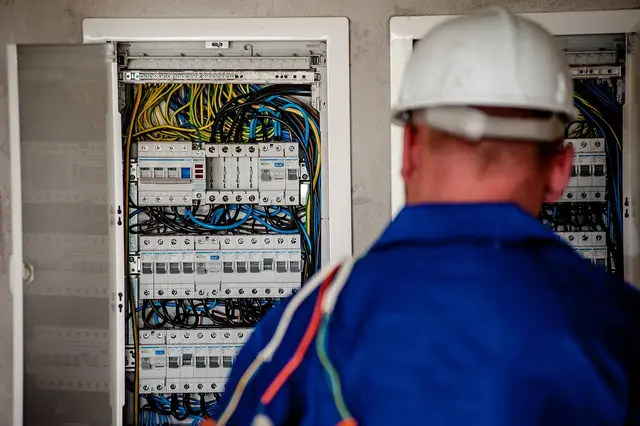
Residential electrician for home installs and upgrades
Install wiring, lighting, outlets and panel upgrades for homeowners as a licensed solo electrician.
- $5k-25k
- Part-time
- Out and about