Small electronics distributor with a warehouse unit
Stock a rented unit with consumer electronics and supply regional retailers on regular orders.
- $25k-100k
- Full-time
- Own premises
- Licence or permit needed
Estimates for a small start in the US, not guarantees.
Official data
2,514 US businesses with employees in this field, -1.3% in a year
NAICS 423620 “Household appliances, electric housewares, and consumer electronics merchant wholesalers”. Source: U.S. Census Bureau, County Business Patterns 2023.
What it is
A full-time distribution business from a small rented warehouse or flex space. You buy consumer electronics (for example TV accessories, smart home devices or audio gear) from manufacturers, importers or authorized distributors, hold stock, and fill regular orders for retailers in your region.
Your first three steps
- Pick a product category and apply for dealer or distributor accounts with a few brands, asking about their minimum order and territory rules
- Form an LLC, get an EIN, register for a resale certificate with your state, and get quotes for a small warehouse unit and insurance
- Check with your city or county about the local business license, zoning and fire code approvals your warehouse needs before you open
Who pays
Independent electronics and appliance stores, regional chains, office suppliers, schools and installers, and online retailers.
How it makes money
You earn the margin between your buying price and your wholesale price, often with volume discounts and payment terms for regular accounts. Faster stock turnover and good supplier pricing matter most.
Skills that help
- Supplier negotiation
- Business-to-business sales
- Inventory and logistics
- Managing credit and invoicing
Watch out for
- Many major brands only sell through authorized distributors, so you may need to start with smaller brands or buy from existing distributors
- Counterfeit and gray-market goods. Warranty and legal problems follow if you buy from unverified sources
- FCC rules, product safety standards and lithium battery shipping and storage rules. Check what applies to your products
- Property, general liability, product liability and cargo insurance, plus workers' compensation once you hire
- Late-paying customers when you offer terms, and large amounts of money tied up in stock
- A local business license, a state resale certificate, and zoning and fire code approval for your warehouse are typically needed before you trade. Check with your city, county and state tax agency
Deep research report · US
Everything you need to start: small electronics distributor with a warehouse unit
Researched with live web search for United States: real startup prices, the licences and rules, what others charge, a break-even example, how to find your first customers and a 30-day launch plan. With sources.
- Startup costs with real prices
- Licences, registration and rules
- Pricing: what others charge
- Break-even example
- Finding your first customers
- 30-day launch plan
- Risks and how to reduce them
Questions people ask
How much does it cost to start an electronics distribution business?
Startup costs are typically around $25,000 to $100,000, depending on the warehouse unit, how much stock you buy and the brands you carry. These are estimates. Much of the money is tied up in inventory, so plan for slow-paying customers too.
How much can a small electronics distributor earn?
Monthly revenue is typically around $15,000 to $75,000, depending on the brands you can access, your customer base and how much stock you hold. These are estimates, and revenue is not profit once you pay for stock, rent and insurance.
What licenses and rules apply to an electronics distributor?
Check whether you need a local business license, a state resale certificate, and zoning and fire code approval for your warehouse. Also check FCC rules, product safety standards, lithium battery storage and shipping rules, and your insurance requirements.
Other ways to run this business
Similar retail ideas

Maternity clothing boutique storefront
Open a small local shop where expectant mothers can try on maternity and nursing clothes with friendly fitting advice.
- $25k-100k
- Full-time
- Own premises
Car accessories storefront
Open a small local shop selling mats, covers, lights and cleaning products to drivers and garages.
- $25k-100k
- Full-time
- Own premises
Local trading card shop with play space
Open a small store selling cards and supplies, with tables for game nights and tournaments.
- $25k-100k
- Full-time
- Own premises

Cane and rattan furniture showroom
Open a small showroom where people can see and sit on cane, wicker and rattan furniture before buying.
- $25k-100k
- Full-time
- Own premises

Perfume boutique with scent advice
Open a small fragrance shop where customers can smell, compare and get personal advice on scents.
- $25k-100k
- Full-time
- Own premises
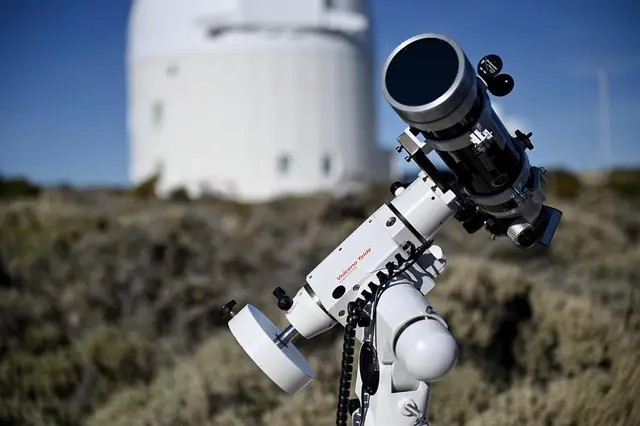
Local telescope and binocular shop
Open a small shop where people try telescopes, get advice and buy stargazing gear.
- $25k-100k
- Full-time
- Own premises