Small EV charging hub on a lot you control
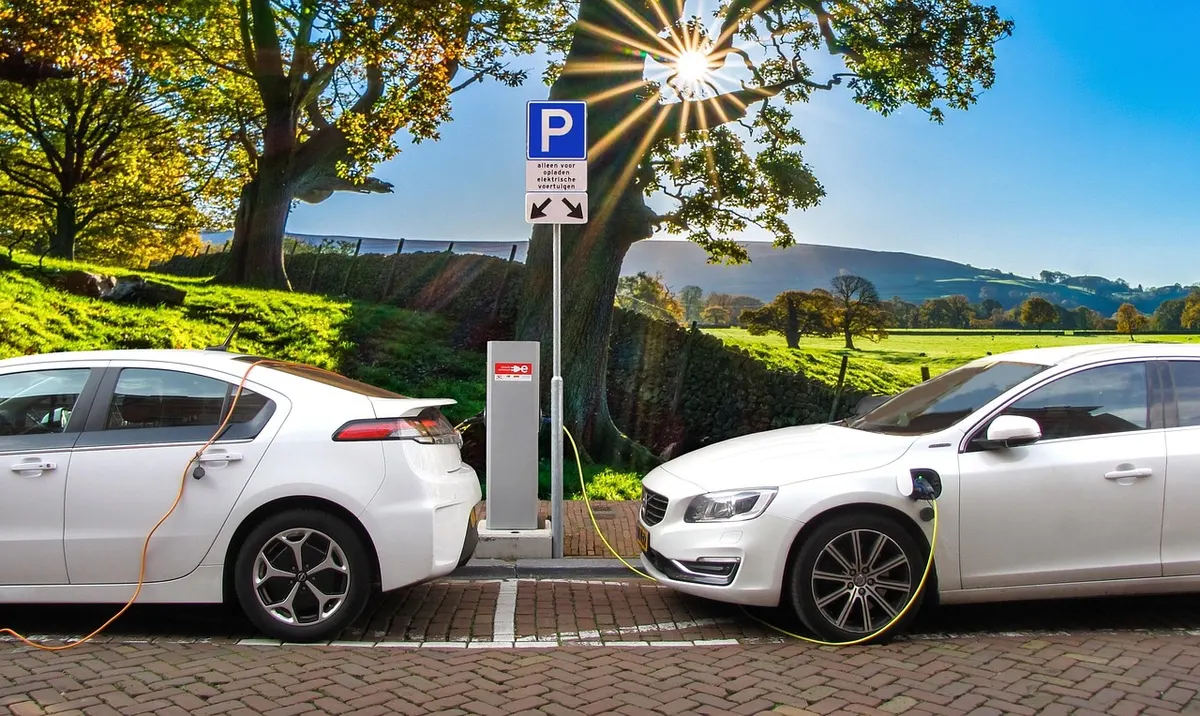
Run a small charging site on land or a lot you own or lease, with several chargers for drivers passing through or living nearby.
- $30k-150k
- Part-time
- Own premises
Estimates for a small start in the US, not guarantees.
Official data
13,172 US businesses with employees in this field, +3.2% in a year
NAICS 447190 “Other gasoline stations”. Source: U.S. Census Bureau, County Business Patterns 2023.
What it is
A dedicated small charging site with several Level 2 chargers and possibly one DC fast charger, on property you own or lease long term. You handle site design, installation, pricing, upkeep and customer support through network software.
Your first three steps
- Find a candidate lot near highways, apartments, shops or rideshare hotspots, and check zoning and parking rules with your city or county planning office
- Contact your electric utility early about available power capacity, upgrade costs, rates and any EV programs
- Get detailed quotes from licensed electrical contractors and charger vendors, and build a simple cash flow model before committing
Who pays
Local EV drivers without home charging, rideshare drivers, fleet vehicles and travelers stopping nearby pay per session or per kWh.
How it makes money
Charging fees minus electricity, lease or land costs, network fees and maintenance. Optional extras include small on-site vending, ads or fleet contracts.
Skills that help
- Project management and budgeting
- Comfort with contracts, permits and utility paperwork
- Basic technical troubleshooting
- Marketing to local drivers and fleets
Watch out for
- Zoning, site plan approval, permits and inspections vary by city and county, so check before buying or leasing
- Utility service upgrades can be costly and slow, and demand charges can make fast chargers expensive to run
- Check state rules on selling electricity, metering and pricing displays, and whether weights and measures requirements apply
- Look into current grants, tax credits and utility rebates, and read their conditions carefully because programs change
- Accessibility (ADA) requirements, lighting and safety for the site, so check local codes
- Insurance such as general liability and property coverage, plus a lender or lease that allows the use
- Utilization is uncertain, so test demand in your area before spending heavily
🔒 Full research report for US
Real cost breakdown with current prices, licences and registration checklist, local competition, pricing, break-even and a 30-day launch plan, with sources.
Coming soonQuestions people ask
How much does it cost to build a small EV charging hub?
Estimates typically run around $30,000 to $150,000, depending on the number and type of chargers, utility service upgrades and site work. Upgrades can be costly and slow, so check with your utility early.
How much can an EV charging hub earn?
Monthly revenue is typically estimated around $1,500 to $7,500, depending on how many drivers use the site, your pricing and your charger mix. Utilization is uncertain, so test local demand before spending heavily.
What permits and rules apply to an EV charging site?
Check zoning, site plan approval, permits and inspections with your city or county before buying or leasing. Also check state rules on selling electricity and metering, ADA accessibility, local safety codes, and the insurance you will need.
Other ways to run this business
Similar transport ideas

Owner-operator trucking business
Run your own semi truck and haul freight for shippers and brokers, paid per load or by contract.
- $40k-150k
- Full-time
- Out and about

Local moving company with a box truck and crew
Run full-service house moves with a box truck, a small crew and packing services in your area.
- $45k-130k
- Full-time
- Out and about
Local producer distribution with a box truck
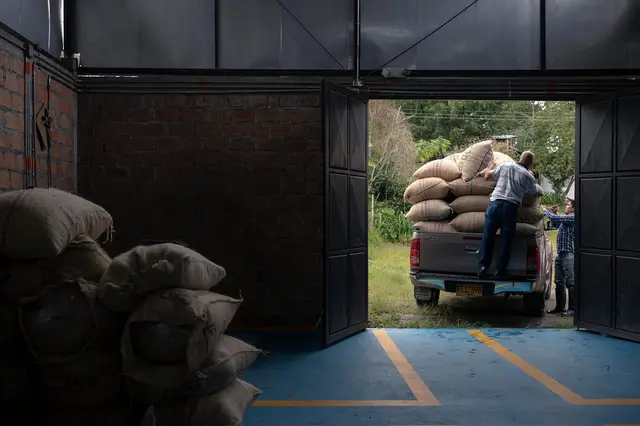
Collect products from local food and craft makers and deliver them to shops, cafes and restaurants on regular routes.
- $45k-120k
- Full-time
- Out and about

Motorcycle rental shop in a riding area
Rent a small fleet of motorcycles by the day or week from a small unit near tourist or scenic riding routes.
- $25k-120k
- Full-time
- Own premises

Horse trailer dealership lot
Run a small sales lot selling used, and possibly new, horse trailers to riders, ranchers and horse businesses.
- $30k-120k
- Full-time
- Own premises
Roll-off dumpster rental
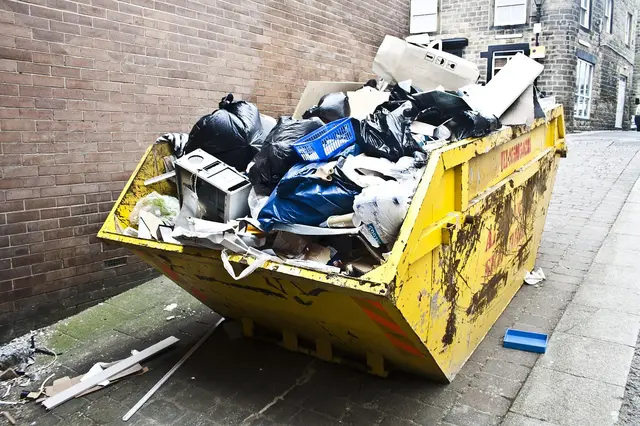
Rent 10 to 30 yard dumpsters to homeowners and contractors, delivering and hauling them with your own roll-off truck.
- $40k-120k
- Part-time
- Out and about
Photo: Joenomias on Pixabay