Level 2 EV chargers at local business lots
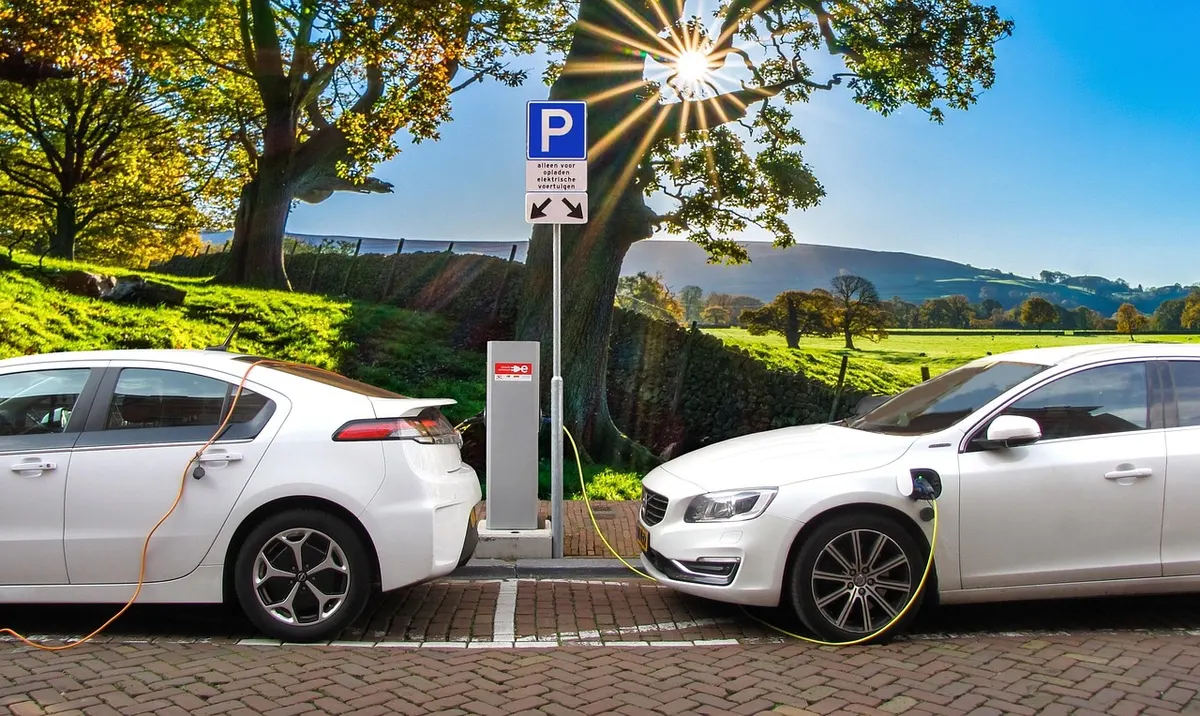
Install a few paid EV chargers at a host's lot, such as a shop, gym or apartment building, and share the income.
- $12k-45k
- Side hustle
- Out and about
Estimates for a small start in the US, not guarantees.
Official data
13,172 US businesses with employees in this field, +3.2% in a year
NAICS 447190 “Other gasoline stations”. Source: U.S. Census Bureau, County Business Patterns 2023.
What it is
You own and run a small number of Level 2 chargers placed in someone else's parking lot, under an agreement with the property owner. A network provider handles payments and monitoring through software, so most of the work is setup, host relations and occasional fixes.
Your first three steps
- Scout 5 to 10 local sites (retail strips, gyms, apartment buildings, small hotels) and note which ones have electrical capacity and EV drivers nearby
- Get quotes from a licensed electrician and from 2 or 3 charger network providers, and check your utility's EV rates and rebates
- Pitch one host with a simple written proposal covering who pays for installation, who pays for power and how revenue is split
Who pays
Electric vehicle drivers pay per kWh, per hour or per session. Hosts may also take a share or a lease fee because chargers bring customers or tenants to their site.
How it makes money
Session fees from drivers minus electricity, network software fees, any host share and maintenance. Income grows with more ports and with sites that have steady parking turnover.
Skills that help
- Negotiating with property owners
- Basic understanding of electricity costs and charger types
- Organized with contracts and vendors
- Customer service for driver issues
Watch out for
- Installation must be done by a licensed electrician, and your city or county will likely require permits and inspection, so check locally
- Some states regulate how electricity can be sold to drivers (per kWh vs per hour) and may require certified meters, so check your state's rules
- Utility demand charges and rates can eat into margins, so compare rate plans before signing a site
- Check available federal, state and utility incentives and their current conditions, as they change and often have eligibility rules
- General liability insurance and a clear contract covering damage, downtime and removal if the host sells the property
- Chargers can be vandalized or break down, so plan for maintenance and a warranty
Deep research report · US
Everything you need to start: level 2 chargers at local business parking lots
Researched with live web search for United States: real startup prices, the licences and rules, what others charge, a break-even example, how to find your first customers and a 30-day launch plan. With sources.
- Startup costs with real prices
- Licences, registration and rules
- Pricing: what others charge
- Break-even example
- Finding your first customers
- 30-day launch plan
- Risks and how to reduce them
Questions people ask
How much does it cost to install EV chargers at a host site?
Estimates typically run around $12,000 to $45,000, depending on the number of chargers, installation work and your host agreement. Check available incentives and their current conditions, as they change and have eligibility rules.
How much can host-site EV chargers earn?
Monthly revenue is typically estimated around $300 to $1,500, depending on how many chargers you run, how busy the site is, your pricing and any share paid to the host. Utility rates can affect margins.
What permits and rules apply to EV charger installation?
Installation must be done by a licensed electrician, and your city or county will likely require permits and inspection, so check locally. Also check your state's rules on selling electricity to drivers, including per kWh versus per hour pricing and certified meters.
Other ways to run this business
Similar transport ideas

Cargo van delivery service for local businesses
Run regular deliveries in your own cargo van for wholesalers, retailers and suppliers across your region.
- $12k-45k
- Full-time
- Out and about

One-van rental side business
Start with one or two vans rented out by the day to local people and tradespeople, booked online with easy handovers.
- $15k-45k
- Side hustle
- From home

Bulk landscape material delivery
Buy soil, mulch and gravel from local quarries and yards, then deliver it to homeowners and landscapers by dump truck.
- $8k-40k
- Part-time
- Out and about

Online used boat reseller and consignment
Buy small used boats or sell them on consignment, list them online and show them to buyers at the owner's dock or storage.
- $12k-50k
- Side hustle
- Out and about

Small storage and shipping hub
Rent a small unit to store, pack and ship goods for online sellers and local makers.
- $8k-40k
- Full-time
- Own premises

Wedding guest shuttle service
Move wedding guests between hotels, venues and parties in a van or small bus on the big day.
- $8k-40k
- Part-time
- Out and about
Photo: Joenomias on Pixabay