Small-job excavating with rented equipment
Dig trenches, footings and drainage for homeowners and builders, renting a mini excavator per job instead of buying one.
- $3k-12k
- Part-time
- Out and about
- Licence or permit needed
Estimates for a small start in the US, not guarantees.
Official data
41,777 US businesses with employees in this field, +5.3% in a year
NAICS 238910 “Site preparation contractors”. Source: U.S. Census Bureau, County Business Patterns 2023.
What it is
Small excavation jobs such as utility trenches, drainage ditches, footings, pond or pad prep and backfilling. You rent a mini excavator or skid steer from a local rental yard when you win a job, so you don't tie up money in machinery.
Your first three steps
- Get hands-on training or work for an excavating company to build operating hours, and ask local rental yards what they require to rent to you
- Form an LLC, get an EIN and ask your state licensing board and county whether you need a contractor license for your job sizes
- Get a general liability quote that covers rented equipment, then offer quotes to local landscapers and builders
Who pays
Homeowners, landscapers, small builders, fence and deck contractors and property managers who need dirt moved but don't own equipment.
How it makes money
Quoted price per job or an hourly rate for you and the machine. Equipment rental, delivery and fuel are built into your price, plus a margin.
Skills that help
- Operating a mini excavator safely
- Reading site plans and grades
- Estimating jobs and pricing rentals into quotes
- Dealing with customers and inspectors
Watch out for
- Call 811 before every dig; hitting a buried utility line can be very costly and dangerous
- Trench safety: OSHA rules apply to deeper trenches, so check what protection you need
- Check your state's contractor license rules and dollar limits for unlicensed work
- Confirm your insurance covers damage to rented equipment and to customers' property
- Rental costs and weather delays can eat into small jobs, so price in idle days
- Septic, permits and inspections are regulated locally, so check with your county
Deep research report · US
Everything you need to start: small-job excavating with rented equipment
Researched with live web search for United States: real startup prices, the licences and rules, what others charge, a break-even example, how to find your first customers and a 30-day launch plan. With sources.
- Startup costs with real prices
- Licences, registration and rules
- Pricing: what others charge
- Break-even example
- Finding your first customers
- 30-day launch plan
- Risks and how to reduce them
Questions people ask
How much does it cost to start an excavating business with rented equipment?
Startup costs are typically around $3,000 to $12,000, depending on your insurance, tools and how you handle rental costs. These are estimates, and rental fees and idle days can change your real numbers.
How much can a small excavating business earn?
Monthly revenue is typically around $2,000 to $10,000, depending on how many jobs you win and how you price rentals into quotes. Weather delays and idle days can eat into small jobs, so it's worth pricing those in.
What rules apply to small excavating jobs?
Check these: calling 811 before every dig, OSHA trench safety rules, your state's contractor license rules and dollar limits for unlicensed work, whether your insurance covers rented equipment and customers' property, and local septic permits and inspections with your county.
Other ways to run this business
Similar trades ideas

Brick repair and repointing
Fix cracked brick, crumbling mortar joints and damaged chimneys for homeowners in your area.
- $3k-12k
- Part-time
- Out and about
Countertop installer for remodelers and homeowners
Measure and install laminate, butcher block and pre-cut stone countertops in kitchens and bathrooms.
- $3k-12k
- Part-time
- Out and about

Mobile school band instrument repair
Visit schools and music studios to repair band and orchestra instruments on site, then handle bigger jobs at your bench.
- $3k-12k
- Part-time
- Out and about
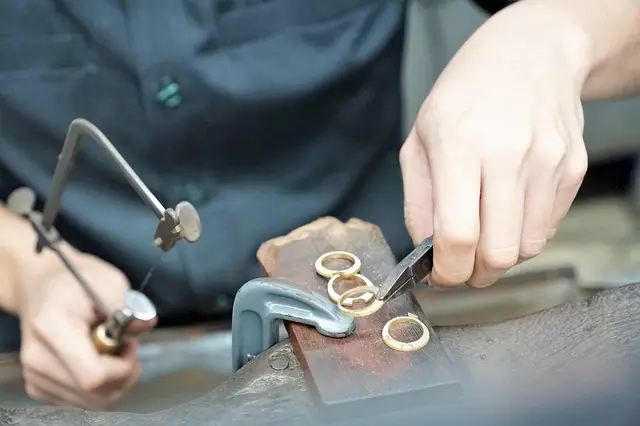
Home studio custom jewelry and repairs
Make custom gold and silver pieces and handle resizing and repairs from a small home workbench.
- $3k-12k
- Side hustle
- From home
Replacement window installer (subcontract)
Install double-pane windows and doors for window dealers and general contractors, with no showroom or sales needed.
- $3k-12k
- Part-time
- Out and about
Mobile locksmith for homes and businesses
Drive to customers to open locked doors, change locks and fit security hardware, paid per call-out or job.
- $3k-12k
- Part-time
- Out and about