Weekend barefoot trimming for local barns
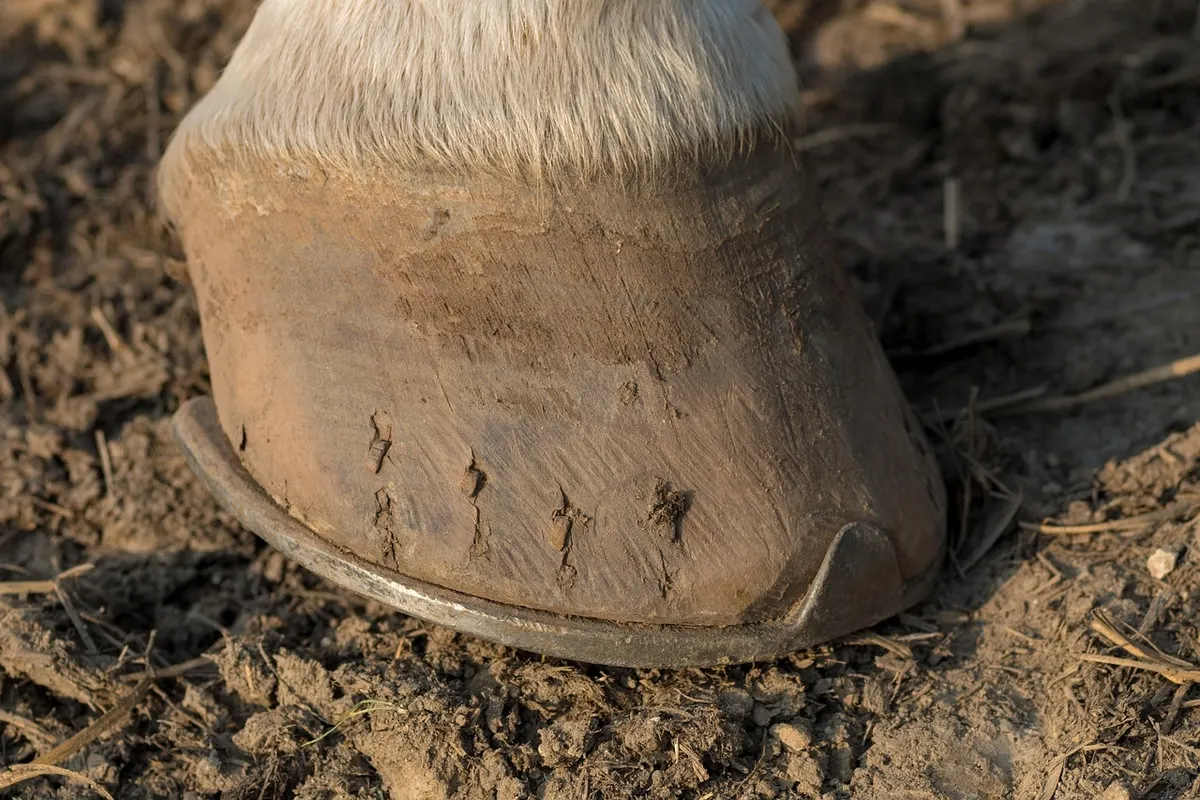
Trim barefoot horses at a few nearby barns on evenings and weekends.
- $800-4k
- Side hustle
- Out and about
Estimates for a small start in the US, not guarantees.
Official data
4,791 US businesses with employees in this field, -2.1% in a year
NAICS 115210 “Support activities for animal production”. Source: U.S. Census Bureau, County Business Patterns 2023.
What it is
A lighter version of farrier work focused on barefoot trims for pleasure horses, ponies and retired animals. You visit a small set of barns near you and schedule trims in blocks, which keeps travel and equipment needs low.
Your first three steps
- Complete a recognized barefoot or farrier trimming course and practice under an experienced professional
- Buy a basic trim kit (rasp, nippers, knife, hoof stand, apron) and carry it in your own vehicle
- Ask local barn owners and equine vets whether any horses need a trimmer, and book a few at a trial rate
Who pays
Pleasure riders, small boarding barns, hobby farms and owners of retired or pasture horses.
How it makes money
A flat fee per horse per trim, usually every 6 to 8 weeks. Grouping several horses at one barn per visit raises what you earn per hour.
Skills that help
- Calm, confident horse handling
- Good understanding of hoof anatomy and balance
- Physical fitness for long periods bent over
- Clear communication with owners
Watch out for
- General liability insurance, and check whether it covers care of other people's animals
- Rules on who may trim or shoe horses vary by state, so check with your state and county
- Injury risk from kicks and strain, so work with experienced handlers at first
- Owners with lameness issues may need a vet or full farrier, so know when to refer
- Income is limited by how many horses you can trim, and the work can be seasonal in cold regions
🔒 Full research report for US
Real cost breakdown with current prices, licences and registration checklist, local competition, pricing, break-even and a 30-day launch plan, with sources.
Coming soonQuestions people ask
How much does it cost to start barefoot horse trimming?
Startup costs are typically around $800 to $4,000, depending on your tools and setup. These are estimates. This lighter version keeps travel and equipment needs low by focusing on barefoot trims at a few nearby barns.
How much can I earn trimming barefoot horses part-time?
Monthly revenue is typically around $400 to $2,000, depending on how many horses you can trim. Income is limited by horse numbers, and the work can be seasonal in cold regions.
Do I need a license to trim horses' hooves?
Rules on who may trim or shoe horses vary by state, so check with your state and county. Also check that your general liability insurance covers care of other people's animals, and know when to refer lameness cases to a vet or full farrier.
Other ways to run this business

Similar farming and garden ideas

Small egg flock sold locally
Keep a flock of laying hens and sell fresh eggs to neighbors, coworkers and local shops.
- $800-4k
- Side hustle
- From home

Home orchid grower selling online and locally
Grow orchids in a small backyard greenhouse or grow room and sell to collectors, plant fans and local buyers.
- $1k-5k
- Side hustle
- From home
Small flock sheep shearer
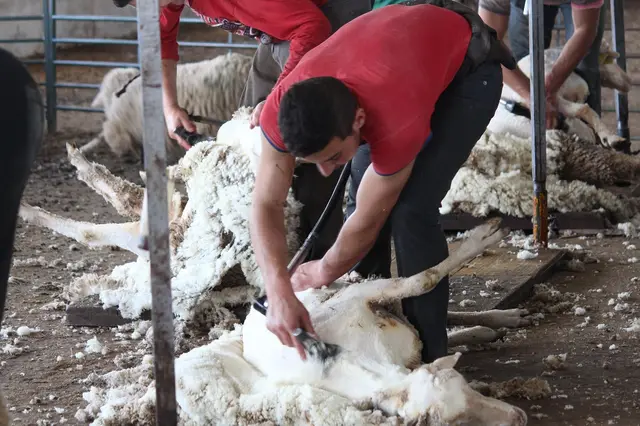
Shear sheep for hobby farms and small flocks near you, paid per animal, mostly in spring.
- $800-3k
- Side hustle
- Out and about

Backyard plant nursery
Grow perennials, shrubs and veggie starts at home and sell them locally and online.
- $500-3k
- Side hustle
- From home

Backyard beekeeping and local honey
Keep a few hives at home or on borrowed land and sell small-batch honey at markets and to neighbors.
- $800-3k
- Side hustle
- From home

Backyard hoop house plant grower
Grow seedlings, herbs or cut flowers in a small hoop house and sell at farmers markets or direct.
- $1k-5k
- Side hustle
- From home
Photo: Arcaion on Pixabay