Mobile farrier for local horse owners
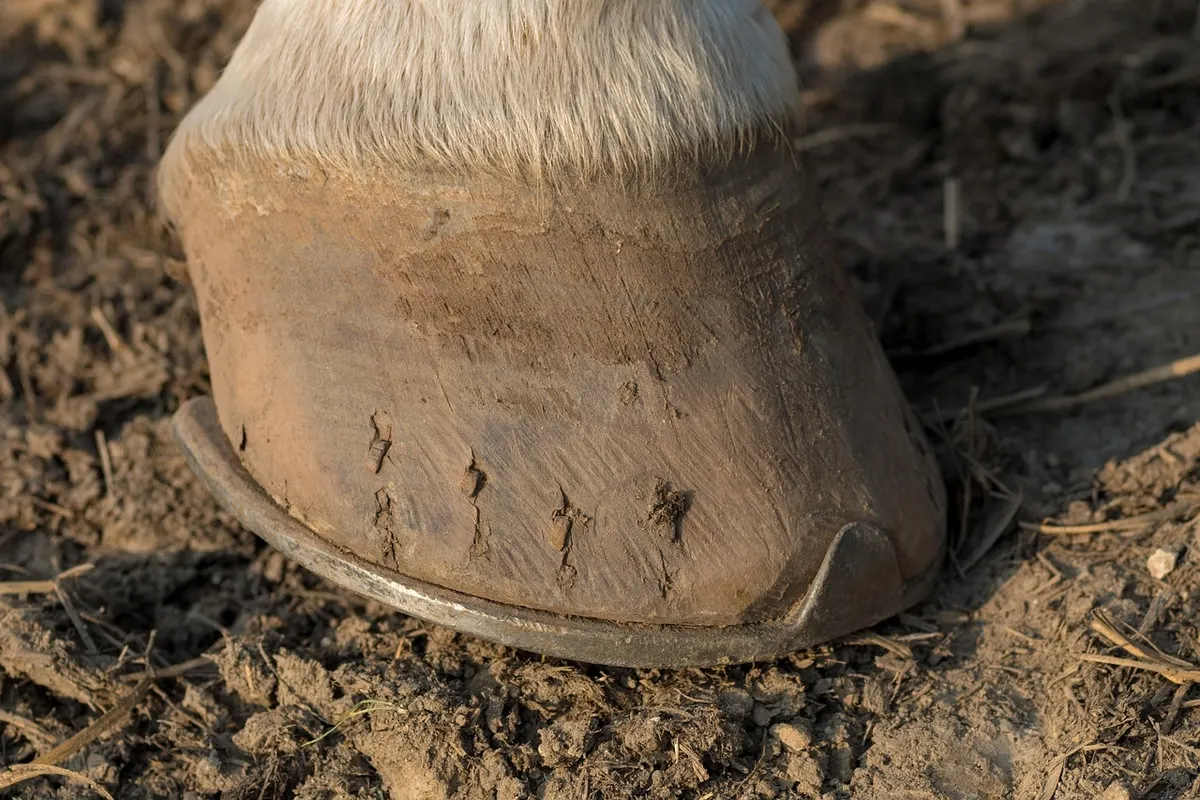
Drive to barns and backyards to trim and shoe horses on a regular schedule.
- $12k-50k
- Part-time
- Out and about
Estimates for a small start in the US, not guarantees.
Official data
4,791 US businesses with employees in this field, -2.1% in a year
NAICS 115210 “Support activities for animal production”. Source: U.S. Census Bureau, County Business Patterns 2023.
What it is
A mobile hoof care service. You travel to boarding barns, ranches and private properties to trim hooves, fit and nail on shoes, and handle basic corrective work. Most horses are seen every 6 to 8 weeks.
Your first three steps
- Enroll in a farrier school or find an experienced farrier to apprentice with, since hands-on training matters most
- Buy a starter kit (anvil, rasps, nippers, hoof knives, nail pullers, apron) and set up a truck or trailer with a portable forge or gas forge
- Introduce yourself to local barn managers and vets, and offer to take on a few horses to start your route
Who pays
Backyard horse owners, boarding barns, riding schools, trail riding outfits and competition riders.
How it makes money
A set price per horse for a trim or a shoeing, plus extras like corrective shoes, pads or travel fees. Repeat clients on a regular cycle make up most of the income.
Skills that help
- Comfortable handling horses of all temperaments
- Strong physical fitness and stamina
- Metalwork and forge skills
- Reliable scheduling and client communication
Watch out for
- General liability insurance, and ideally coverage for injury to horses in your care
- Check whether your state or county requires any business license or registration
- High risk of back, knee and kick injuries, so plan for health insurance and a manageable schedule
- Check sales tax rules in your state for parts and shoes you sell
- Income builds slowly at first, since clients tend to stay loyal to their current farrier
🔒 Full research report for US
Real cost breakdown with current prices, licences and registration checklist, local competition, pricing, break-even and a 30-day launch plan, with sources.
Coming soonQuestions people ask
How much does it cost to start a mobile farrier business?
Startup costs are typically around $12,000 to $50,000, depending on your equipment and setup. These are estimates, so get quotes for tools and any vehicle needs before you commit.
How much can a mobile farrier earn?
Monthly revenue is typically around $2,000 to $9,000, depending on how many horses you serve. Income builds slowly at first, since clients tend to stay loyal to their current farrier. Most horses are seen every 6 to 8 weeks.
What rules and insurance should I check as a farrier?
Check whether your state or county requires any business license or registration, and sales tax rules for parts and shoes you sell. Also check general liability insurance, ideally covering injury to horses in your care, and health insurance given injury risks.
Other ways to run this business

Similar farming and garden ideas

Market farm supplying restaurants and shops
Run a full-time small farm growing vegetables for local restaurants, grocers and wholesale buyers.
- $10k-50k
- Full-time
- Own premises

Hay and bedding yard with storage barn
Stock hay, straw and shavings in a barn or yard for walk-in sales and local delivery.
- $10k-50k
- Part-time
- Own premises

Honey farm with multiple bee yards
Run dozens of hives across several host sites and sell honey, wax and bee products to shops and online.
- $10k-50k
- Full-time
- Own premises
Small oyster farm
Grow oysters in cages or bags on leased coastal water and sell to restaurants and raw bars.
- $10k-50k
- Part-time
- Out and about

Local farm and garden seed store
Run a small store or warehouse selling bulk seed, cover crops and pasture mixes to local farmers and growers.
- $15k-60k
- Full-time
- Own premises

Small-acreage field vegetable grower
Grow field crops like sweet corn, potatoes or squash on a few acres and sell by the case or ton to buyers.
- $10k-60k
- Part-time
- Own premises
Photo: Arcaion on Pixabay