Hay and bedding yard with storage barn
Stock hay, straw and shavings in a barn or yard for walk-in sales and local delivery.
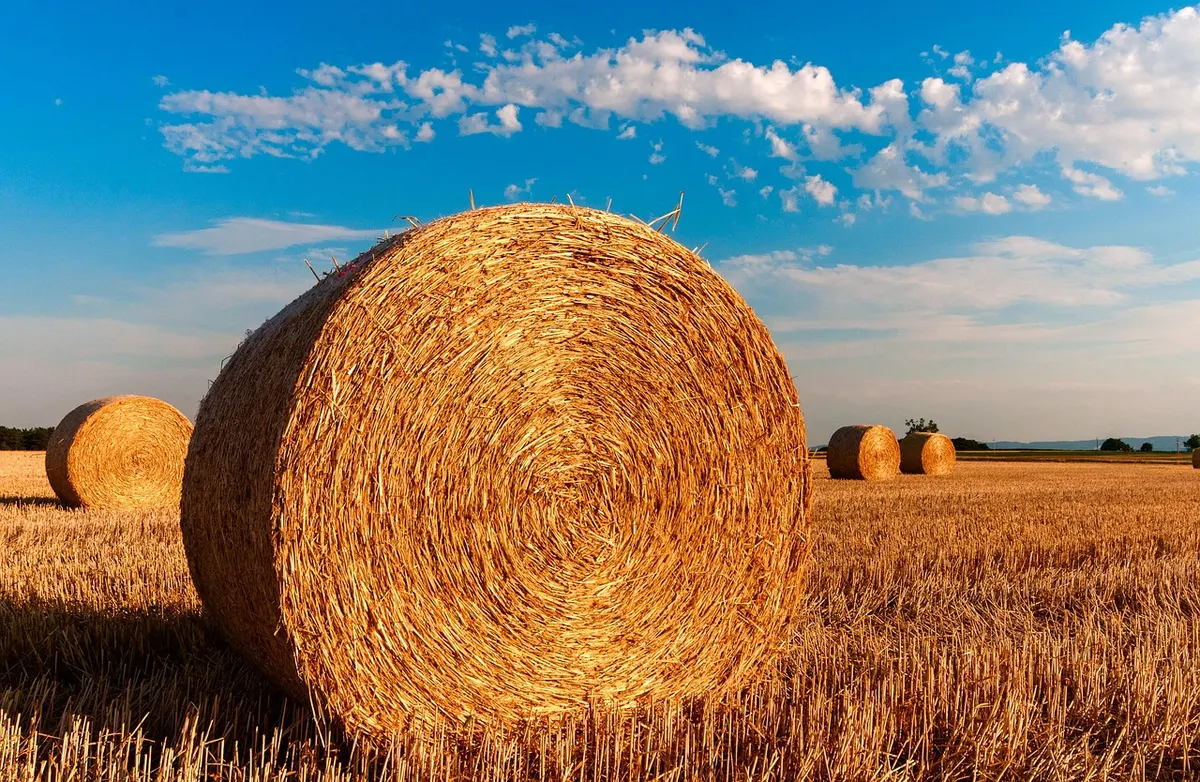
- $10k-50k
- Part-time
- Own premises
Estimates for a small start in the US, not guarantees.
Official data
9,322 US businesses with employees in this field, +3.1% in a year
NAICS 424910 “Farm supplies merchant wholesalers”. Source: U.S. Census Bureau, County Business Patterns 2023.
What it is
You rent or use land with a dry storage barn, buy hay in volume at harvest, and sell it year-round to local customers who collect or have it delivered. You can add bagged shavings, straw and pellets.
Your first three steps
- Find a dry barn or covered storage you can rent or use, and check the zoning rules for retail sales with your county
- Agree supply with two or three growers and test-buy a first load to check quality and price
- Set up your LLC, get insurance quotes and tell local stables and farm groups about your opening stock
Who pays
Equestrian centers, boarding stables, hobby farms, livestock keepers and pet owners with rabbits or small animals.
How it makes money
You buy in bulk at harvest prices and sell by the bale, ton or bag through the year, with delivery fees on top. Bedding products and regular contract customers add steadier income.
Skills that help
- Judging hay quality and storing it safely
- Handling heavy equipment such as a skid steer or tractor
- Cash flow planning around harvest buying
- Customer service and local networking
Watch out for
- Zoning and any permits for selling from agricultural or rural property, check with your county
- Property insurance and general liability, since stored hay is a fire risk and customers visit your site
- Check your state's rules for selling hay or feed and sales tax registration
- Upfront cash tied up in stock at harvest, and losses if hay gets wet or moldy
- Supply and price swings from drought or poor harvests
- Workers' compensation insurance once you hire help
Deep research report · US
Everything you need to start: hay and bedding yard with storage barn
Researched with live web search for United States: real startup prices, the licences and rules, what others charge, a break-even example, how to find your first customers and a 30-day launch plan. With sources.
- Startup costs with real prices
- Licences, registration and rules
- Pricing: what others charge
- Break-even example
- Finding your first customers
- 30-day launch plan
- Risks and how to reduce them
Questions people ask
How much does it cost to start a hay and bedding yard?
Startup costs are typically around $10,000 to $50,000, depending on the land and barn you rent or use, any equipment such as a tractor or skid steer, and how much hay you buy at harvest.
How much revenue can a hay and bedding yard make?
Estimated monthly revenue is typically around $4,000 to $20,000, depending on your customer base, stock levels and season. Upfront cash is tied up in harvest stock, and wet or moldy hay can cause losses.
What rules should I check before opening a hay yard?
Check county zoning and any permits for selling from agricultural or rural property, and your state's rules for selling hay or feed. Also check sales tax registration, property and general liability insurance, and workers' compensation once you hire help.
Other ways to run this business

Similar farming and garden ideas

Market farm supplying restaurants and shops
Run a full-time small farm growing vegetables for local restaurants, grocers and wholesale buyers.
- $10k-50k
- Full-time
- Own premises
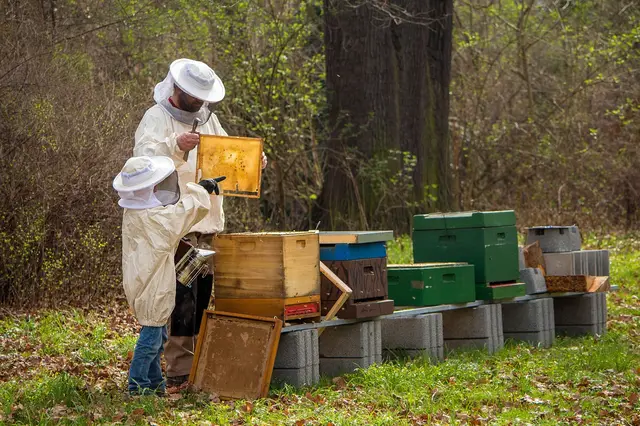
Honey farm with multiple bee yards
Run dozens of hives across several host sites and sell honey, wax and bee products to shops and online.
- $10k-50k
- Full-time
- Own premises
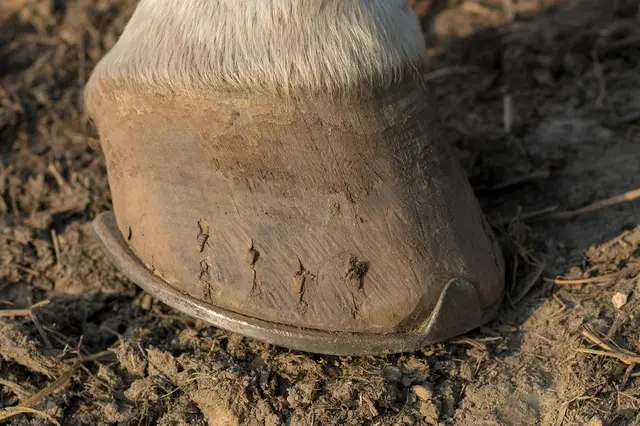
Mobile farrier for local horse owners
Drive to barns and backyards to trim and shoe horses on a regular schedule.
- $12k-50k
- Part-time
- Out and about
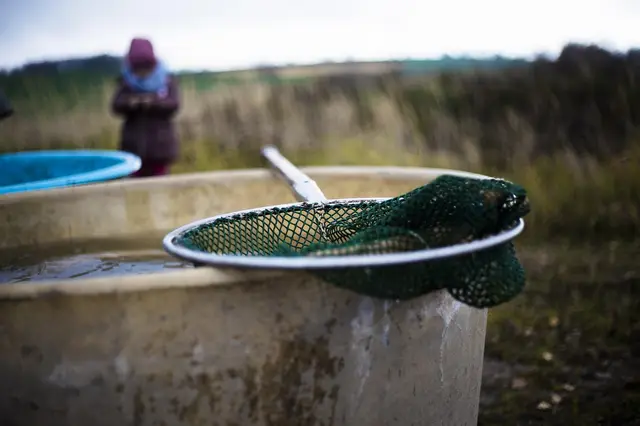
Small oyster farm
Grow oysters in cages or bags on leased coastal water and sell to restaurants and raw bars.
- $10k-50k
- Part-time
- Out and about

Local farm and garden seed store
Run a small store or warehouse selling bulk seed, cover crops and pasture mixes to local farmers and growers.
- $15k-60k
- Full-time
- Own premises

Small-acreage field vegetable grower
Grow field crops like sweet corn, potatoes or squash on a few acres and sell by the case or ton to buyers.
- $10k-60k
- Part-time
- Own premises
Photo: bogitw on Pixabay