Instrument repair storefront
Open a small shop that repairs many instrument types and partners with schools, teachers and music stores.

- $10k-40k
- Full-time
- Own premises
Estimates for a small start in the US, not guarantees.
What it is
A small retail-front repair shop with a proper workbench area, covering several instrument families. Customers can walk in for quotes, drop-offs and pickups, and you can add strings, reeds and accessories as a side line.
Your first three steps
- Work or train under an experienced repair tech to build speed and range before committing to a lease
- Research local rents and nearby competitors, and talk to band directors about how much repair work they would send you
- Form an LLC, get an EIN, and set up a simple job tracking and invoicing system
Who pays
Local musicians, students and parents, school band programs, churches and community groups, and nearby music stores that outsource repairs.
How it makes money
Labor charges and parts on repairs, plus small sales of strings, reeds, cork grease and other accessories. Adding a second technician can increase the number of jobs you handle.
Skills that help
- Experience across several instrument types
- Pricing jobs and managing turnaround times
- Customer service at the counter
- Managing rent, stock and cash flow
Watch out for
- Lease costs and commitment: negotiate terms carefully and check zoning for your location
- Check your city or county for a business license and your state for sales tax registration
- General liability, property insurance and coverage for customers' instruments in your care
- Workers' compensation insurance once you hire
- Repair demand can be seasonal and tied to the school year
Deep research report · US
Everything you need to start: instrument repair storefront
Researched with live web search for United States: real startup prices, the licences and rules, what others charge, a break-even example, how to find your first customers and a 30-day launch plan. With sources.
- Startup costs with real prices
- Licences, registration and rules
- Pricing: what others charge
- Break-even example
- Finding your first customers
- 30-day launch plan
- Risks and how to reduce them
Questions people ask
How much does it cost to open an instrument repair shop?
Startup costs are typically around $10,000 to $40,000, depending on your rent, fit-out, tools and parts stock. These are estimates, so negotiate lease terms carefully and get local quotes before you sign.
How much can an instrument repair shop earn?
Monthly revenue is typically around $3,000 to $12,000, depending on location, the instruments you cover and how many partners send you work. Demand can be seasonal and tied to the school year.
What rules and insurance should I check before opening a repair shop?
Check zoning and lease terms for your location, your city or county business license and state sales tax registration. Also check general liability, property insurance and coverage for customers' instruments, plus workers' compensation once you hire.
Other ways to run this business
Home workshop instrument repair
Fix and tune guitars, violins or band instruments from a bench at home for local players and schools.
- $1k-5k
- Side hustle
- From home
Mobile school band instrument repair
Visit schools and music studios to repair band and orchestra instruments on site, then handle bigger jobs at your bench.
- $3k-12k
- Part-time
- Out and about
Similar trades ideas
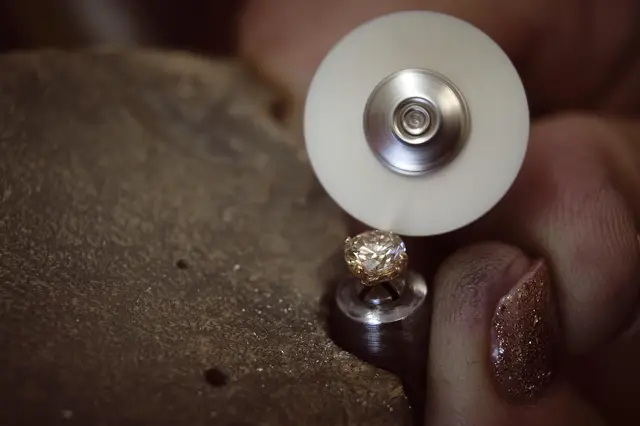
Lapidary studio with shop and classes
Run a small studio cutting stones for trade and retail customers, and teach beginner lapidary classes.
- $10k-40k
- Full-time
- Own premises
Drywall and plaster delivery supplier
Take orders from contractors, buy from a distributor and deliver drywall and plaster to job sites without a store.
- $8k-40k
- Part-time
- Out and about

Residential heating and AC repair service
Repair, tune up and replace furnaces and AC units for homeowners from your own van.
- $8k-40k
- Full-time
- Out and about
HVAC maintenance for landlords and small businesses
Keep heating and cooling running for rental properties and small commercial spaces on set service contracts.
- $10k-40k
- Full-time
- Out and about
Fiberglass repair workshop
Run a small shop where owners and businesses bring boats, trailers and body panels for larger repairs.
- $10k-40k
- Full-time
- Own premises
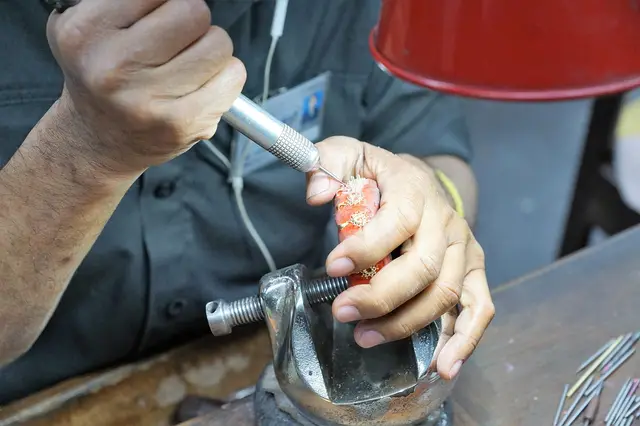
Walk-in engraving shop or mall kiosk
Run a small shop or kiosk where customers bring jewelry, watches and gifts for same-day engraving.
- $8k-40k
- Full-time
- Own premises
Photo: ituzaingo on Pixabay