Open a specialty shared workshop (wood, sewing or metal)
Open a small shared shop focused on one craft and rent out bench time and machines by the hour or month.

- $15k-60k
- Part-time
- Own premises
Estimates for a small start in the US, not guarantees.
What it is
A smaller makerspace built around one craft, such as woodworking, sewing and textiles, or ceramics. You offer machines and workspace, with training so members can use them safely.
Your first three steps
- Pick one craft you know well and look at which local makers lack access to the machines
- Find a small, low-cost unit or shared bay and price a core set of used machines
- Run a few paid pilot classes to build a first group of members before you sign a long lease
Who pays
Hobbyists and apartment dwellers without garage space, craft sellers, and people wanting to learn a skill.
How it makes money
Monthly memberships or hourly bench rates, equipment orientations, beginner classes and occasional private group sessions.
Skills that help
- Skill in your chosen craft
- Teaching beginners
- Customer service
- Keeping equipment maintained
Watch out for
- Zoning and fire code for the type of work, such as dust collection for woodworking, check with your city or county
- General liability insurance that covers members using equipment, and workers' compensation if you hire
- Injury risk and waivers, have a lawyer review your member agreement
- Equipment wear and repair costs, set aside a maintenance budget
- Whether you need a local business license or sales tax registration for any supplies or materials you sell, check with your state
🔒 Full research report for US
Real cost breakdown with current prices, licences and registration checklist, local competition, pricing, break-even and a 30-day launch plan, with sources.
Coming soonQuestions people ask
How much does it cost to open a specialty shared workshop?
Estimates put startup costs at typically around $15,000 to $60,000, depending on your premises, the machines you buy and your insurance. Set aside a maintenance budget, since equipment wear and repair costs add up.
How much can a shared workshop earn?
Estimated monthly revenue is typically around $3,000 to $12,000, depending on how many members rent bench time and machines and how many classes you teach. Your craft and local demand will affect the figure.
What rules apply to running a shared workshop?
Check zoning and fire code for your type of work, such as dust collection for woodworking, with your city or county. Also check general liability insurance covering members, a member agreement reviewed by a lawyer, and any local business license or sales tax registration.
Other ways to run this business
Similar teaching and tutoring ideas
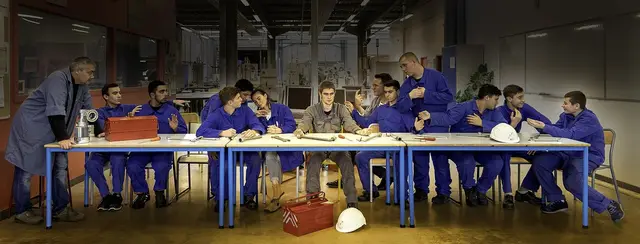
Hands-on trade skills training center
Rent a small space and teach short, job-focused courses in a skill you know, like welding, medical billing or CDL prep.
- $15k-60k
- Part-time
- Own premises

Toy library with a small storefront
Open a small shop where families browse, borrow and play, funded by memberships and play sessions.
- $15k-60k
- Full-time
- Own premises
Dance studio with your own space
Lease a small studio and run a full weekly timetable of classes for children and adults.
- $15k-60k
- Full-time
- Own premises

Small adult learning center
Rent a small storefront or suite and run daytime and evening courses for adults in your area.
- $15k-60k
- Full-time
- Own premises

Hands-on trade skills training shop
Rent a small unit and teach short courses in welding, carpentry or basic electrical to career changers and apprentices.
- $15k-60k
- Part-time
- Own premises
Hands-on telecom and cabling training workshops
Run short, practical courses in fiber splicing and structured cabling for career changers and employers' new hires.
- $25k-70k
- Part-time
- Own premises