Hands-On trade skills training shop
Rent a small unit and teach short courses in welding, carpentry or basic electrical to career changers and apprentices.

- $15k-60k
- Part-time
- Own premises
- Licence or permit needed
Estimates for a small start in the US, not guarantees.
Official data
4,657 US businesses with employees in this field, -0.5% in a year
NAICS 611519 “Other technical and trade schools”. Source: U.S. Census Bureau, County Business Patterns 2023.
What it is
A small training workshop that runs short, practical courses in one trade, such as welding, carpentry or basic electrical wiring. Classes are small, with benches or booths and a lot of supervised practice.
Your first three steps
- Pick one trade and one beginner course, then ask local contractors and employers what skills new hires lack
- Call your state agency that oversees private postsecondary or vocational schools to ask whether your courses need approval
- Price out a small rented unit and basic equipment, then run a pilot weekend class with 4 to 6 students
Who pays
Career changers, young adults entering a trade, hobbyists, and local contractors who send new hires for entry-level training.
How it makes money
Course fees per student, from weekend workshops to multi-week evening programs. Extra income can come from private group sessions for local employers.
Skills that help
- Years of hands-on experience in the trade you teach
- Clear teaching and patience with beginners
- Safety awareness and keeping a class organized
Watch out for
- Many states regulate vocational schools and may require authorization or a bond, so check with your state education or licensing agency before advertising courses
- Accreditation is needed for students to use federal financial aid, and it is a long process, so most small schools start without it
- Avoid promising jobs or licenses unless you can back it up, since states may restrict this kind of marketing
- General liability insurance and possibly workers' compensation, because students handle tools and equipment
- Zoning, fire code and ventilation rules for your unit, especially for welding or woodworking, so check with your city or county
- Equipment and consumables (metal, wood, wire) can add up, so budget for them
Deep research report · US
Everything you need to start: hands-on trade skills training shop
Researched with live web search for United States: real startup prices, the licences and rules, what others charge, a break-even example, how to find your first customers and a 30-day launch plan. With sources.
- Startup costs with real prices
- Licences, registration and rules
- Pricing: what others charge
- Break-even example
- Finding your first customers
- 30-day launch plan
- Risks and how to reduce them
Questions people ask
How much does it cost to start a trade skills training shop?
Startup costs are typically around $15,000 to $60,000, depending on the unit you rent, the equipment you need and the consumables such as metal, wood and wire. Treat this as an estimate and budget for materials as well.
How much can a trade skills training shop earn?
Monthly revenue is typically around $3,000 to $15,000, depending on how many courses you run, class sizes and the fees you charge. Treat it as an estimate and test demand with a small first course.
What rules should I check before teaching trade courses?
Check with your state education or licensing agency about vocational school authorization or a bond. Also check accreditation limits, marketing claims about jobs or licenses, insurance, and zoning, fire code and ventilation rules for your unit.
Other ways to run this business
Similar teaching and tutoring ideas
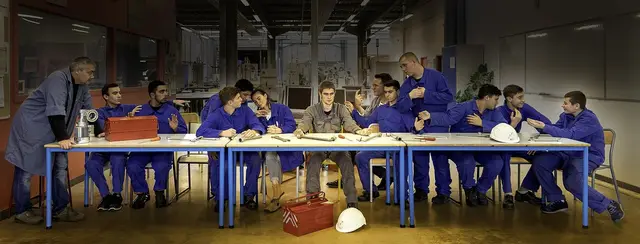
Hands-on trade skills training center
Rent a small space and teach short, job-focused courses in a skill you know, like welding, medical billing or CDL prep.
- $15k-60k
- Part-time
- Own premises

Toy library with a small storefront
Open a small shop where families browse, borrow and play, funded by memberships and play sessions.
- $15k-60k
- Full-time
- Own premises
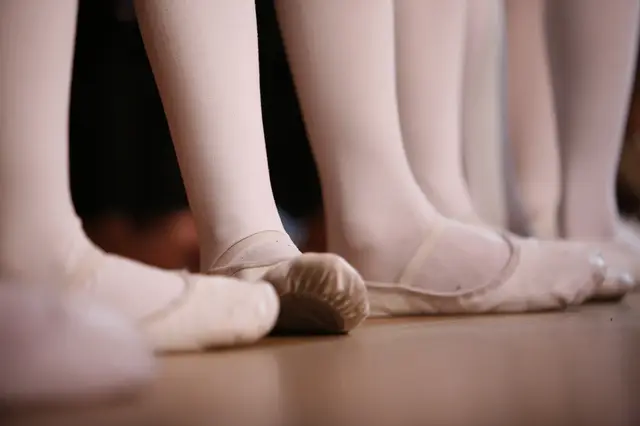
Dance studio with your own space
Lease a small studio and run a full weekly timetable of classes for children and adults.
- $15k-60k
- Full-time
- Own premises

Small adult learning center
Rent a small storefront or suite and run daytime and evening courses for adults in your area.
- $15k-60k
- Full-time
- Own premises

Specialty shared workshop (wood, sewing or metal)
Open a small shared shop focused on one craft and rent out bench time and machines by the hour or month.
- $15k-60k
- Part-time
- Own premises
Hands-on telecom and cabling training workshops
Run short, practical courses in fiber splicing and structured cabling for career changers and employers' new hires.
- $25k-70k
- Part-time
- Own premises