Weekly meal prep delivery from a licensed kitchen
Cook ready-to-heat meals in batches in a licensed kitchen and deliver them to local customers each week.
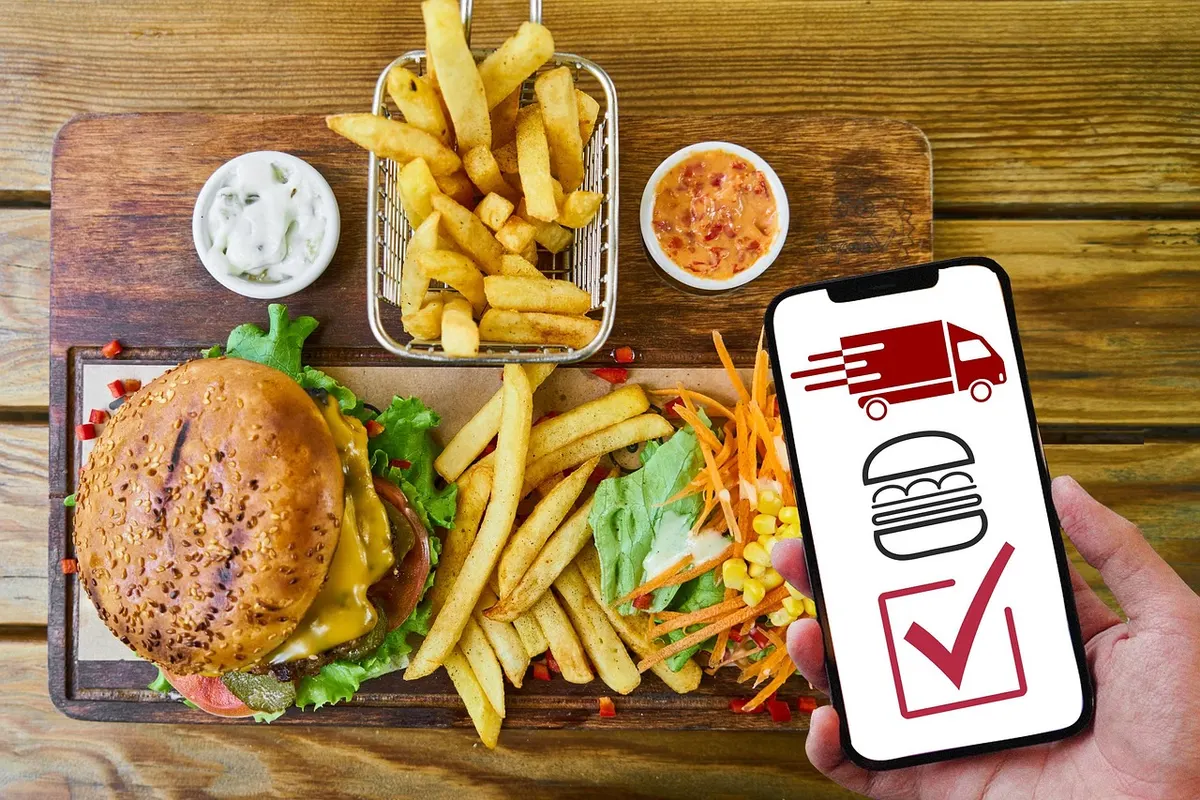
- $2k-8k
- Side hustle
- Own premises
- Licence or permit needed
Estimates for a small start in the US, not guarantees.
Official data
13,222 US businesses with employees in this field, +1.4% in a year
NAICS 722320 “Caterers”. Source: U.S. Census Bureau, County Business Patterns 2023.
What it is
You cook a small weekly menu of ready-to-heat meals, such as lunches, family dinners or fitness-style portions. Customers order ahead and you deliver them in sealed containers. Most states do not let you sell this kind of meal from an ordinary home kitchen, so plan to rent time in a licensed commissary or shared kitchen unless your state or county confirms otherwise.
Your first three steps
- Call your county or state health department to ask what rules apply to selling ready meals. Cottage food laws usually cover only low-risk foods like baked goods, so you will most likely need a licensed commercial or shared kitchen
- Find a shared or commissary kitchen near you and ask about hourly rates, storage and what permits they require
- Test a menu of 4 to 6 meals, work out cost per portion, and set a price with a margin after packaging, kitchen rental and delivery
Who pays
Busy professionals, families, new parents, older adults and people following a set eating plan.
How it makes money
Customers pay per meal or per weekly bundle. Repeat weekly subscribers make your shopping and cooking easier to plan.
Skills that help
- Batch cooking
- Food safety habits
- Planning and time management
- Customer communication
Watch out for
- Check your state and county rules before selling anything: ready meals are usually not allowed from a home kitchen, and the rules vary widely
- A food business or food establishment permit from the health department is likely needed, along with a food handler card or food protection manager certification depending on your state
- Ask your insurer about general liability and product liability cover, and check your auto policy for business delivery driving
- Labeling rules for ingredients and allergens apply to packaged meals, so check them with your state agency
- Sales tax on prepared food varies by state, so check with your state revenue department
- Shared kitchen fees, permits and insurance are ongoing costs to build into your prices
Deep research report · US
Everything you need to start: weekly meal prep delivery from a licensed kitchen
Researched with live web search for United States: real startup prices, the licences and rules, what others charge, a break-even example, how to find your first customers and a 30-day launch plan. With sources.
- Startup costs with real prices
- Licences, registration and rules
- Pricing: what others charge
- Break-even example
- Finding your first customers
- 30-day launch plan
- Risks and how to reduce them
Questions people ask
How much does it cost to start a meal prep delivery business?
Startup costs are estimated at typically around $2,000 to $8,000, depending on shared kitchen fees, permits, insurance, containers and delivery setup. Shared kitchen fees, permits and insurance are ongoing costs, so build them into your prices.
Can I sell meal prep from my home kitchen?
Check your state and county rules before selling anything, since ready meals are usually not allowed from a home kitchen and rules vary widely. A food business permit from the health department is likely needed, plus a food handler card or manager certification depending on your state.
How much can a meal prep delivery business earn?
Monthly revenue is typically estimated around $1,500 to $6,000, depending on your menu, prices and how many weekly customers you serve. Plan on at least about 12 hours a week. Also check labeling rules and sales tax on prepared food with your state.
Other ways to run this business
Similar food ideas

Small-batch soda wholesale from home
Supply a handful of local shops, food trucks and event organizers with specialty sodas, ordered ahead and delivered in your own car.
- $1.5k-8k
- Side hustle
- From home
Food packaging and consumables supplier
Source jars, labels, pouches and boxes from wholesalers and sell them to small local food makers.
- $1.5k-8k
- Side hustle
- From home

Pop-up teahouse at markets and events
Run a tea table or pop-up teahouse at markets, bookshops and events before committing to a permanent space.
- $1.5k-8k
- Side hustle
- Out and about
Vegetarian pop-up dinners
Test your menu with weekend vegetarian meals in borrowed or rented spaces before you commit to a restaurant.
- $2k-8k
- Side hustle
- Out and about

Online private-label coffee wholesaler
Source coffee packed under your own brand and sell it in bulk to shops, gift stores and offices, with orders shipped for you.
- $1.5k-8k
- Side hustle
- Online

Home-based food export trader
Buy American food and drink from producers and sell it to overseas importers, shipped straight from the supplier.
- $2k-8k
- Side hustle
- From home
Photo: Sunriseforever on Pixabay