Neighborhood pawn shop
Lend cash against jewelry, tools and electronics, then resell items that aren't reclaimed.
- $150k-500k
- Full-time
- Own premises
- Licence or permit needed
Estimates for a small start in the US, not guarantees.
Official data
9,373 US businesses with employees in this field, -3.6% in a year
NAICS 522298 “All other nondepository credit intermediation”. Source: U.S. Census Bureau, County Business Patterns 2023.
What it is
A small licensed shop that makes short-term loans secured by items like jewelry, tools, musical instruments and electronics. Customers repay with interest to get their item back. Items left unreclaimed are sold in the shop or online.
Your first three steps
- Research your state and city pawnbroker rules, then call the licensing office to ask about the application process and any bonding or capital requirements
- Learn valuation by visiting local pawn shops, taking a gold and diamond testing course, and working part-time at a shop if you can
- Write a budget covering loan capital (the cash you lend out), starting inventory, security, insurance, fit-out and rent, then scout locations and check zoning
Who pays
Borrowers who need quick cash and bargain hunters buying used goods. Some shops also buy items outright from sellers.
How it makes money
Interest and fees on loans, plus the margin on reselling forfeited and purchased items. Careful valuation is what protects your margin.
Skills that help
- Valuing used goods (gold, tools, electronics)
- Negotiating fairly and staying calm
- Basic bookkeeping and record keeping
- Customer service
Watch out for
- Startup cost is mostly working capital: the cash you lend out and the stock you buy. A well-stocked shop often needs a six-figure sum on top of fit-out, security and licensing, so build your budget from real quotes
- Pawnbroker licensing: many states and cities require one, often with background checks, so check with your state and city
- Limits on interest rates and fees, loan hold periods and required paperwork, which vary by state
- Reporting of transactions to local police is often required, to help catch stolen goods; check your local rules
- Selling firearms usually requires a federal firearms license (FFL) from the ATF plus state rules, so decide early if you will handle them
- Risk of taking in stolen or counterfeit goods and of over-valuing items; verify IDs and keep careful records
- Security and cash handling: check insurance options and costs for theft, robbery and inventory
- Needs real capital tied up in loans and stock, so only risk money you can afford
🔒 Full research report for US
Real cost breakdown with current prices, licences and registration checklist, local competition, pricing, break-even and a 30-day launch plan, with sources.
Coming soonQuestions people ask
How much does it cost to start a pawn shop?
Startup costs are typically around $150,000 to $500,000, depending on loan capital, stock, fit-out, security and licensing. Most of it is working capital, so build your budget from real quotes and only risk money you can afford.
How much can a pawn shop earn?
Estimated monthly revenue is typically around $8,000 to $40,000, depending on loan volume, resale of unreclaimed items and location. Revenue is not profit, as your capital is tied up in loans and stock.
What licenses and rules apply to pawn shops?
Check pawnbroker licensing with your state and city, plus limits on interest and fees, hold periods and paperwork. Check police transaction reporting rules. Selling firearms usually requires a federal firearms license, so decide early whether to handle them.
Similar retail ideas

Buy an existing liquor store
Take over a running liquor store with its customers, stock and location, instead of starting from scratch.
- $150k-500k
- Full-time
- Own premises
Buy an existing convenience store
Take over a running corner store with its customers, stock and licenses, instead of starting from an empty unit.
- $150k-600k
- Full-time
- Own premises
Small manufactured home sales lot
Run a small lot or display center selling new and used manufactured homes, with delivery and setup arranged for buyers.
- $150k-600k
- Full-time
- Own premises
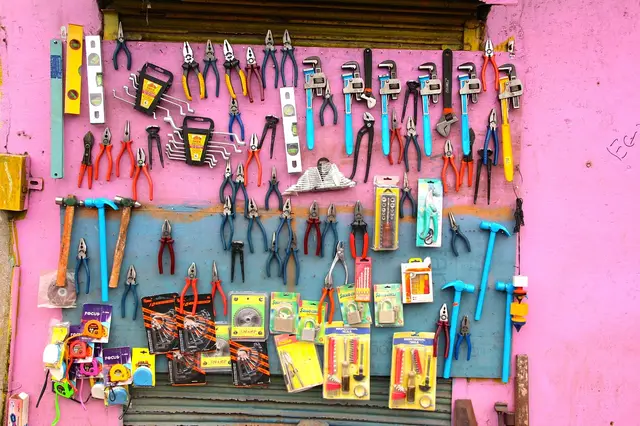
Neighborhood hardware store
Open a small local store selling tools, fasteners and DIY supplies to homeowners and tradespeople nearby.
- $75k-350k
- Full-time
- Own premises
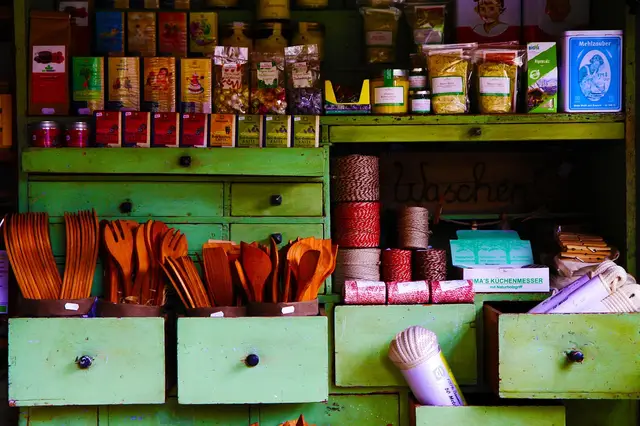
Take over a local general store
Buy a small going general store, keep its customers and gradually make it your own.
- $80k-300k
- Full-time
- Own premises
Local equipment rental and supply yard
Open a small yard or unit renting and selling construction tools and equipment to contractors and homeowners.
- $250k-750k
- Full-time
- Own premises