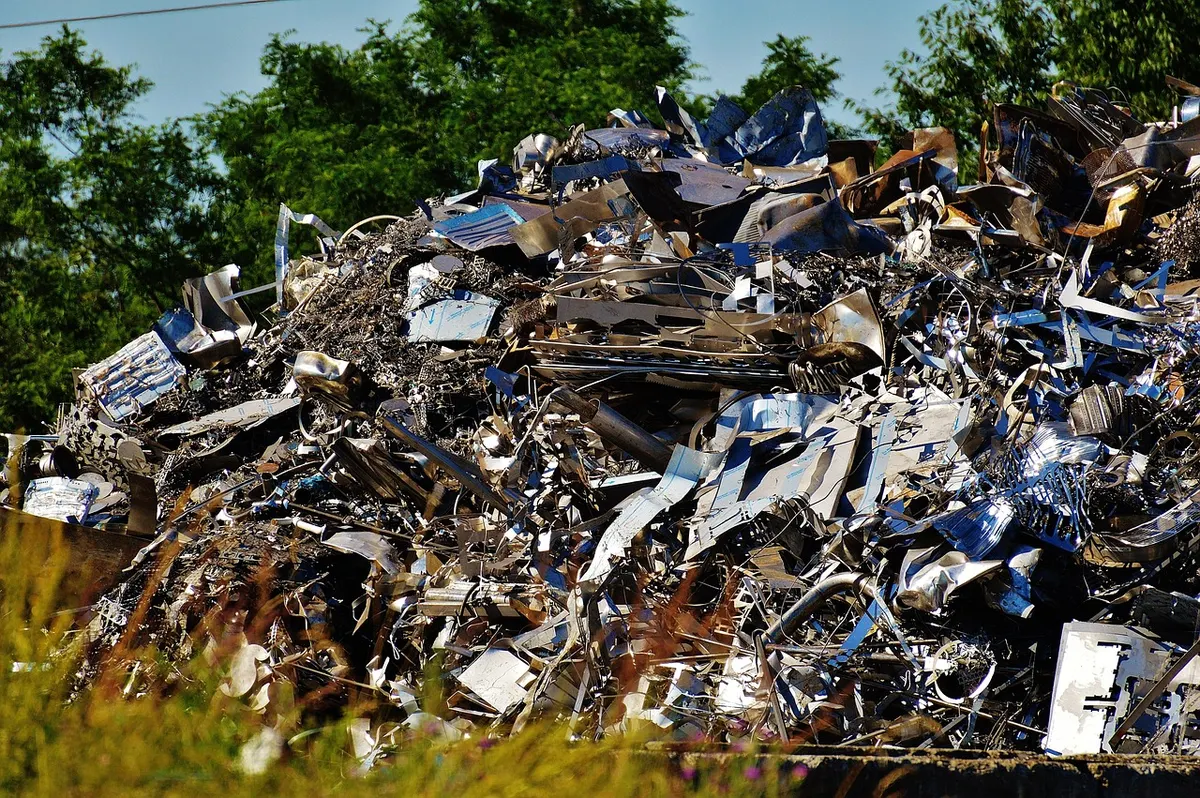
Small scrap metal buying yard
Run a small yard where the public and local businesses sell scrap, then sort and resell it in bulk to processors.
- $30k-150k
- Full-time
- Own premises
- Licence or permit needed
Estimates for a small start in the US, not guarantees.
Official data
7,744 US businesses with employees in this field, -0.2% in a year
NAICS 423930 “Recyclable material merchant wholesalers”. Source: U.S. Census Bureau, County Business Patterns 2023.
What it is
A small leased or owned yard with a scale, sorting bins and a way to move material. You buy scrap from walk-in sellers and businesses, sort it by grade, and sell bulk loads to mills or larger processors.
Your first three steps
- Check zoning for a yard site with your city or county, and ask about environmental and stormwater permits for outdoor metal storage
- Contact your state or city about the scrap dealer license, ID and record keeping rules, and speak with an insurance agent about coverage
- Line up at least two processors or mills to buy from you, then price out a certified scale, bins, and a forklift or loader
Who pays
You pay walk-in sellers, contractors, repair shops and small factories for their scrap. Mills and larger processors pay you for bulk sorted loads.
How it makes money
You earn the gap between buy and sell prices, and better sorting, volume and steady commercial accounts help the margin. Some yards also offer roll-off containers for businesses.
Skills that help
- Grading and sorting metals
- Running a certified scale and keeping accurate records
- Negotiating with buyers and sellers
- Managing safety and basic equipment
Watch out for
- Zoning, scrap dealer licensing and environmental rules vary a lot by state and city, so confirm what applies to your site
- Recordkeeping, seller ID and payment rules are often strict, and some areas ban cash payments or require holds on certain items
- Environmental risks such as fluids from vehicles or appliances, so check what handling and cleanup rules apply
- General liability, property and workers' compensation insurance once you hire, plus fire risk from stored materials
- Theft and buying stolen material, so set clear rules on what you will not accept
- Prices swing with the commodity market, so avoid holding large stock without a plan
Deep research report · US
Everything you need to start: small scrap metal buying yard
Researched with live web search for United States: real startup prices, the licences and rules, what others charge, a break-even example, how to find your first customers and a 30-day launch plan. With sources.
- Startup costs with real prices
- Licences, registration and rules
- Pricing: what others charge
- Break-even example
- Finding your first customers
- 30-day launch plan
- Risks and how to reduce them
Questions people ask
How much does it cost to start a scrap metal yard?
Startup costs are typically estimated at around $30,000 to $150,000, depending on whether you lease or own the site, your scale and equipment, and the stock you hold. Prices swing, so avoid holding large stock without a plan.
How much can a small scrap yard make?
Monthly revenue is typically estimated at around $8,000 to $40,000, depending on the volume you buy, the grades you sort and what mills and processors pay. That is revenue before purchases, site costs and other expenses.
What rules should I check before opening a scrap yard?
Check zoning, scrap dealer licensing and environmental rules for your site, plus recordkeeping, seller ID and payment rules, including any cash bans or holds. Also check fluid handling rules and insurance such as general liability, property and workers' compensation.
Other ways to run this business
Similar business services ideas
Purified water refill shop with delivery
Run a small purified water shop that refills bottles and delivers to offices and homes.
- $40k-150k
- Full-time
- Own premises

Container sales and rental yard
Keep a small stock of storage containers on a rented lot and deliver them on your own tilt-bed truck.
- $40k-150k
- Full-time
- Own premises

Equipment importer with a small warehouse
Import equipment in container loads, hold stock locally and deliver fast to business customers.
- $30k-150k
- Full-time
- Own premises
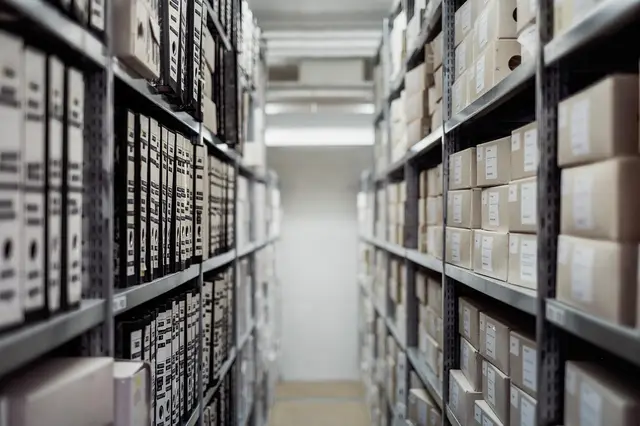
Small records storage warehouse
Lease a small secure warehouse and store boxed business files for local companies, with retrieval on request.
- $40k-150k
- Full-time
- Own premises
Neighborhood check cashing store
Run a licensed small storefront that cashes paychecks and other checks for a flat or percentage fee.
- $30k-150k
- Full-time
- Own premises
Climate-controlled wine storage facility
Lease a small commercial unit, fit it with cooling and lockers, and rent space to collectors and restaurants.
- $25k-120k
- Part-time
- Own premises
Photo: Alexas_Fotos on Pixabay