Cabling Subcontractor for Builders and Developers
Lead a small crew that installs structured cabling in new and renovated buildings for general contractors and developers.

- $10k-40k
- Full-time
- Out and about
- Licence or permit needed
Estimates for a small start in the US, not guarantees.
Official data
83,342 US businesses with employees in this field, +1.8% in a year
NAICS 238210 “Electrical contractors and other wiring installation contractors”. Source: U.S. Census Bureau, County Business Patterns 2023.
What it is
A small crew doing larger cabling jobs in new construction and tenant build-outs: pulling cable, installing racks and jacks, terminating and testing, and handing over documented, labeled systems. Fiber work can be added as you gain skills.
Your first three steps
- Confirm your state's low-voltage or telecom contractor license requirements, and set up an LLC and EIN
- Get general liability and workers' compensation quotes, and consider a BICSI or manufacturer certification to win bids
- Register as a subcontractor with local general contractors and electrical firms, and send them your rates and references
Who pays
General contractors, property developers, electrical contractors and bigger telecom or IT firms that subcontract cabling.
How it makes money
Fixed bids per project or per cable drop, or hourly rates on larger contracts, with extra for testing, documentation and repair callbacks.
Skills that help
- Reading building plans and specs
- Estimating labor and materials
- Leading and scheduling a small crew
- Testing and documenting installations
Watch out for
- State or local contractor licensing is common for commercial work, so check what applies where you work
- Contractors often require insurance certificates, and sometimes bonding, before you can bid
- Late payment from larger firms can strain cash flow, so check payment terms and use written contracts
- Permits, inspection and code rules (including plenum cable and firestopping)
- Job-site safety such as working at height and in active construction zones
- Lumpy workflow, since projects start and end
🔒 Full research report for US
Real cost breakdown with current prices, licences and registration checklist, local competition, pricing, break-even and a 30-day launch plan, with sources.
Coming soonQuestions people ask
How much does it cost to start a cabling subcontracting business?
Startup costs are typically around $10,000 to $40,000, depending on your tools, testing gear, vehicle and the insurance or bonding you need. Larger crews and bigger projects usually need more equipment.
What licensing and insurance should I check before bidding on jobs?
State or local contractor licensing is common for commercial work, so check what applies where you work. Contractors often require insurance certificates, and sometimes bonding. Also check permit, inspection and code rules, including plenum cable and firestopping.
How much revenue can a cabling subcontract crew make?
Monthly revenue is typically around $10,000 to $50,000, depending on the number and size of projects you win. Workflow can be lumpy as projects start and end, and larger firms may pay late.
Other ways to run this business
Similar tech services ideas

Phone repair shop or mall kiosk
Open a small storefront or kiosk offering walk-in repairs on phones, tablets and more.
- $8k-40k
- Full-time
- Own premises
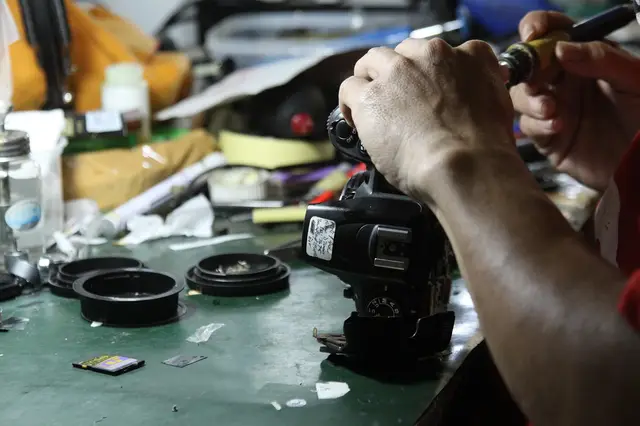
Camera repair shop with a storefront
Open a small shop where walk-in customers drop off cameras and lenses, and you repair, service and clean them.
- $8k-40k
- Full-time
- Own premises

Computer repair shop
Open a small storefront where walk-in customers bring laptops, desktops and tablets for repair.
- $8k-40k
- Full-time
- Own premises

Electronics repair storefront
Open a small shop that fixes phones, laptops, consoles and small appliances for walk-in customers.
- $8k-40k
- Full-time
- Own premises
Walk-in fax, copy and scan counter
Run a small storefront counter where people fax, scan and copy documents, with staff help on hand.
- $10k-35k
- Part-time
- Own premises
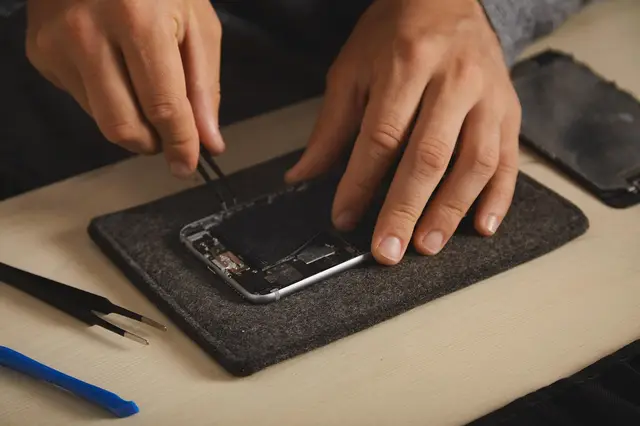
Phone repair shop or kiosk
Run a small storefront or mall kiosk where walk-in customers get phones fixed while they wait.
- $8k-35k
- Full-time
- Own premises