Specialty grocery wholesaler with a small warehouse
Stock a niche range, such as ethnic or imported foods, in a small warehouse and supply independent grocers on trade terms.

- $30k-150k
- Full-time
- Own premises
- Licence or permit needed
Estimates for a small start in the US, not guarantees.
Official data
3,383 US businesses with employees in this field, +2.8% in a year
NAICS 424410 “General line grocery merchant wholesalers”. Source: U.S. Census Bureau, County Business Patterns 2023.
What it is
A small licensed warehouse focused on one niche, for example Latin, Asian, Middle Eastern or African foods, or regional specialty items. You hold stock, take orders and deliver to local independent stores and restaurants.
Your first three steps
- Pick one niche and talk to store owners about what they buy, from whom and what frustrates them about current suppliers
- Price a small warehouse or industrial unit, and check zoning plus the state and county rules for food storage and wholesale licenses
- Line up two or three importers or distributors, then pre-sign a few anchor customers before committing to a lease
Who pays
Independent and ethnic grocers, specialty food shops, small chains and some restaurants that want a dependable local supplier.
How it makes money
Markup on bulk-bought goods, often better margins on niche items than on mainstream lines. Revenue grows with the number of accounts, order size and delivery frequency.
Skills that help
- Knowledge of your niche products and buyers
- Negotiating with importers and suppliers
- Inventory and expiry date management
- Managing a small team and deliveries
Watch out for
- State or local food wholesaler licensing, health department inspections and FDA food facility registration, so check each early
- Importing directly brings FDA labeling and import rules, so start by buying from US-based importers if unsure
- Large upfront stock and a lease tie up cash, so start with a narrow range
- General liability, product liability, property and commercial auto insurance, plus workers' compensation once you hire
- Food safety, labeling accuracy and recalls, with the need to track lots and expiry dates
Deep research report · US
Everything you need to start: specialty grocery wholesaler with a small warehouse
Researched with live web search for United States: real startup prices, the licences and rules, what others charge, a break-even example, how to find your first customers and a 30-day launch plan. With sources.
- Startup costs with real prices
- Licences, registration and rules
- Pricing: what others charge
- Break-even example
- Finding your first customers
- 30-day launch plan
- Risks and how to reduce them
Questions people ask
How much does it cost to start a specialty grocery wholesale business?
Startup costs are typically around $30,000 to $150,000, depending on your warehouse lease, the size of your opening stock and how narrow your product range is. Large upfront stock and a lease tie up cash, so these are estimates to test.
What licenses and rules should I check before wholesaling food?
Check state or local food wholesaler licensing, health department inspections and FDA food facility registration early. If you import directly, check FDA labeling and import rules, or start by buying from US-based importers. Also check insurance and recall and lot-tracking needs.
How much revenue can a specialty grocery wholesaler make?
Monthly revenue is typically around $15,000 to $75,000, depending on your niche, the range you stock and how many stores and restaurants you supply. Treat this as an estimate, and remember that stock and rent tie up cash.
Other ways to run this business

Similar food ideas

Açaí bowl and smoothie shop
Run a small counter-service shop selling açaí bowls, smoothies and juices to walk-in and takeaway customers.
- $40k-150k
- Full-time
- Own premises

Italian specialty grocery shop
Open a small shop selling imported pasta, cheese, oils and Italian pantry staples to local food lovers.
- $40k-150k
- Full-time
- Own premises
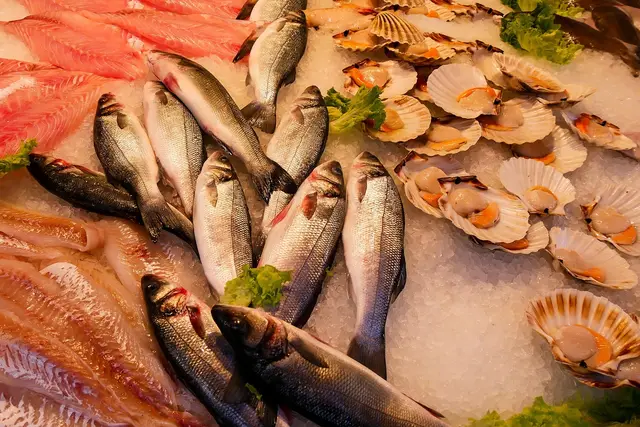
Neighborhood fish shop
Run a small fish counter selling fresh fish and shellfish to local cooks, restaurants and caterers.
- $30k-150k
- Full-time
- Own premises
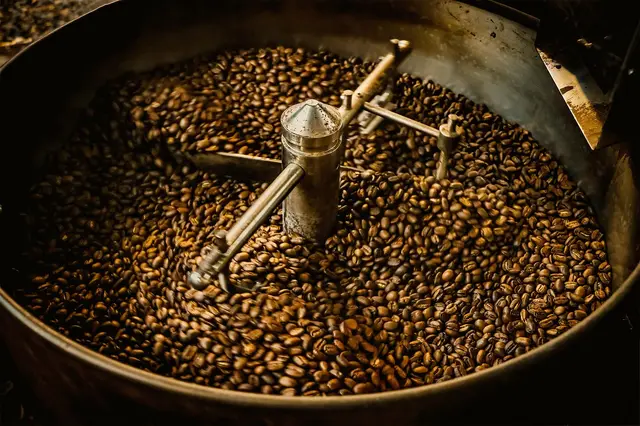
Local roastery supplying cafés and shops
Rent a small unit, roast larger batches and supply fresh coffee to local cafés, restaurants and offices.
- $40k-150k
- Full-time
- Own premises
Neighborhood tofu shop with on-site production
Open a small storefront that makes tofu daily and sells it to walk-in shoppers and local restaurants.
- $40k-150k
- Full-time
- Own premises
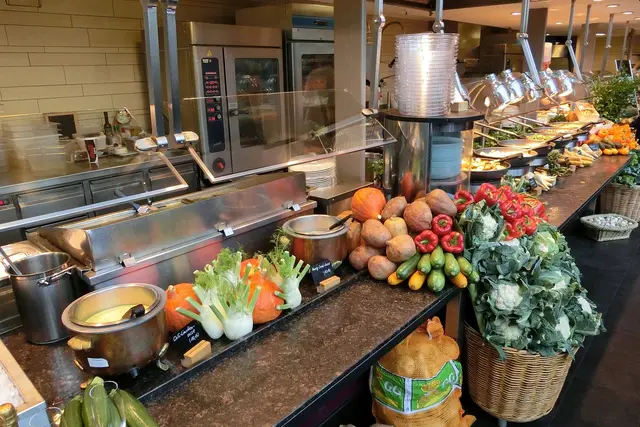
Neighborhood self-service lunch counter
Open a small self-service eatery with hot and cold lunch dishes for local workers, students and residents.
- $30k-150k
- Full-time
- Own premises