Small-Scale grocery supplier with a delivery van
Buy everyday grocery lines in bulk and deliver them to corner stores and small shops on a regular route.

- $5k-25k
- Part-time
- Out and about
- Licence or permit needed
Estimates for a small start in the US, not guarantees.
Official data
3,383 US businesses with employees in this field, +2.8% in a year
NAICS 424410 “General line grocery merchant wholesalers”. Source: U.S. Census Bureau, County Business Patterns 2023.
What it is
A lean start supplying a few product lines, such as snacks, drinks, canned goods and pantry staples, to independent stores. You buy from larger distributors or wholesale clubs, store stock in a small rented space and deliver by van on a set weekly route.
Your first three steps
- Visit 15 to 20 independent stores in your area and ask which products they struggle to get and what order sizes suit them
- Set up an LLC or sole proprietorship, get an EIN, and ask your state about a seller's permit or resale certificate and any food wholesaler license
- Open trade accounts with one or two larger distributors, then deliver a trial order to two or three stores on short payment terms
Who pays
Independent convenience stores, small grocers, gas station shops, delis and small markets that are too small for the big distributors' minimum orders.
How it makes money
You buy at wholesale prices and sell to stores at a markup, usually a thin margin per item. Profit depends on steady repeat orders, a tight route and low waste.
Skills that help
- Sales and relationship building
- Basic bookkeeping and pricing
- Route planning and reliable driving
- Stock control and keeping to dates
Watch out for
- Check your state and county for a food wholesaler or warehouse license, and ask the FDA whether your storage space needs food facility registration
- Home storage of food for resale may not be allowed, so check local zoning, HOA or lease rules and health department requirements
- Thin margins and late-paying customers can strain cash flow, so set clear payment terms and limit credit
- General liability, commercial auto and product liability insurance, plus a plan for recalls and expired stock
- Cold or frozen goods need refrigerated storage and transport, which raises costs a lot
Deep research report · US
Everything you need to start: small-scale grocery supplier with a delivery van
Researched with live web search for United States: real startup prices, the licences and rules, what others charge, a break-even example, how to find your first customers and a 30-day launch plan. With sources.
- Startup costs with real prices
- Licences, registration and rules
- Pricing: what others charge
- Break-even example
- Finding your first customers
- 30-day launch plan
- Risks and how to reduce them
Questions people ask
How much does it cost to start a grocery delivery route business?
Startup costs are typically around $5,000 to $25,000, depending on your van, your first stock purchases and any small rented storage space. Cold or frozen goods need refrigerated storage and transport, which raises costs a lot. These are estimates only.
What licenses and rules should I check for wholesaling groceries?
Check your state and county for a food wholesaler or warehouse license, and ask the FDA whether your storage space needs food facility registration. Also check local zoning, HOA or lease rules and health department requirements, since home storage of food for resale may not be allowed.
How much revenue can a small grocery supply route bring in?
Monthly revenue is typically around $3,000 to $15,000, depending on your product lines and how many stores are on your route. Margins can be thin and late-paying customers can strain cash flow, so set clear payment terms.
Other ways to run this business
Similar food ideas

Online kosher grocery with local delivery
Sell kosher-certified groceries by online order and deliver or offer pickup to families in your area, without a full storefront.
- $5k-25k
- Part-time
- Online
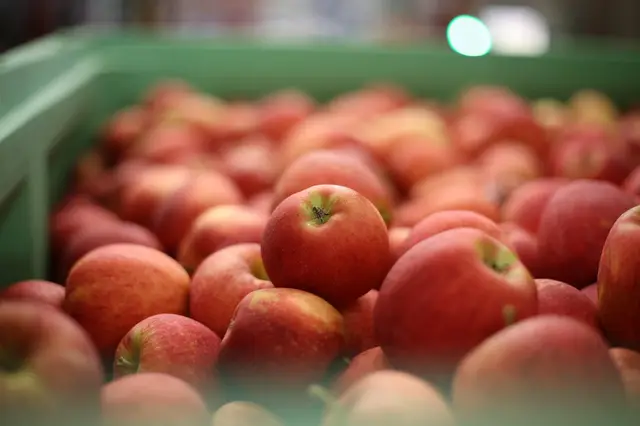
Local fresh fruit wholesale delivery
Buy fruit in bulk from growers or terminal markets and deliver it to restaurants, cafes and small grocers.
- $5k-25k
- Part-time
- Out and about
Small-batch fresh tofu maker
Make fresh tofu in a rented commercial kitchen and sell it at farmers markets, co-ops and local restaurants.
- $5k-25k
- Part-time
- Own premises
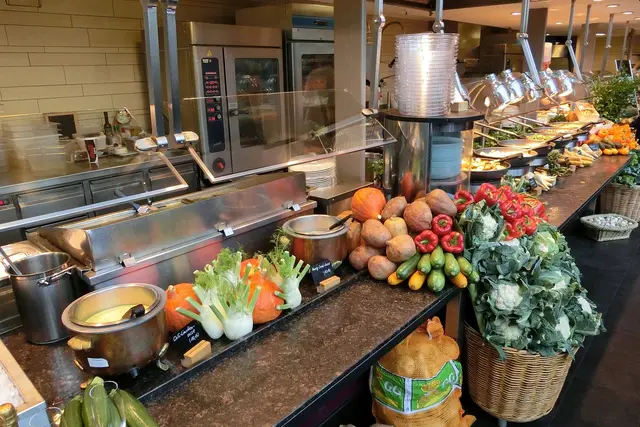
Workplace lunch cafeteria operator
Run a self-service lunch counter inside a small office, factory or school, serving hot and cold meals to the people who work there.
- $5k-25k
- Full-time
- Own premises

Local produce supplier for restaurants
Buy fresh produce from nearby farms and deliver it to restaurants, caterers and small grocers.
- $5k-25k
- Part-time
- Out and about
Frozen food shop with local delivery
Sell frozen meals and desserts online and deliver to local homes in an insulated van or car.
- $5k-25k
- Part-time
- Out and about