Cidery with a cellar door
Run a small cidery on an orchard or in a unit, selling to pubs and shops and pouring tastings for visitors.
- A$60k-250k
- Full-time
- Own premises
- Licence or permit needed
Estimates for a small start in Australia, not guarantees.
What it is
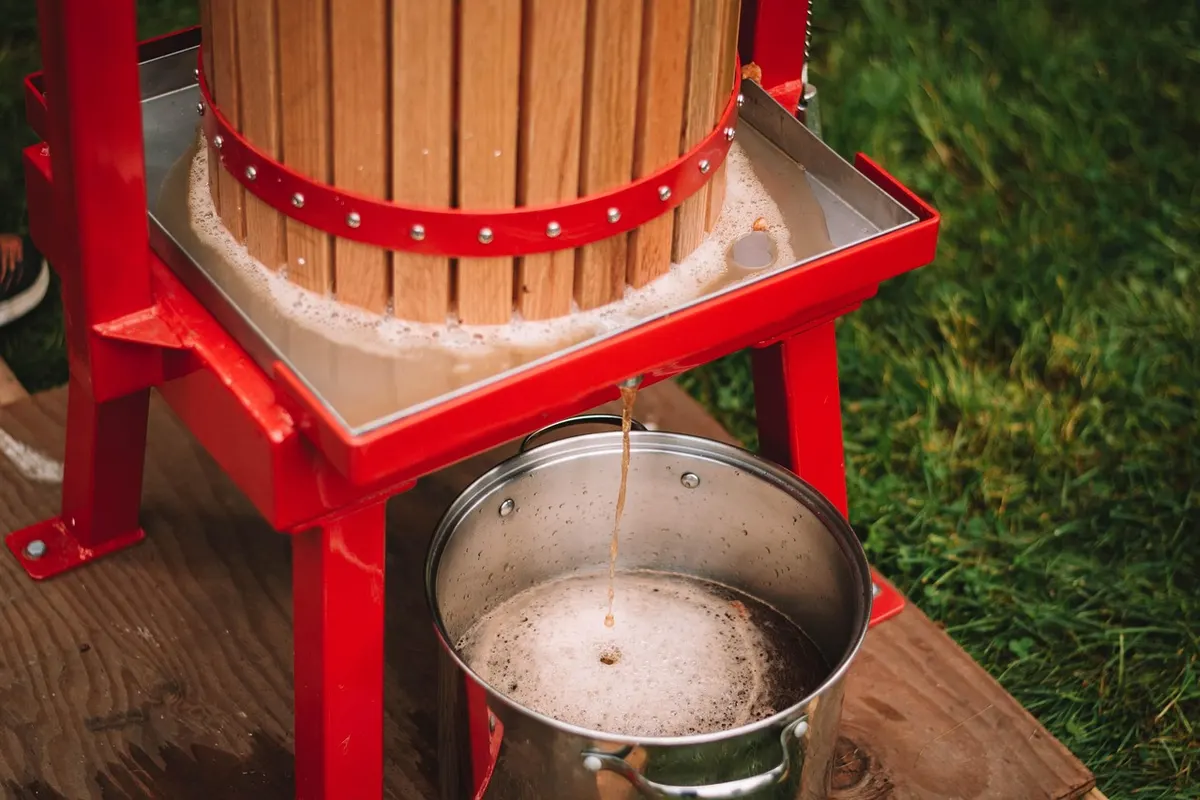
A purpose-set-up cidery with a pressing and fermenting area, packaging and a tasting space for visitors. It often sits on an orchard or in a regional town and may add food or events later.
Your first three steps
- Write a simple business plan covering equipment, site, apple supply and likely volumes
- Talk to your council and state liquor licensing body about the zoning, planning and licence needed for production and a cellar door
- Visit a few small cideries, ask about equipment suppliers and learn from a short cider making course or a stint working at a cidery
Who pays
Visitors and tourists at the cellar door, pubs, bars and bottle shops, festival goers and online customers.
How it makes money
Cellar door tastings and bottle sales at retail prices, wholesale to venues, kegs for taps, and ticketed events or merchandise.
Skills that help
- Cider making and quality control
- Running a customer-facing venue
- Sales and relationships with venues
- Budgeting and stock planning
Watch out for
- Planning permission and zoning for a cellar door, check with your local council
- Producer and on-premises liquor licensing differs by state, check the details
- Alcohol tax: check with the ATO whether wine equalisation tax (and any producer rebate) or excise applies to your cider, as it can depend on the product and its alcohol content, and whether you need to register
- Responsible service of alcohol training for staff serving tastings
- Workers compensation insurance once you hire, plus public and product liability cover
- High setup costs and seasonal cash flow, so keep a buffer
Deep research report · Australia
Everything you need to start: cidery with a cellar door
Researched with live web search for Australia: real startup prices, the licences and rules, what others charge, a break-even example, how to find your first customers and a 30-day launch plan. With sources.
- Startup costs with real prices
- Licences, registration and rules
- Pricing: what others charge
- Break-even example
- Finding your first customers
- 30-day launch plan
- Risks and how to reduce them
Questions people ask
How much does it cost to start a cidery with a cellar door?
Estimates suggest startup costs are typically around $60,000 to $250,000, depending on your site, pressing and fermenting equipment, packaging and tasting space fit-out. Setup costs are high, so keep a cash buffer.
What licences and rules should I check for a cellar door?
Check planning permission and zoning with your council, and producer and on-premises liquor licensing for your state. Also check alcohol tax with the ATO, responsible service of alcohol training for staff, and insurance.
How much can a cidery with a cellar door earn?
Estimates suggest monthly revenue is typically around $6,000 to $30,000, depending on visitor numbers, venue sales and online orders. Allow at least about 30 hours a week, and expect seasonal swings in cash flow.
Other ways to run this business

Similar food ideas

Hong Kong-style cafe (cha chaan teng)
Open a small cafe serving milk tea, French toast and baked rice dishes to locals and students.
- A$60k-250k
- Full-time
- Own premises

Small vegan cafe-restaurant
Run a compact eat-in venue serving plant-based lunches and dinners to vegans and curious locals.
- A$50k-250k
- Full-time
- Own premises

Neighbourhood butcher shop
Run a small local butcher selling fresh cuts, sausages and marinated meats to households and nearby cafes.
- A$60k-250k
- Full-time
- Own premises

Japanese sweets café
Run a small café serving wagashi, mochi, matcha desserts and Japanese teas to locals and visitors.
- A$60k-250k
- Full-time
- Own premises

Neighbourhood chocolate cafe
Open a cosy cafe built around hot chocolate, chocolate desserts and sweet treats for dine-in customers.
- A$60k-250k
- Full-time
- Own premises

Wedding buffet catering business with own kitchen
Run a full-time wedding buffet catering business from your own commercial kitchen, with casual staff for bigger weddings.
- A$80k-250k
- Full-time
- Own premises
Photo: Veronicatxoxo on Pixabay