Small-batch cider from a shed or farm
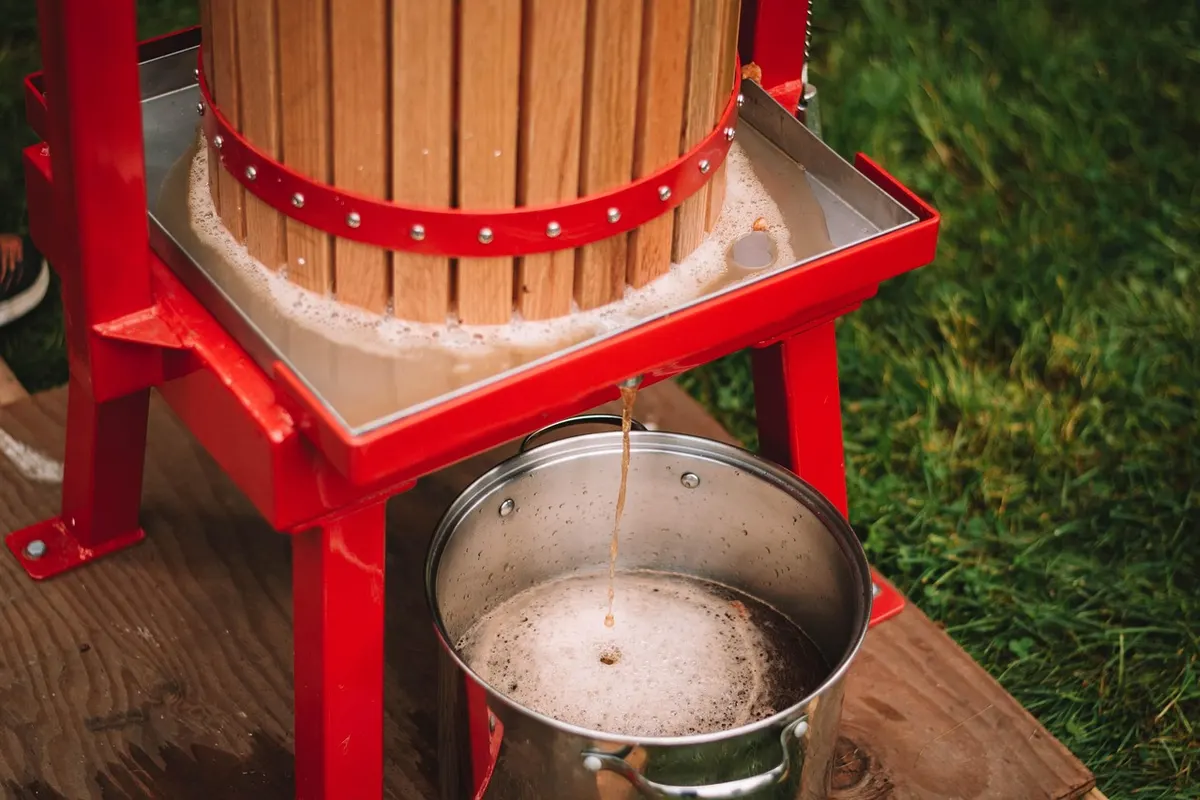
Press local apples and make small runs of cider to sell at markets, bottle shops and local pubs.
- A$6k-30k
- Side hustle
- From home
- Licence or permit needed
Estimates for a small start in Australia, not guarantees.
What it is
A small-scale cider operation in a shed, garage or farm building on a rural or large-lot property. You source or grow apples, press and ferment them, then bottle or keg in small batches.
Your first three steps
- Make test batches and get feedback from friends and a few local venue owners
- Check with your council and state liquor licensing body what you need to produce and sell cider from your property
- Line up a reliable apple supply from local orchards or growers and price your first run
Who pays
Market and festival visitors, local pubs and bottle shops, and direct customers through online orders or word of mouth.
How it makes money
Sell bottles and kegs at a wholesale price to venues and shops, and at a higher retail price at markets and direct. Margins improve if you grow or cheaply source your own apples.
Skills that help
- Patience and care with fermenting
- Keeping equipment very clean
- Selling and talking to customers at markets
- Basic record keeping
Watch out for
- State or territory liquor licence for producing and selling alcohol, check which type applies
- Council approval for running a food or drink business from your property
- Wine equalisation tax and any producer rebate, check with the ATO
- Food safety rules and labelling, including standard drinks and pregnancy warning labels, check with FSANZ and your state
- Public liability and product liability insurance
- Apple supply varies by season, so plan cash flow around harvest
🔒 Full research report for Australia
Real cost breakdown with current prices, licences and registration checklist, local competition, pricing, break-even and a 30-day launch plan, with sources.
Coming soonQuestions people ask
How much does it cost to start a small-batch cider business?
Estimates suggest startup costs are typically around $6,000 to $30,000, depending on your pressing and fermenting equipment, bottling or kegging setup, and whether you grow your own apples or buy them in.
Do I need a licence to make and sell cider in Australia?
Check which state or territory liquor licence applies to producing and selling alcohol. Also check council approval for your property, wine equalisation tax and any producer rebate with the ATO, labelling rules, and insurance.
How much can a small-batch cidery earn and how much time does it take?
Estimates suggest monthly revenue is typically around $1,000 to $5,000, depending on your volume and where you sell. Plan for at least about 8 hours a week, and plan cash flow around the apple harvest.
Other ways to run this business

Similar food ideas
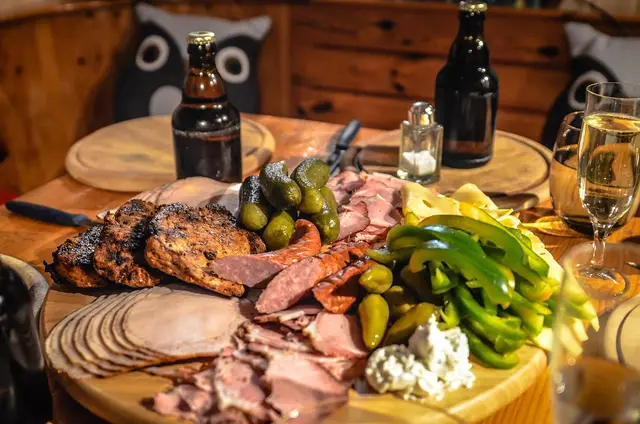
Pop-up ham and charcuterie stall
Serve sliced cured ham and charcuterie boards at markets, events and pop-ups before committing to a venue.
- A$8k-30k
- Side hustle
- Out and about
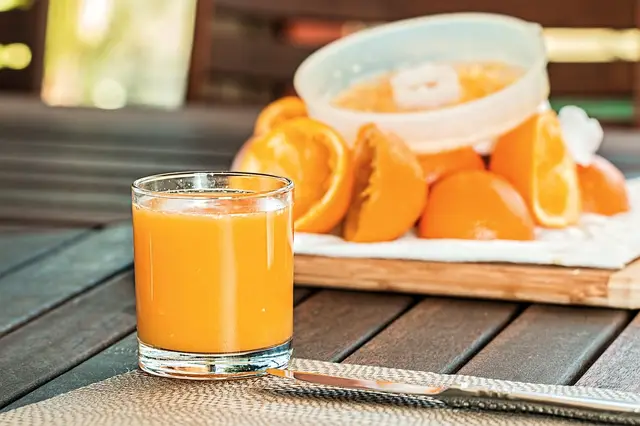
Mobile juice cart or market stall
Sell fresh juices and smoothies from a cart or stall at markets, events and sports days.
- A$5k-30k
- Side hustle
- Out and about
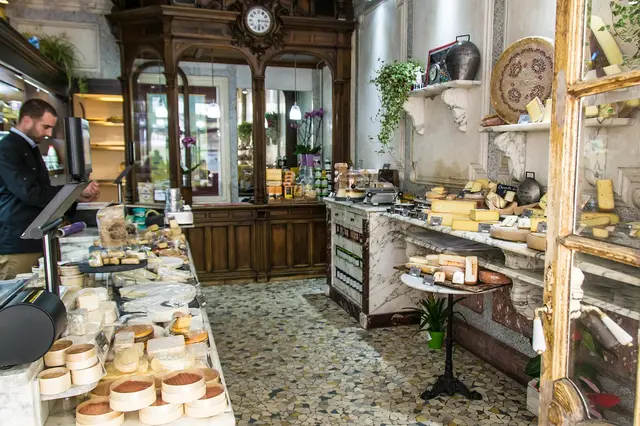
Deli market stall
Sell cheeses, cured meats, dips and antipasto from a stall at weekend markets.
- A$5k-25k
- Side hustle
- Out and about
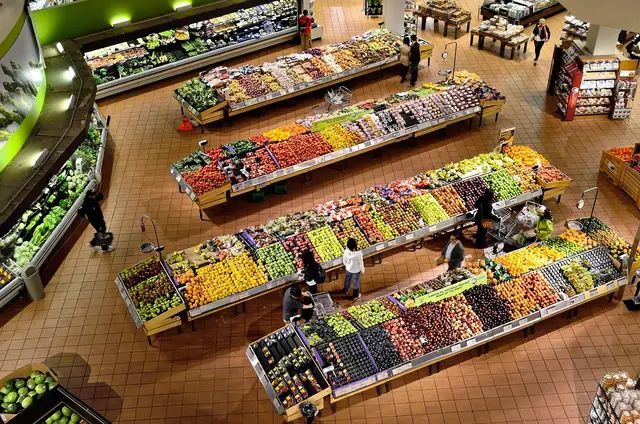
Online grocery with local delivery
Take grocery orders online and deliver a curated range to homes in your local area.
- A$5k-25k
- Part-time
- Own premises

Online meat box delivery
Sell pre-portioned meat boxes online and deliver them chilled to local households, without a shopfront.
- A$5k-25k
- Part-time
- Online

Local wine distributor for small producers
Buy cases from small Australian wineries and deliver them to restaurants, bars and shops in your area.
- A$5k-25k
- Part-time
- Out and about
Photo: Veronicatxoxo on Pixabay