Mobile juice cart or market stall
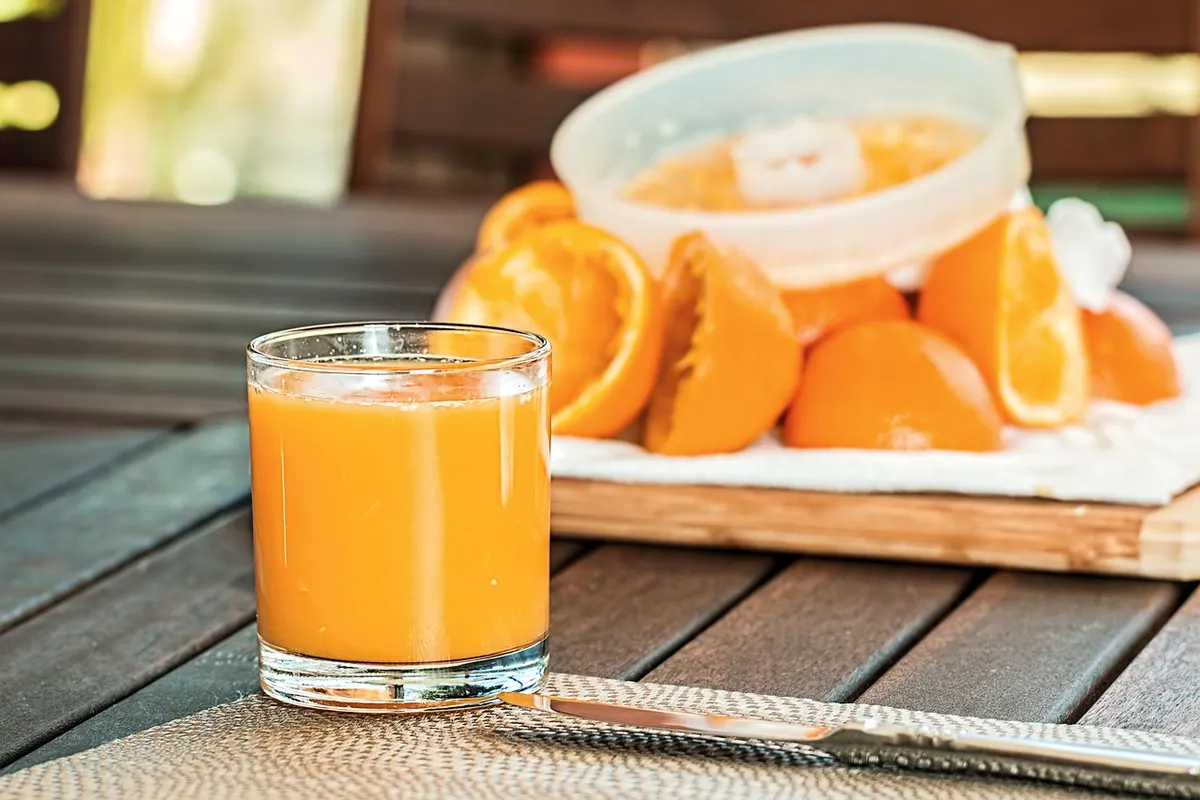
Sell fresh juices and smoothies from a cart or stall at markets, events and sports days.
- A$5k-30k
- Side hustle
- Out and about
- Licence or permit needed
Estimates for a small start in Australia, not guarantees.
What it is
A compact cart, trailer or stall with blenders and a juicer, serving drinks at weekend markets, festivals, school fairs and sporting events.
Your first three steps
- Visit local markets and events to see what drinks are sold, the prices, and what stall fees are charged
- Contact your local council about temporary or mobile food business registration
- Trial a short menu with borrowed or second-hand equipment at one or two markets before buying a full cart
Who pays
Market visitors, event crowds, families and sports participants paying at the counter.
How it makes money
Sale of each drink, with busy event days bringing most of the income. A small menu keeps prep fast and waste low.
Skills that help
- Customer service
- Fast, tidy food prep
- Event and market booking
- Basic power and equipment setup
Watch out for
- Mobile or temporary food registration, which can differ by council and state, check each place you plan to trade
- Food safety training and handwashing and water supply rules for stalls
- Public liability insurance, which markets and events often require
- Power, ice and water supply on the day, and weather affecting sales
- Keeping fruit fresh and cold in hot conditions
Deep research report · Australia
Everything you need to start: mobile juice cart or market stall
Researched with live web search for Australia: real startup prices, the licences and rules, what others charge, a break-even example, how to find your first customers and a 30-day launch plan. With sources.
- Startup costs with real prices
- Licences, registration and rules
- Pricing: what others charge
- Break-even example
- Finding your first customers
- 30-day launch plan
- Risks and how to reduce them
Questions people ask
How much does it cost to start a juice cart or market stall?
Startup costs are typically around $5,000 to $30,000, depending on whether you buy a simple stall setup or a cart or trailer, and the blenders and juicer you choose. Treat this as an estimate and price your own equipment first.
How much can a mobile juice stall earn?
Monthly revenue is typically around $1,500 to $8,000, depending on how many markets and events you trade at, the weather and your prices. This is revenue, not profit. The estimate starts at about 8 hours a week.
What rules should I check before selling juice at markets in Australia?
Check mobile or temporary food registration, which can differ by council and state, for each place you plan to trade. Also check food safety training, handwashing and water supply rules for stalls, and public liability insurance, which markets and events often require.
Other ways to run this business

Similar food ideas
Small-batch cider from a shed or farm
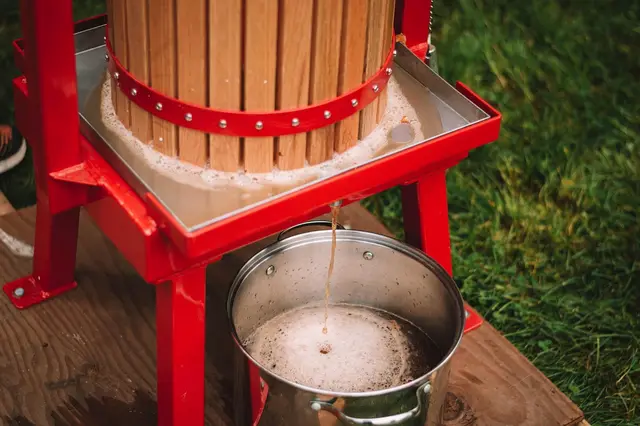
Press local apples and make small runs of cider to sell at markets, bottle shops and local pubs.
- A$6k-30k
- Side hustle
- From home
Pop-up ham and charcuterie stall
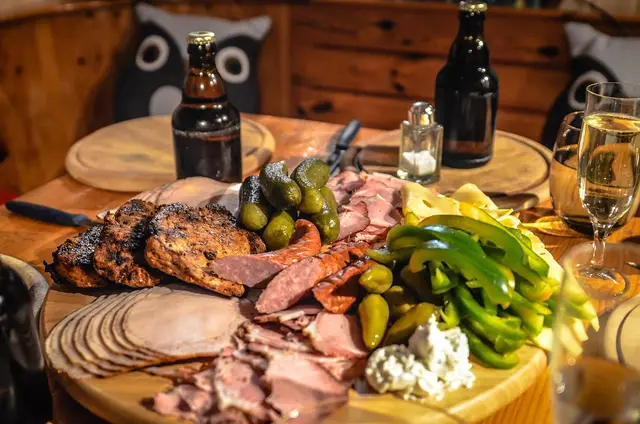
Serve sliced cured ham and charcuterie boards at markets, events and pop-ups before committing to a venue.
- A$8k-30k
- Side hustle
- Out and about

Deli market stall
Sell cheeses, cured meats, dips and antipasto from a stall at weekend markets.
- A$5k-25k
- Side hustle
- Out and about
Online grocery with local delivery
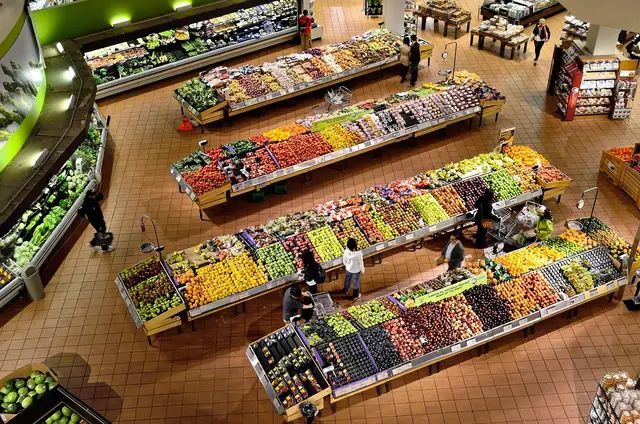
Take grocery orders online and deliver a curated range to homes in your local area.
- A$5k-25k
- Part-time
- Own premises

Online meat box delivery
Sell pre-portioned meat boxes online and deliver them chilled to local households, without a shopfront.
- A$5k-25k
- Part-time
- Online

Local wine distributor for small producers
Buy cases from small Australian wineries and deliver them to restaurants, bars and shops in your area.
- A$5k-25k
- Part-time
- Out and about
Photo: stevepb on Pixabay