Open a coin and banknote shop
Run a small shop that buys, sells and values coins, banknotes and bullion for walk-in customers.
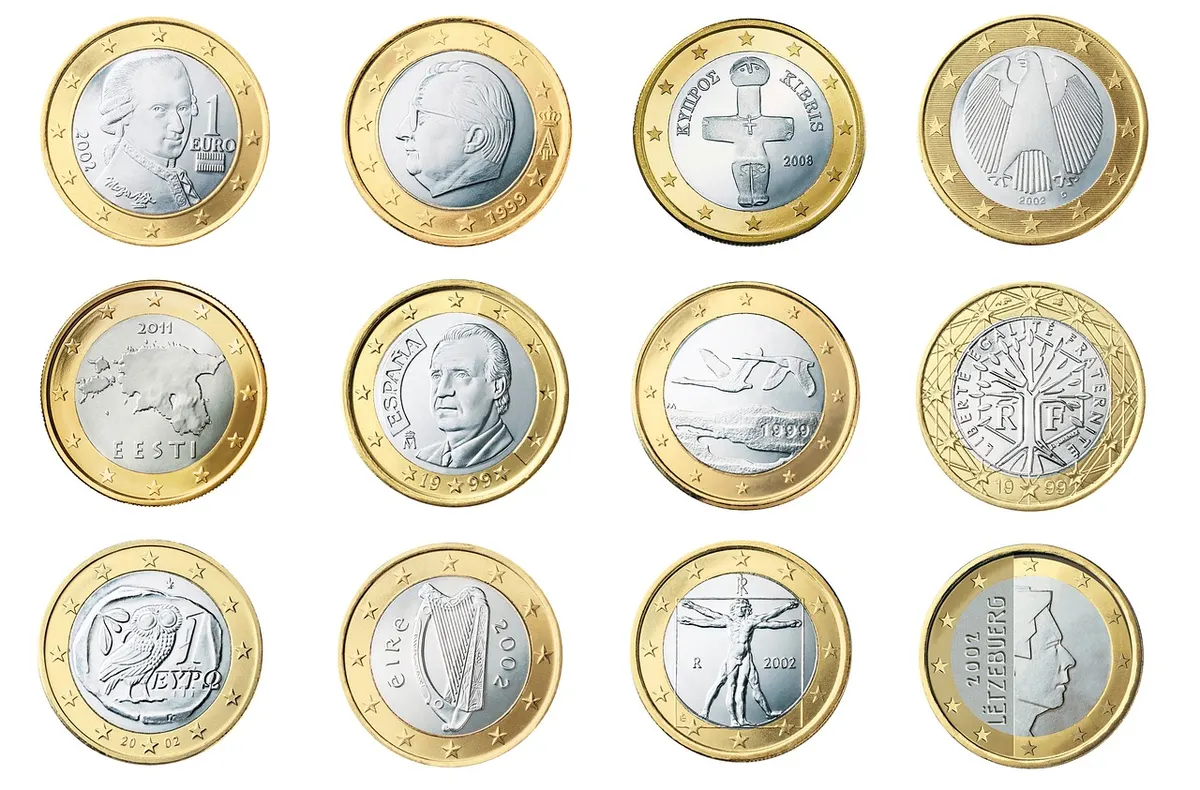
- A$25k-100k
- Full-time
- Own premises
Estimates for a small start in Australia, not guarantees.
What it is
A small retail shop with display cabinets, where you buy collections over the counter, sell coins, notes and supplies, and give valuations. Most shops also run an online store to reach further.
Your first three steps
- Work or volunteer at an established dealer, or join a numismatic society, to build knowledge and contacts
- Cost a small shop lease, display cabinets, a safe and security, plus the stock you would need to open
- Ask your state or territory fair trading or licensing body whether buying second-hand coins and notes requires a dealer licence or registration, and talk to an accountant about GST and record keeping before you sign a lease
Who pays
Collectors, investors buying bullion, families selling inherited collections and people after gifts or collecting supplies.
How it makes money
Margins on coins and notes sold, small premiums on bullion, and sales of albums, capsules and catalogues. Appraisal or consignment fees can add to this.
Skills that help
- Strong coin and banknote knowledge and grading
- Fair pricing and negotiating
- Security awareness and record keeping
- Customer service and building trust
Watch out for
- Second-hand dealer rules differ between states and territories, and some may cover buying coins and notes, so confirm with your state's fair trading or licensing body whether you need a licence or registration before you trade
- If you buy or sell bullion, check with AUSTRAC whether you must enrol as a reporting entity, and ask the ATO about GST treatment and record keeping
- Cash purchases may bring identity-check and record-keeping duties, so confirm what applies to you
- Theft and robbery risk, so check insurance for stock and security requirements
- Public liability insurance, and workers compensation once you hire staff
- Stock tied up in coins and falling metal or collector prices
- Counterfeits and possibly stolen items, so keep clear purchase records
Deep research report · Australia
Everything you need to start: coin and banknote shop
Researched with live web search for Australia: real startup prices, the licences and rules, what others charge, a break-even example, how to find your first customers and a 30-day launch plan. With sources.
- Startup costs with real prices
- Licences, registration and rules
- Pricing: what others charge
- Break-even example
- Finding your first customers
- 30-day launch plan
- Risks and how to reduce them
Questions people ask
How much does it cost to open a coin shop in Australia?
Estimates suggest startup costs typically around $25,000 to $100,000, depending on your premises, display cabinets, security, and how much stock you buy to get started.
Do I need a licence to run a coin and banknote shop in Australia?
Check before you trade. Second-hand dealer rules differ between states and territories, so ask your state's fair trading or licensing body about licences or registration. If you deal in bullion, also check AUSTRAC enrolment, GST treatment with the ATO, and cash purchase record-keeping.
How much can a coin shop make per month?
Estimates suggest monthly revenue typically around $8,000 to $30,000, depending on location, stock, and how much you buy and sell. These estimates assume about 35 hours a week or more, and revenue is before stock and running costs.
Other ways to run this business
Similar retail ideas

Maternity and nursing boutique shop
Open a small local shop where expectant mums can try on maternity and nursing clothes and get friendly advice.
- A$25k-100k
- Full-time
- Own premises
Children's furniture shop with a showroom
Open a small shop where parents can see, touch and try kids' beds, cots and desks before they buy.
- A$25k-100k
- Full-time
- Own premises
Local rug and floor covering shop
Open a small shop where homeowners and designers can see, feel and get advice on rugs for their space.
- A$25k-100k
- Full-time
- Own premises
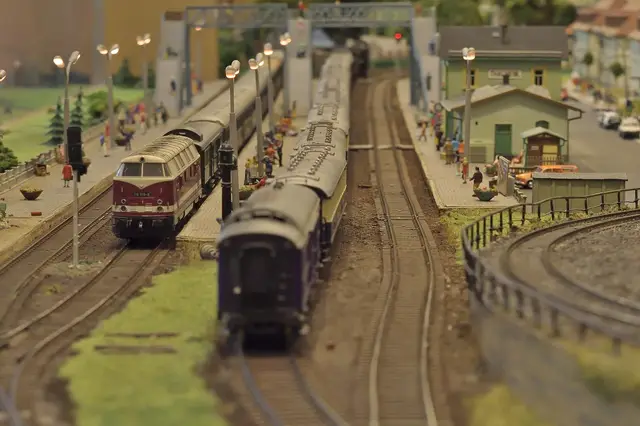
Model railway shop with a shopfront
Open a small hobby shop where modellers browse, get advice and order, backed up by online sales.
- A$25k-100k
- Full-time
- Own premises
Local cricket shop
Open a small shop near clubs and grounds selling gear, fitting pads and preparing bats.
- A$25k-100k
- Full-time
- Own premises
Wallpaper and decorating showroom
Open a small local shop where homeowners browse wallpaper books and trade decorators pick up rolls and supplies.
- A$30k-100k
- Full-time
- Own premises
Photo: stux on Pixabay