Start an online coin and banknote dealer
Buy, grade and sell coins and banknotes to collectors through online listings and the odd coin fair.
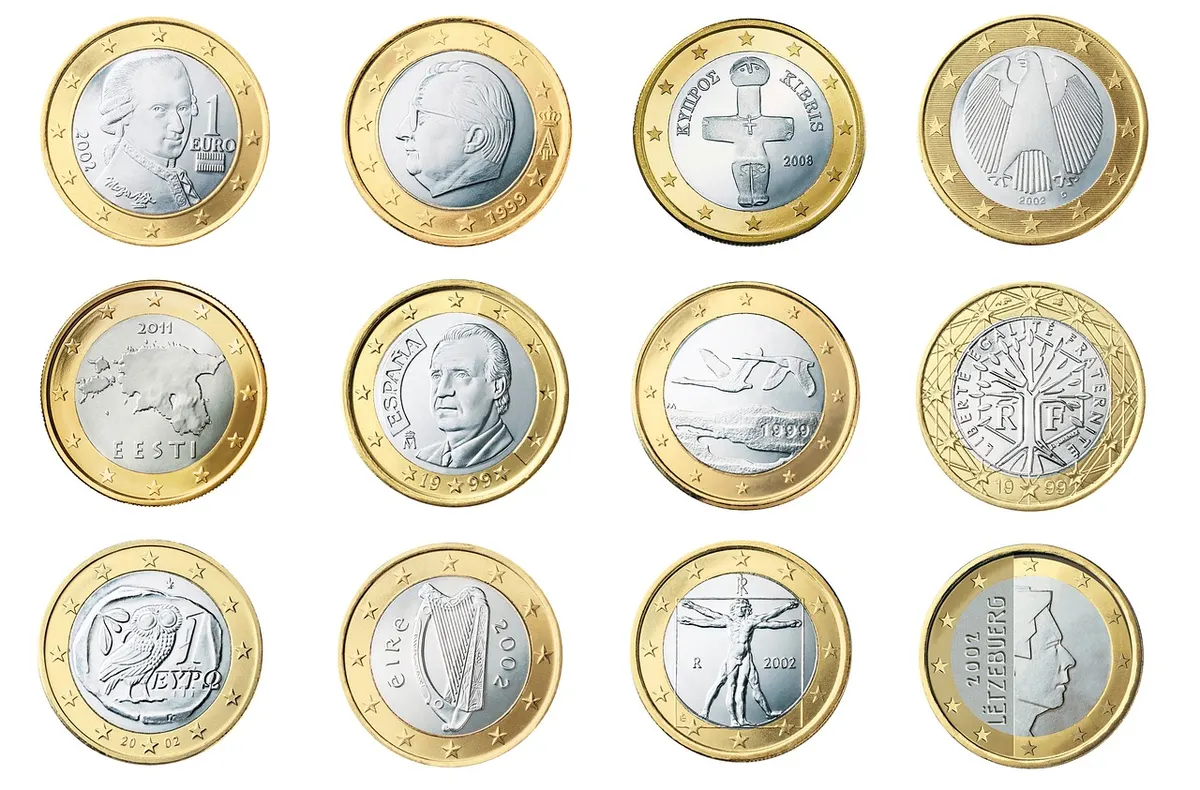
- A$2k-10k
- Side hustle
- From home
Estimates for a small start in Australia, not guarantees.
What it is
A home-based coin business. You buy collections and single pieces, research and describe them, then sell through online marketplaces, your own site or a table at coin fairs.
Your first three steps
- Pick a niche you know well, such as pre-decimal Australian coins or world banknotes, and study recent sold prices
- Buy a small starting stock, plus loupes, scales, holders and a good photo setup, then list your first 30 items
- Visit a local numismatic society or coin fair to meet dealers, learn to spot fakes and ask about taking a table
Who pays
Hobby collectors, people completing sets, gift buyers and people who have inherited a collection and want to sell it.
How it makes money
You make the margin between what you pay and what you sell for. Some money also comes from valuing or appraising collections for a fee.
Skills that help
- Knowing Australian and world coins and how to judge condition
- Careful research and honest descriptions
- Good photography and listing skills
- Negotiating fairly with sellers
Watch out for
- Second-hand dealer or pawnbroker licensing and registration rules differ between states and territories, and may or may not cover coins and banknotes. Check with your state or territory fair trading or licensing body before you start buying from the public
- If you buy from the public, you may have to keep records of who you bought from. Check your state or territory rules, and check AUSTRAC guidance on whether any anti-money-laundering obligations apply to you, especially for cash purchases
- GST treatment can differ for investment-grade precious metals and collectable items, so check with the ATO or an accountant, and register for an ABN (and for GST if you reach the threshold)
- Counterfeit and altered coins, and overpaying for stock, are the main financial risks
- Consider public liability insurance for fairs, and cover for stock in the post
- Check whether your council needs approval for a home-based business
Deep research report · Australia
Everything you need to start: online coin and banknote dealer
Researched with live web search for Australia: real startup prices, the licences and rules, what others charge, a break-even example, how to find your first customers and a 30-day launch plan. With sources.
- Startup costs with real prices
- Licences, registration and rules
- Pricing: what others charge
- Break-even example
- Finding your first customers
- 30-day launch plan
- Risks and how to reduce them
Questions people ask
How much does it cost to start an online coin dealing business in Australia?
Estimates suggest startup costs typically around $2,000 to $10,000, depending on how much stock you buy, your photography and listing setup, and whether you take tables at coin fairs.
Do I need a licence to buy coins from the public in Australia?
It depends on your state or territory, so check first. Second-hand dealer or pawnbroker rules may or may not cover coins and banknotes. Also check record-keeping duties, AUSTRAC guidance on cash purchases, and ABN and GST requirements.
How much can an online coin dealer earn in Australia?
Estimates suggest monthly revenue typically around $1,000 to $5,000, depending on the stock you buy, how well you describe and photograph it, and how many hours you put in, from about 10 hours a week.
Other ways to run this business
Similar retail ideas
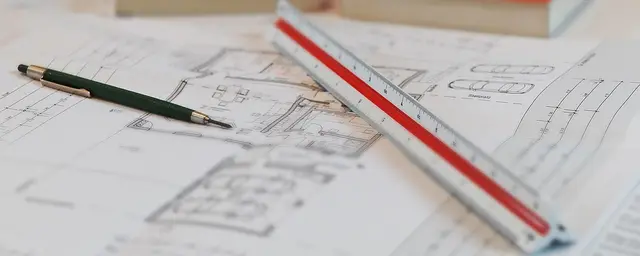
Online drafting and technical drawing supplies shop
Sell drawing boards, technical pens and scale rulers online to architecture, design and engineering students and studios.
- A$2k-10k
- Side hustle
- Online

Online maternity and nursing wear store
Sell maternity and breastfeeding clothing online to expectant mums across Australia, run from home.
- A$2k-10k
- Side hustle
- Online
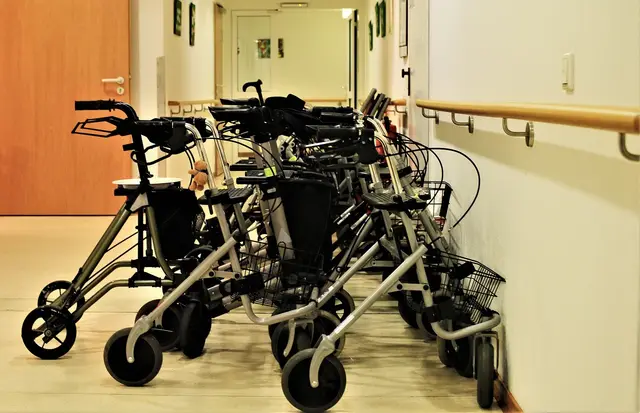
Online mobility aids and home care shop
Sell walking aids, bathroom safety gear and daily living aids online to families and carers, run from home.
- A$2k-10k
- Side hustle
- Online
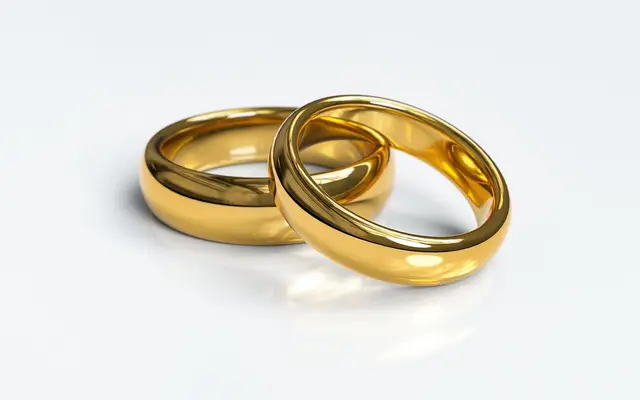
Home-based online jeweller
Sell jewellery online and at markets, with custom orders, repairs and engraving by appointment from home.
- A$2k-10k
- Side hustle
- From home
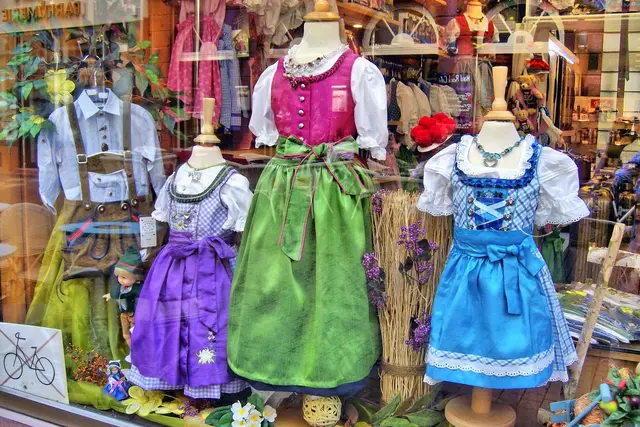
Folk costume stall at festivals and markets
Take a stall of traditional dress and accessories to multicultural festivals, community events and markets.
- A$2.5k-10k
- Side hustle
- Out and about
Online rug store
Sell rugs to homeowners and renters through your own website, shipped straight from a supplier or a small home stock.
- A$1.5k-10k
- Side hustle
- Online
Photo: stux on Pixabay