Local electrical supply shop and trade counter
Stock cable, lighting and fittings for local sparkies, builders and handy homeowners from a small shop or industrial unit.

- A$60k-250k
- Full-time
- Own premises
Estimates for a small start in Australia, not guarantees.
What it is
A small shop or trade counter in a light industrial area selling everyday electrical items: cable, switches, power points, circuit protection, lighting, conduit and fittings. You focus on fast service and the stock local tradies need first thing in the morning.
Your first three steps
- Talk to local electricians and builders about what they struggle to get nearby and what they would buy from you
- Contact a few wholesalers and distributors about trade accounts, minimum orders and pricing
- Price up a small unit or shopfront, including fit-out, shelving and opening stock, and write a simple cash flow plan
Who pays
Electricians, builders, maintenance crews and handy homeowners within a short drive of your shop.
How it makes money
You buy from wholesalers or manufacturers and sell at a margin. Regular trade accounts, cut-to-length cable and fast availability keep customers coming back.
Skills that help
- Knowing electrical products and what tradies need
- Stock control and ordering
- Friendly, quick customer service
Watch out for
- Stock is a big upfront cost, so start with fast-moving lines and avoid overbuying
- Check electrical equipment safety rules for suppliers, including compliance marking and any registration of equipment in your state
- Cable and fittings must meet Australian standards, so only buy from reputable suppliers
- Do not give installation advice you are not licensed to give, as electrical work needs a state licence
- Public liability and product liability insurance, plus shop and stock insurance
- Check zoning and council approval for your premises and signage
Deep research report · Australia
Everything you need to start: local electrical supply shop and trade counter
Researched with live web search for Australia: real startup prices, the licences and rules, what others charge, a break-even example, how to find your first customers and a 30-day launch plan. With sources.
- Startup costs with real prices
- Licences, registration and rules
- Pricing: what others charge
- Break-even example
- Finding your first customers
- 30-day launch plan
- Risks and how to reduce them
Questions people ask
How much does it cost to open an electrical supply shop?
Startup costs are typically around $60,000 to $250,000, depending on your premises, fit-out and opening stock. Stock is a big upfront cost, so start with fast-moving lines and avoid overbuying.
How much can an electrical trade counter earn?
Monthly revenue is typically around $30,000 to $150,000, depending on your location, range and how many local electricians, builders and homeowners you serve. Fast service and the right stock matter.
What rules apply to selling electrical products in Australia?
Check electrical equipment safety rules for suppliers, including compliance marking and any registration of equipment in your state. Cable and fittings must meet Australian standards, and electrical installation advice needs a state licence, so check what you can say.
Other ways to run this business
Similar retail ideas
Small pawn shop with secure storage
Lend cash against jewellery, tools and electronics, then sell items that aren't collected.
- A$90k-250k
- Full-time
- Own premises

Licensed firearms and shooting shop
Run a small licensed shop selling firearms, ammunition and gear to local hunters, farmers and sport shooters.
- A$50k-250k
- Full-time
- Own premises
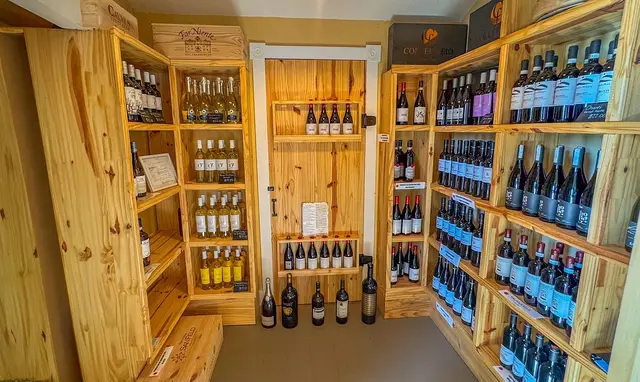
Independent neighbourhood wine shop
Run a small local shop selling wine, spirits and craft drinks, with friendly advice and a hand-picked range.
- A$60k-250k
- Full-time
- Own premises

Neighbourhood Chinese grocery store
Open a small shop selling Chinese pantry staples, fresh produce and household goods to your local community.
- A$60k-250k
- Full-time
- Own premises
Coffee and snack kiosk in a busy spot
Run a small kiosk selling coffee, drinks and grab-and-go snacks to commuters and passing foot traffic.
- A$60k-250k
- Full-time
- Own premises
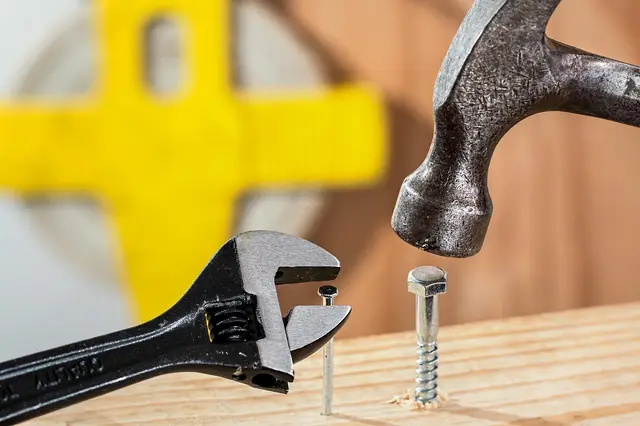
Neighbourhood hardware and DIY shop
Run a small local shop selling tools, paint and fixings, with friendly advice big stores can't match.
- A$50k-250k
- Full-time
- Own premises