Local general store
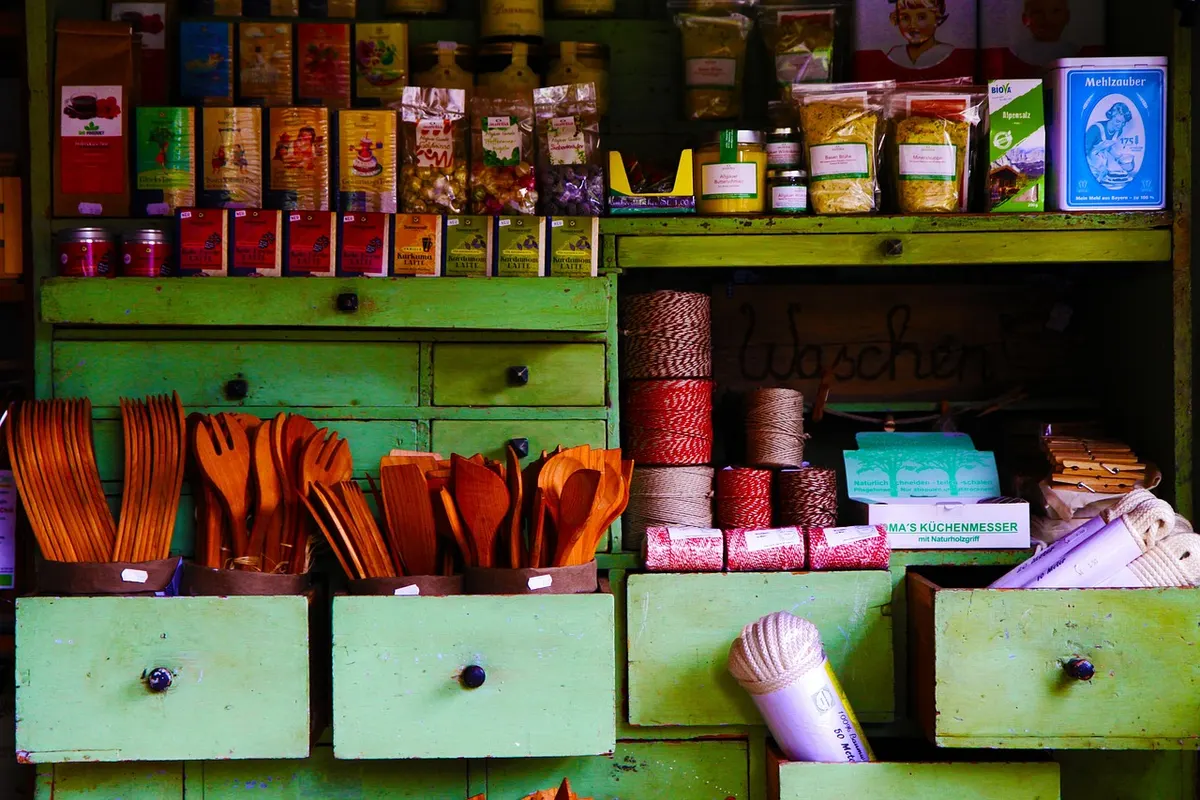
Run a small shop selling groceries, household basics and daily essentials to people in your suburb or town.
- A$40k-150k
- Full-time
- Own premises
- Licence or permit needed
Estimates for a small start in Australia, not guarantees.
What it is
A small shop stocking everyday items: milk, bread, pantry staples, cleaning products, toiletries, stationery and local favourites. You can lease a shop and start fresh, or buy an existing store. Many are in small towns or suburbs where the nearest supermarket is a drive away.
Your first three steps
- Study two or three possible locations: count nearby homes, check what the nearest supermarket and servo already offer, and ask locals what is missing
- Get quotes from wholesalers, work out your likely margins, and build a simple budget covering rent, stock, fit-out and wages
- Talk to a commercial lease or business broker, and an accountant, before signing a lease or buying an existing store
Who pays
Local residents, passing traffic, tradies, tourists and people who want a quick top-up shop close to home.
How it makes money
You buy stock from wholesalers and suppliers and sell at a mark-up. Extras such as hot drinks, ice, gas bottles or a parcel drop-off point can add steady sales.
Skills that help
- Customer service
- Stock ordering and pricing
- Basic bookkeeping
- Managing rosters and long opening hours
Watch out for
- Selling food usually means registering with your local council and meeting food safety rules, so check what applies to you
- Tobacco, alcohol, lottery and similar products often need separate state or territory licences, check with your state's licensing body
- Lease terms, rent reviews and shop zoning, ask a solicitor to review before signing
- If buying an existing store, check the real sales and profit figures with an accountant first
- Supermarkets can undercut prices, so think about what will make people choose you
- Public liability, stock and theft insurance, plus workers compensation once you hire
- Award wages and penalty rates apply to retail staff, and long hours are common in the early years
Deep research report · Australia
Everything you need to start: local general store
Researched with live web search for Australia: real startup prices, the licences and rules, what others charge, a break-even example, how to find your first customers and a 30-day launch plan. With sources.
- Startup costs with real prices
- Licences, registration and rules
- Pricing: what others charge
- Break-even example
- Finding your first customers
- 30-day launch plan
- Risks and how to reduce them
Questions people ask
How much does it cost to start a general store in Australia?
Startup costs are typically around $40,000 to $150,000, depending on whether you lease a new shop or buy an existing store, plus fit-out and opening stock. These are estimates, so check real figures for any store you consider buying with an accountant.
How much revenue can a local general store make?
Monthly revenue is typically around $20,000 to $80,000, depending on your location, range, opening hours and passing trade. That is revenue, not profit, and supermarket pricing can put pressure on margins. Plan on at least 40 hours a week, often more.
What licences and rules should I check before opening a general store?
Check council registration and food safety rules if you sell food, and separate state or territory licences for tobacco, alcohol or lottery products. Also check lease terms and zoning with a solicitor, insurance, and award wages and penalty rates for retail staff.
Other ways to run this business
Similar retail ideas

Local outdoor gear shop
Open a small shop selling hiking, camping and climbing gear, with advice from someone who uses it.
- A$40k-150k
- Full-time
- Own premises

Snowboard shop in a snow town or city
Open a small shop selling snowboards and clothing, near the snowfields or in a city where riders gear up.
- A$40k-150k
- Full-time
- Own premises

Local welding supply shop
Open a small trade counter selling welding gear, consumables and safety wear to tradies and workshops nearby.
- A$40k-150k
- Full-time
- Own premises
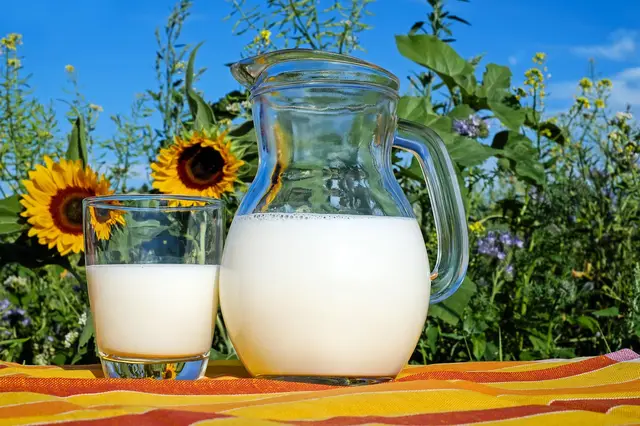
Local dairy and cheese shop
Run a small shop stocking fresh milk, cheese, eggs and dairy goods from local producers.
- A$40k-150k
- Full-time
- Own premises
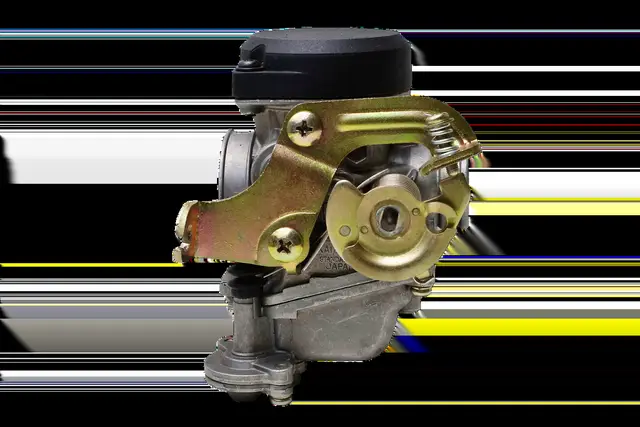
Motorcycle parts and riding gear shop
Open a local shop stocking parts, accessories and riding gear for riders and nearby workshops.
- A$40k-150k
- Full-time
- Own premises
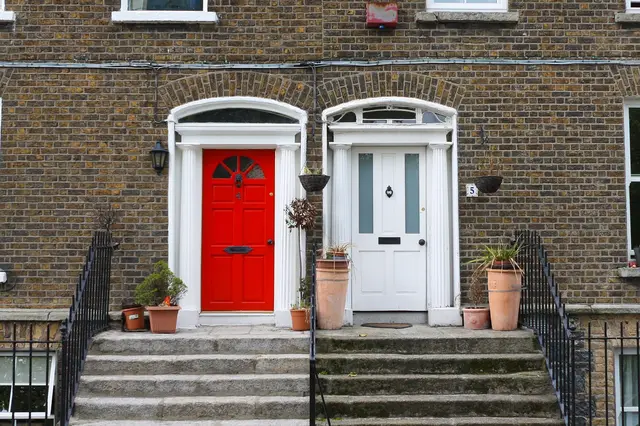
Door and hardware showroom
Open a small shop selling interior and exterior doors and fittings to local homeowners, builders and renovators.
- A$30k-150k
- Full-time
- Own premises
Photo: 4262159 on Pixabay