Neighbourhood gourmet grocery shop
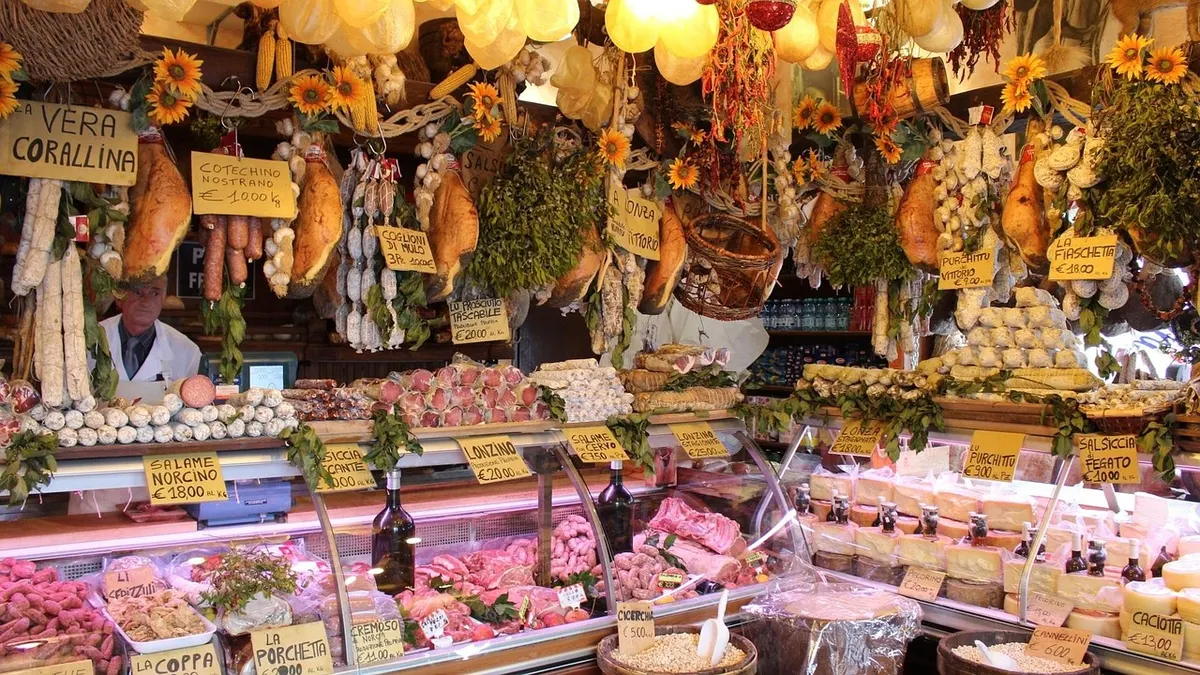
Run a small shop stocking specialty cheese, cured meats and imported pantry foods for local food lovers.
- A$60k-250k
- Full-time
- Own premises
- Licence or permit needed
Estimates for a small start in Australia, not guarantees.
What it is
A small shop selling premium and specialist foods: cheese, charcuterie, olives, imported pantry items, quality oils, preserves and gift hampers. Many owners add a small deli counter, tastings and a few local producer lines.
Your first three steps
- Walk nearby shopping strips to find a suburb with food-focused shoppers and no strong gourmet competitor, then check lease costs
- Talk to wholesalers, importers and local producers about minimum orders, pricing and delivery
- Write a simple budget covering fit-out, opening stock, rent and wages, and check council food registration requirements before signing a lease
Who pays
Food-focused locals, people shopping for dinner parties and gifts, and nearby cafes or workplaces ordering platters.
How it makes money
Retail margin on products, with higher margins on cut-to-order cheese and meats, gift hampers and platters. Regular customers and seasonal peaks such as Christmas drive a lot of sales.
Skills that help
- Knowing and enjoying specialty food
- Buying and stock control
- Customer service and recommending products
- Basic bookkeeping
Watch out for
- Food business registration with your local council and food safety rules in your state, including whether you need a food safety supervisor
- Cold chain and storage: cheese and cured meats need proper refrigeration and careful handling
- Stock that spoils or doesn't sell, so start with a tight range and order small
- Lease terms, rent increases and fit-out costs
- Public liability and product liability insurance, plus stock and equipment cover
- Labelling rules for packaged goods you make up yourself, such as hampers or repacked items
Deep research report · Australia
Everything you need to start: neighbourhood gourmet grocery shop
Researched with live web search for Australia: real startup prices, the licences and rules, what others charge, a break-even example, how to find your first customers and a 30-day launch plan. With sources.
- Startup costs with real prices
- Licences, registration and rules
- Pricing: what others charge
- Break-even example
- Finding your first customers
- 30-day launch plan
- Risks and how to reduce them
Questions people ask
How much does it cost to open a gourmet grocery shop?
Estimates suggest startup costs typically sit around $60,000 to $250,000, depending on the premises, fit-out, refrigeration and how much opening stock you buy. Starting with a tight range and small orders can help.
How much revenue can a gourmet grocery shop make?
Monthly revenue is typically estimated at around $20,000 to $90,000, depending on location, range and whether you add a deli counter or hampers. Stock that spoils or doesn't sell can eat into what you keep.
What rules apply to running a gourmet food shop?
Check food business registration with your local council and your state's food safety rules, including whether you need a food safety supervisor. Also check labelling rules for packaged goods you make up yourself, lease terms and insurance.
Other ways to run this business

Similar food ideas

Hong Kong-style cafe (cha chaan teng)
Open a small cafe serving milk tea, French toast and baked rice dishes to locals and students.
- A$60k-250k
- Full-time
- Own premises
Small vegan cafe-restaurant
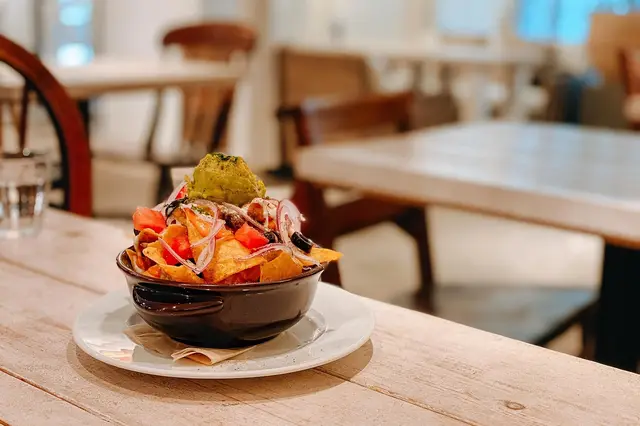
Run a compact eat-in venue serving plant-based lunches and dinners to vegans and curious locals.
- A$50k-250k
- Full-time
- Own premises

Neighbourhood butcher shop
Run a small local butcher selling fresh cuts, sausages and marinated meats to households and nearby cafes.
- A$60k-250k
- Full-time
- Own premises
Japanese sweets café
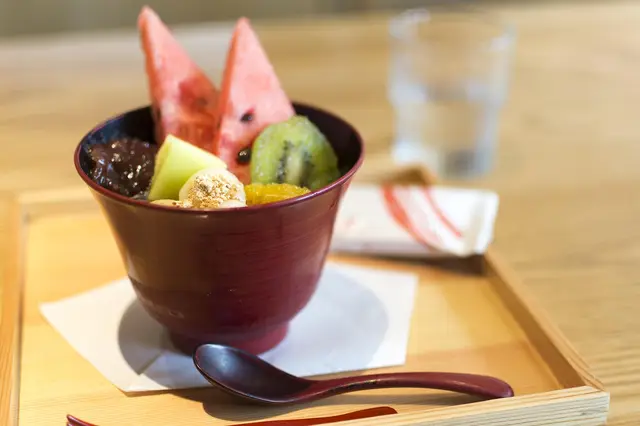
Run a small café serving wagashi, mochi, matcha desserts and Japanese teas to locals and visitors.
- A$60k-250k
- Full-time
- Own premises
Cidery with a cellar door
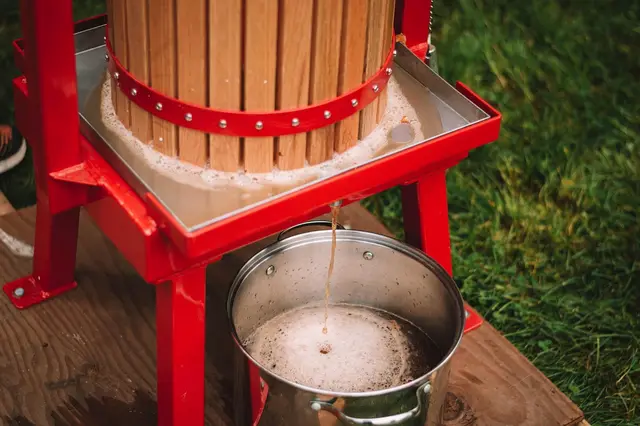
Run a small cidery on an orchard or in a unit, selling to pubs and shops and pouring tastings for visitors.
- A$60k-250k
- Full-time
- Own premises

Neighbourhood chocolate cafe
Open a cosy cafe built around hot chocolate, chocolate desserts and sweet treats for dine-in customers.
- A$60k-250k
- Full-time
- Own premises
Photo: GBSurf on Pixabay