Start a korean grocery shop
Open a small shop stocking Korean pantry staples, sauces, noodles and snacks for local households and restaurants.

- A$40k-150k
- Full-time
- Own premises
- Licence or permit needed
Estimates for a small start in Australia, not guarantees.
What it is
A small shopfront selling Korean ingredients and packaged goods such as gochujang, kimchi, rice, noodles, seaweed, snacks and drinks, plus some fresh and frozen lines.
Your first three steps
- Visit Korean grocers and wholesalers to learn which products sell, and ask importers for trade price lists and minimum orders
- Scout shopfronts near suburbs with Korean or Asian communities and students, and work out your rent against likely sales
- Register an ABN, check your council's food business requirements, and arrange public liability and stock insurance
Who pays
Korean and other Asian households, home cooks keen on Korean food, and nearby restaurants and cafes buying ingredients in bulk.
How it makes money
Retail margin on each item sold, plus larger regular orders from restaurants and cafes. Fresh, frozen and in-demand lines bring customers back often.
Skills that help
- Knowing Korean food products and brands
- Stock ordering and cash flow
- Customer service
- Basic bookkeeping
Watch out for
- Food business registration with your local council, and food safety rules for anything fresh, chilled or frozen
- Imported food labelling rules, including English labels and ingredient or allergen details. Check with your state food authority and the Department of Agriculture
- Public liability and stock insurance, plus cold chain equipment costs
- Commercial lease terms, rent and fit-out costs, and the cash tied up in stock
- Short-dated stock that can expire before it sells
Deep research report · Australia
Everything you need to start: korean grocery shop
Researched with live web search for Australia: real startup prices, the licences and rules, what others charge, a break-even example, how to find your first customers and a 30-day launch plan. With sources.
- Startup costs with real prices
- Licences, registration and rules
- Pricing: what others charge
- Break-even example
- Finding your first customers
- 30-day launch plan
- Risks and how to reduce them
Questions people ask
How much does it cost to start a Korean grocery shop in Australia?
Startup costs are typically around $40,000 to $150,000, depending on the shop size, fit-out, cold chain equipment and how much opening stock you buy. These are estimates, so build your own budget with quotes and lease terms.
How much revenue can a Korean grocery shop make?
Estimated monthly revenue is typically around $15,000 to $60,000, depending on location, range and whether you supply nearby restaurants and cafes. This is revenue, not profit, so rent, stock and wages come out of it.
What rules should I check before opening a Korean grocery shop?
Check food business registration with your local council and food safety rules for fresh, chilled or frozen items. Also check imported food labelling, including English labels and allergen details, with your state food authority and the Department of Agriculture.
Other ways to run this business
Similar food ideas

Frozen food maker supplying shops and cafes
Run a small registered production unit making frozen meals or desserts for delis, cafes, grocers and caterers.
- A$40k-150k
- Full-time
- Own premises
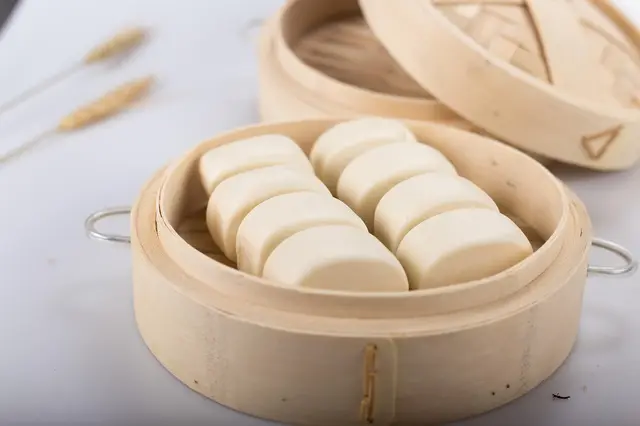
Steamed bun takeaway shop
Open a small shopfront selling freshly steamed buns to walk-in and lunchtime customers.
- A$40k-150k
- Full-time
- Own premises
Dessert shop with a small shopfront
Open a small shop selling cakes, puddings and sweet treats to walk-in customers and event orders.
- A$30k-150k
- Full-time
- Own premises

Small produce wholesale unit with a coolroom
Run a small leased unit with cold storage, supplying greengrocers and food businesses with fresh produce in bulk.
- A$40k-150k
- Full-time
- Own premises
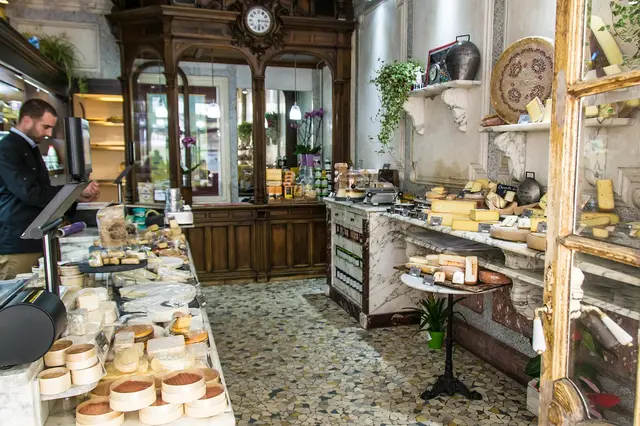
Neighbourhood deli shop
Sell sliced meats, cheeses, antipasto and ready-to-eat food from a small local shopfront.
- A$40k-150k
- Full-time
- Own premises
Local meat supply run by refrigerated van
Buy boxed meat from processors and deliver it to local cafes, caterers and small butchers on a regular run.
- A$50k-150k
- Part-time
- Out and about