Handmade leather goods for shops
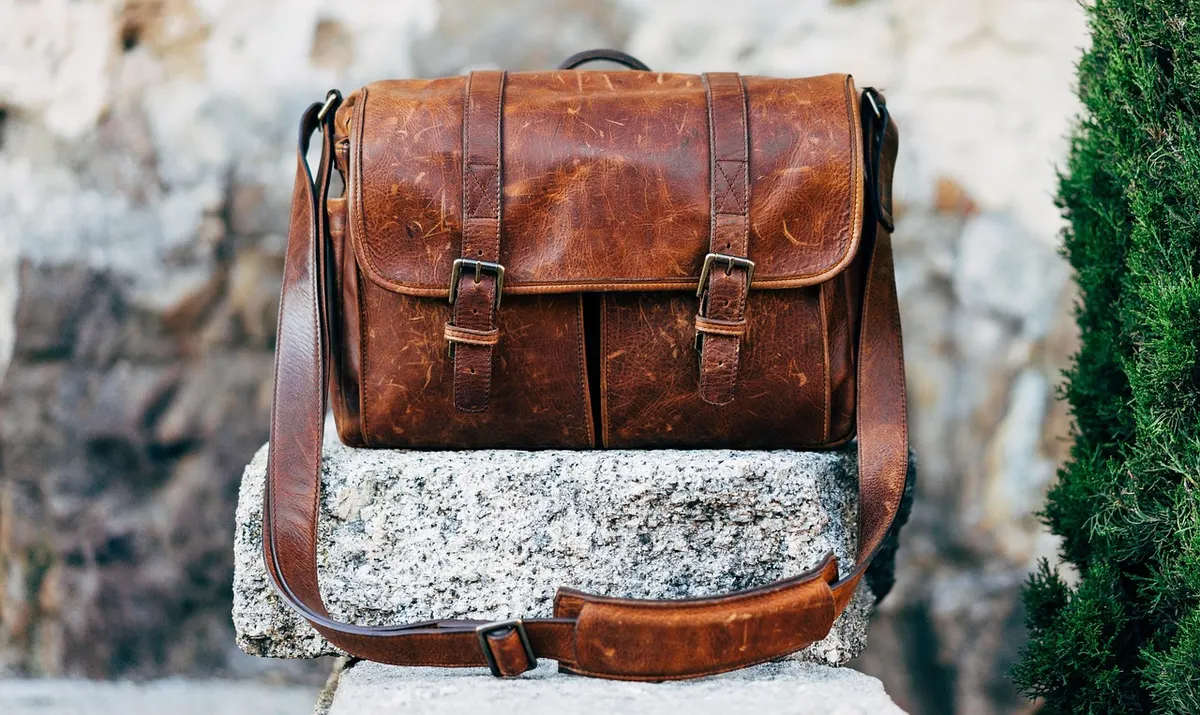
Make belts, wallets and bags in small batches and supply them to shops and brands that want local, handmade stock.
- A$4k-20k
- Part-time
- Own premises
Estimates for a small start in Australia, not guarantees.
What it is
You make finished leather goods in a small workshop or studio and supply them to retailers, resellers and other brands, either under your own label or made to their design.
Your first three steps
- Settle on a small range of three to five products you can make consistently and cost each one
- Find a leather supplier and buy enough hide for a first batch of samples
- Take samples to local shops and ask what price and order size would work for them
Who pays
Boutiques, gift and homeware shops, tourist outlets, hospitality venues wanting branded items and small brands needing a local maker.
How it makes money
Wholesale price per item with minimum orders, plus custom or branded runs for businesses. Higher prices are possible for well-made, locally made goods.
Skills that help
- Leatherworking: cutting, stitching and finishing
- Product design and consistent quality
- Pricing your time and materials
- Selling to retailers
Watch out for
- Check council rules for running a workshop at home or renting a unit, including noise and zoning
- Public liability and product liability insurance
- If you say 'Australian made', check the ACCC rules on country of origin claims
- Wholesale prices leave thinner margins, so cost your time carefully
- Machine and cutting tool safety, plus ventilation when using glues and dyes
🔒 Full research report for Australia
Real cost breakdown with current prices, licences and registration checklist, local competition, pricing, break-even and a 30-day launch plan, with sources.
Coming soonQuestions people ask
How much does it cost to start making leather goods for shops?
Startup costs are estimated at typically around $4,000 to $20,000, depending on your tools, machines, leather stock and whether you work from home or rent a unit.
What rules should I check before making leather goods to sell?
Check council rules for a workshop at home or in a rented unit, including noise and zoning. Check public liability and product liability insurance, and ACCC rules if you say "Australian made". Also check machine and cutting tool safety, and ventilation when using glues and dyes.
How much can a handmade leather goods maker earn?
Estimates suggest monthly revenue of typically around $2,000 to $9,000, depending on your range, batch sizes and number of shop customers. Wholesale prices leave thinner margins, so cost your time carefully. Plan on at least around 15 hours a week.
Other ways to run this business
Similar making and manufacturing ideas
Home-based short-run digital printer
Print brochures, flyers and stationery in small runs for local businesses from a spare room or garage.
- A$5k-20k
- Side hustle
- From home
Online metal and fixings supplier for small workshops
Sell cut-to-size metal, fixings and consumables to small fabricators online, with stock sent direct from your wholesalers.
- A$3k-15k
- Side hustle
- Online

Custom branded souvenirs for events and tourism
Produce branded keepsakes in bulk for attractions, tour operators and event organisers.
- A$5k-25k
- Part-time
- Own premises
Online wholesale supplier of plastic products
Buy plastic packaging and everyday items in bulk and sell them online to local trade customers.
- A$3k-15k
- Side hustle
- Online
Custom covers and upholstery workshop
Make fitted covers, cushions and upholstered pieces to order for homes, cafes and boat or caravan owners.
- A$5k-25k
- Part-time
- Own premises
Mobile food machinery service and repair
Service, repair and install commercial food machines at customers' sites, and supply parts and refurbished units.
- A$5k-25k
- Part-time
- Out and about
Photo: Pexels on Pixabay