Mexican grocery shop
Open a small shop stocking Mexican pantry staples, spices and fresh produce for local households and cooks.

- A$40k-150k
- Full-time
- Own premises
- Licence or permit needed
Estimates for a small start in Australia, not guarantees.
What it is
A small neighbourhood shop selling Mexican groceries such as dried chillies, masa harina, tortillas, salsas, beans, spices and drinks, plus fresh items like limes, coriander and chillies where you can source them.
Your first three steps
- Talk to local Latin American customers and community groups to find which products they struggle to buy, and check where other shops are located
- Contact importers and wholesalers to compare prices, minimum orders and delivery terms
- Shortlist shop sites, then check with the council about food business registration and fit-out rules before signing a lease
Who pays
Mexican and Latin American households, home cooks, food-curious locals and small cafes or taquerias buying a few items.
How it makes money
Retail margin on each item sold. Regular staples bring repeat customers, and specialty or hard-to-find products can carry higher margins.
Skills that help
- Knowing Mexican ingredients and what customers use them for
- Buying and stock control
- Customer service
- Basic bookkeeping
Watch out for
- Food business registration with your local council and any food safety supervisor or training rules in your state
- Imported food must meet Australian biosecurity, labelling and allergen rules, check with the Department of Agriculture and Food Standards Australia New Zealand
- Fresh Mexican produce can be hard to source locally, so check supply and waste risk
- Lease terms, public liability insurance and stock spoilage costs
- GST registration once turnover reaches the threshold
Deep research report · Australia
Everything you need to start: mexican grocery shop
Researched with live web search for Australia: real startup prices, the licences and rules, what others charge, a break-even example, how to find your first customers and a 30-day launch plan. With sources.
- Startup costs with real prices
- Licences, registration and rules
- Pricing: what others charge
- Break-even example
- Finding your first customers
- 30-day launch plan
- Risks and how to reduce them
Questions people ask
How much does it cost to open a Mexican grocery shop in Australia?
Startup costs are typically estimated at around $40,000 to $150,000, depending on the lease and fit-out, how much stock you buy and the size of the shop. Treat this as a rough estimate and get your own quotes before committing.
What rules should I check before opening a Mexican grocery shop?
Check food business registration with your local council and any food safety supervisor or training rules in your state. Imported food must meet Australian biosecurity, labelling and allergen rules, so check with the Department of Agriculture and Food Standards Australia New Zealand. Also check GST registration.
How much can a Mexican grocery shop earn?
Monthly revenue is typically estimated at around $15,000 to $60,000, depending on location, range, pricing and how well you manage stock and spoilage. The estimate assumes from about 35 hours a week, and revenue is not the same as profit.
Other ways to run this business
Similar food ideas

Frozen food maker supplying shops and cafes
Run a small registered production unit making frozen meals or desserts for delis, cafes, grocers and caterers.
- A$40k-150k
- Full-time
- Own premises

Steamed bun takeaway shop
Open a small shopfront selling freshly steamed buns to walk-in and lunchtime customers.
- A$40k-150k
- Full-time
- Own premises
Dessert shop with a small shopfront
Open a small shop selling cakes, puddings and sweet treats to walk-in customers and event orders.
- A$30k-150k
- Full-time
- Own premises

Small produce wholesale unit with a coolroom
Run a small leased unit with cold storage, supplying greengrocers and food businesses with fresh produce in bulk.
- A$40k-150k
- Full-time
- Own premises
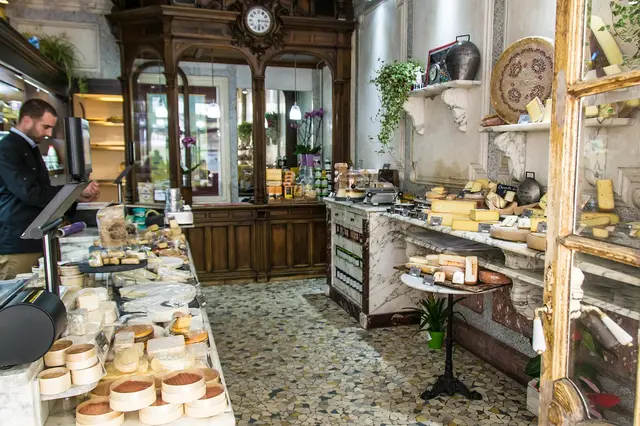
Neighbourhood deli shop
Sell sliced meats, cheeses, antipasto and ready-to-eat food from a small local shopfront.
- A$40k-150k
- Full-time
- Own premises
Local meat supply run by refrigerated van
Buy boxed meat from processors and deliver it to local cafes, caterers and small butchers on a regular run.
- A$50k-150k
- Part-time
- Out and about