Renovate-and-Sell property investor
Buy a tired property, improve it with licensed trades, then sell for a gain or rent it out.

- A$150k-600k
- Part-time
- Out and about
Estimates for a small start in Australia, not guarantees.
What it is
You buy a run-down home, manage cosmetic or larger renovations using licensed tradespeople, then sell it, or rent it out if the numbers work better. Often done through a company or a small partnership.
Your first three steps
- Study recent sales in two or three suburbs and note what renovated homes sell for compared with unrenovated ones
- Build a simple budget template covering purchase costs, works, holding costs and selling fees, and have an accountant check the tax side
- Line up a finance broker and a few reliable licensed trades before you make an offer
Who pays
Buyers pay the sale price, or tenants pay rent if you keep it. Lenders and sometimes co-investors fund the purchase and works.
How it makes money
The gain between your total costs (purchase, stamp duty, renovation, holding and selling costs) and the sale price. Income is lumpy: nothing for months, then one sale.
Skills that help
- Project and budget management
- Negotiating with sellers, agents and trades
- Eye for what buyers want in a local area
Watch out for
- Renovations often run over budget or time, so allow a buffer
- Check which works need council approval and which trades need a state licence; owner-builder rules differ by state
- Tax on profits from buying to sell can differ from holding long term, and GST can apply in some cases: get advice from an accountant
- Interest and holding costs keep running while the property is unsold
- Taking money from outside investors may bring financial services rules, so check with a solicitor first
Deep research report · Australia
Everything you need to start: renovate-and-sell property investor
Researched with live web search for Australia: real startup prices, the licences and rules, what others charge, a break-even example, how to find your first customers and a 30-day launch plan. With sources.
- Startup costs with real prices
- Licences, registration and rules
- Pricing: what others charge
- Break-even example
- Finding your first customers
- 30-day launch plan
- Risks and how to reduce them
Questions people ask
How much does it cost to start renovating and selling property in Australia?
Startup costs are typically around $150,000 to $600,000, depending on the purchase price, the scale of the renovation and how much is funded by lenders or co-investors. Renovations often run over budget, so allow a buffer.
How much can a renovate-and-sell investor earn?
Monthly revenue is typically around $3,000 to $15,000, depending on the property, renovation quality and whether you sell or rent. Interest and holding costs keep running while a property is unsold.
What rules should I check before renovating to sell?
Check which works need council approval and which trades need a state licence, as owner-builder rules differ by state. Get accountant advice on tax and GST, and check with a solicitor first if taking money from outside investors.
Other ways to run this business
Similar business services ideas
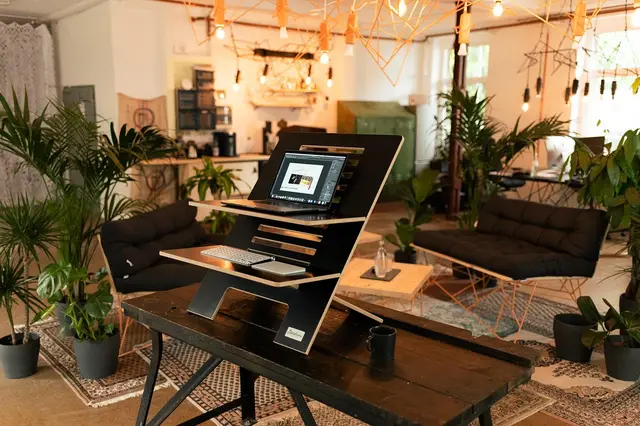
Coworking hub with bookable meeting rooms
Run a larger shared workspace with desks, private offices and meeting rooms paid by the month or by the hour.
- A$150k-500k
- Full-time
- Own premises
Small financial advice practice with an office
Run a small advice firm from a local office with a team, under your own licence.
- A$150k-300k
- Full-time
- Own premises

Local insurance brokerage with a small office
Open a small shopfront or office brokerage with a few staff, serving local households and businesses face to face.
- A$60k-250k
- Full-time
- Own premises

Full-time coffee vending route
Run a bigger route of bean-to-cup machines across offices, venues and sites, with a van and supplier deals.
- A$80k-250k
- Full-time
- Out and about
Trade wine storage for merchants and restaurants
Offer cool, secure pallet storage to small wine merchants, restaurants and producers who lack space or a proper cellar.
- A$40k-200k
- Full-time
- Own premises
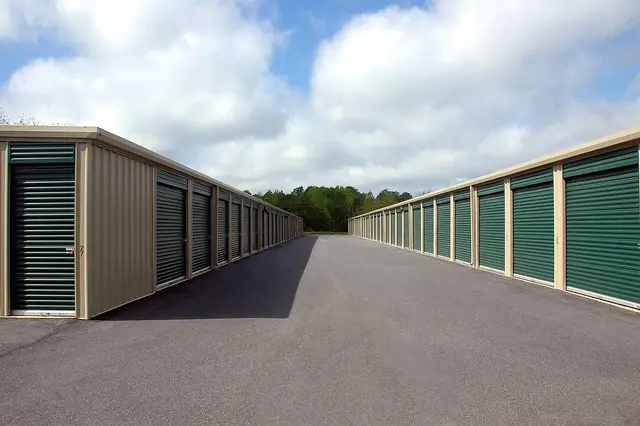
Small self-storage units in a leased shed
Fit out an industrial shed or warehouse with lockable units and rent them monthly.
- A$40k-200k
- Part-time
- Own premises