Small local tuition centre
Rent a small space and run weekly small-group classes helping students prepare for school and exam goals.

- A$8k-35k
- Part-time
- Own premises
Estimates for a small start in Australia, not guarantees.
What it is
A small shopfront or room where students come after school or on weekends for group classes, exam preparation and practice papers in subjects like maths, English and science.
Your first three steps
- Pick your subjects and year levels, then check what nearby centres charge and teach
- Find a small room or shopfront to lease and check the council allows tutoring there
- Run a free trial class or practice test for local families to fill your first groups
Who pays
Parents and carers of primary and high school students, including those preparing for selective school tests, NAPLAN or final-year exams.
How it makes money
Weekly or termly fees per student, with extra income from holiday intensives and practice exam workshops.
Skills that help
- Strong subject knowledge
- Teaching and explaining clearly
- Talking with parents
- Organising timetables and groups
Watch out for
- Working with Children Check requirements for you and any staff in your state or territory
- Public liability insurance and lease terms for the premises
- Council approval or zoning for education use of the space, check with your local council
- Workers compensation insurance and employment rules if you hire tutors
- Demand peaks around exam seasons, so plan for quieter months
🔒 Full research report for Australia
Real cost breakdown with current prices, licences and registration checklist, local competition, pricing, break-even and a 30-day launch plan, with sources.
Coming soonQuestions people ask
How much does it cost to start a tuition centre in Australia?
Startup costs are typically around $8,000 to $35,000, depending on your premises, furniture and teaching materials. These are estimates, so check lease terms carefully before signing.
How much can a small tuition centre earn?
Monthly revenue is typically around $3,000 to $15,000, depending on class sizes, how many groups you run and your fees. These are estimates, and demand peaks around exam seasons, so plan for quieter months.
What rules should I check before opening a tuition centre?
Check Working with Children Check requirements for you and any staff in your state or territory. Also check council approval or zoning for education use, public liability insurance, lease terms, and workers compensation and employment rules if you hire tutors.
Other ways to run this business
Similar teaching and tutoring ideas
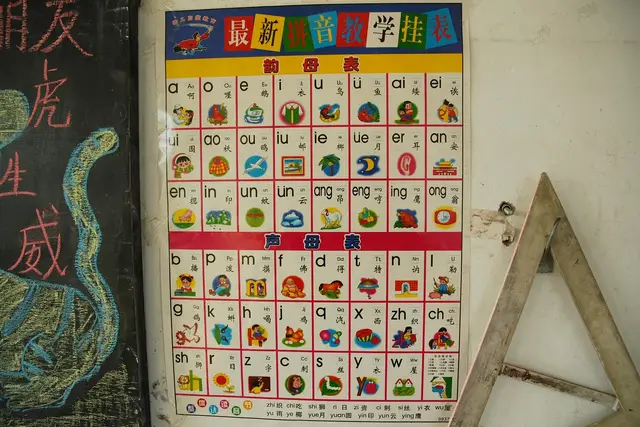
Chinese language school with its own rooms
Lease a small teaching space and run Chinese classes on weekdays after school, plus weekends.
- A$8k-35k
- Full-time
- Own premises

Drum school with its own studio
Rent a small unit with a few practice rooms and teach drumming to many students.
- A$8k-35k
- Full-time
- Own premises

Small software training centre
Run scheduled software courses from a small rented training room, with several instructors.
- A$8k-35k
- Full-time
- Own premises
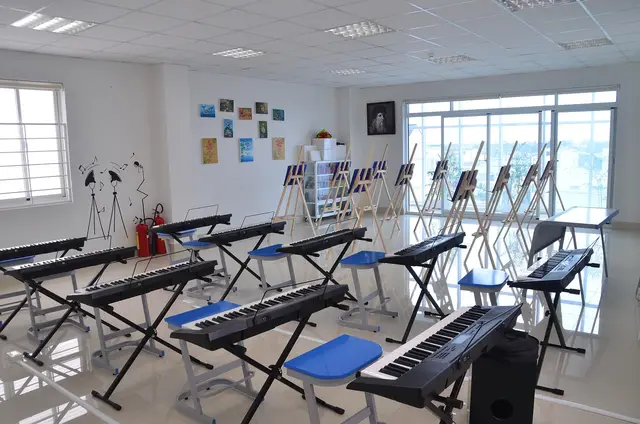
Small music school with teaching rooms
Rent a small space and run a school with several teachers covering different instruments.
- A$8k-40k
- Full-time
- Own premises

Hands-on cabling and fibre workshops
Run short practical courses in cabling and fibre skills for new tradies and employers' staff.
- A$6k-30k
- Part-time
- Own premises
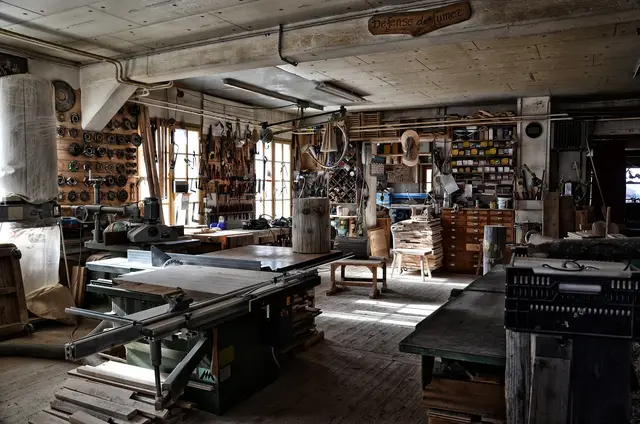
Beginner woodworking classes in a small workshop
Run evening and weekend woodworking classes for beginners from a rented unit or shared workshop.
- A$8k-30k
- Part-time
- Own premises
Photo: picjumbo_com on Pixabay