Small grain farm on rented land
Rent a few hundred acres, grow wheat, oats or canola, and hire custom operators for the heavy machinery work.

- C$120k-400k
- Part-time
- Own premises
Estimates for a small start in Canada, not guarantees.
What it is
Growing cereals or oilseeds such as wheat, barley, oats or canola on rented farmland. Instead of buying a full line of machinery, you hire custom operators for seeding, spraying and harvest, and you handle the crop planning and marketing yourself.
Your first three steps
- Talk to local farmers, an agronomist and your provincial agriculture ministry about which crops suit your area and soil
- Look for land to rent through neighbours, farm auctions or local farm classifieds, and price out a full crop budget
- Line up custom operators, a grain buyer and a crop insurance quote before signing a lease
Who pays
Grain elevators, grain merchants and crushing or milling companies that buy the crop at harvest or under contract.
How it makes money
You sell the harvested crop by the tonne or bushel at market or contract prices. Profit is what remains after rent, seed, fertilizer, chemicals, custom work and insurance. Income arrives mainly after harvest, so monthly figures are averaged over the year.
Skills that help
- Crop planning and agronomy basics
- Budgeting and cash flow management
- Negotiating land rental and grain sales
- Comfortable working outdoors and around machinery
Watch out for
- Crop insurance and income stabilization programs differ by province, so check what you qualify for as a new farmer
- Farm business registration is required in some provinces, so check with your provincial agriculture ministry
- Pesticide application usually needs provincial certification, or you must hire a licensed applicator
- Weather, input costs and grain prices can swing, and a bad year can leave you with a loss
- Short or informal land leases can end suddenly, so get terms in writing and consider legal advice
- Check farm liability insurance and tax treatment, including GST/HST, with an accountant
- You must fund rent, seed, fertilizer, chemicals and custom work for the whole season before harvest income arrives, so arrange operating credit or enough savings in advance
Deep research report · Canada
Everything you need to start: small grain farm on rented land
Researched with live web search for Canada: real startup prices, the licences and rules, what others charge, a break-even example, how to find your first customers and a 30-day launch plan. With sources.
- Startup costs with real prices
- Licences, registration and rules
- Pricing: what others charge
- Break-even example
- Finding your first customers
- 30-day launch plan
- Risks and how to reduce them
Questions people ask
How much does it cost to start a small grain farm in Canada?
Startup costs are typically estimated at around $120,000 to $400,000, depending on acreage, rent, inputs and custom work. You must fund rent, seed, fertilizer, chemicals and custom work before harvest income arrives, so arrange operating credit or savings.
What rules should I check before farming rented grain land?
Things to check include farm business registration in your province, pesticide application certification or hiring a licensed applicator, and crop insurance and income stabilization programs for new farmers. Get land lease terms in writing and consider legal advice.
How much can a small rented-land grain farm earn?
Monthly revenue is typically estimated at around $3,000 to $15,000, depending on crop, yields and grain prices. Weather, input costs and prices can swing, and a bad year can leave you with a loss.
Other ways to run this business

Similar farming and garden ideas
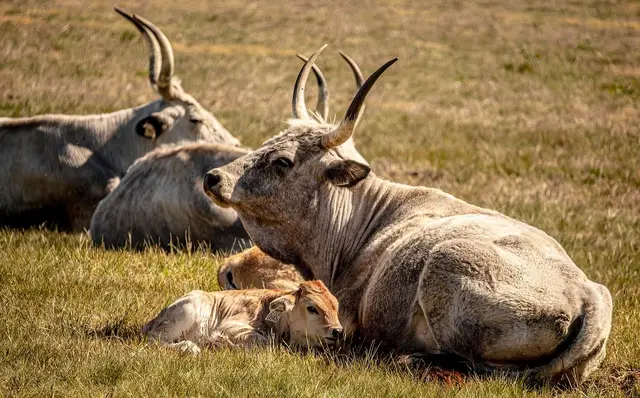
Beef cow-calf herd on grazing land
Keep a herd of beef cows on owned or leased pasture and sell the calves each year.
- C$120k-450k
- Part-time
- Own premises

Feeder cattle dealer
Buy and sell feeder cattle between ranches, backgrounders and feedlots, earning the margin on each load.
- C$100k-500k
- Full-time
- Out and about

Goat or sheep dairy with on-farm creamery
Keep a small milking herd and make cheese or yogurt on your own land, sold direct to local customers.
- C$60k-300k
- Full-time
- Own premises

Cow-calf herd selling calves
Keep a breeding herd on leased or owned land and sell weaned calves to feedlots, dealers or other farmers.
- C$60k-300k
- Part-time
- Own premises
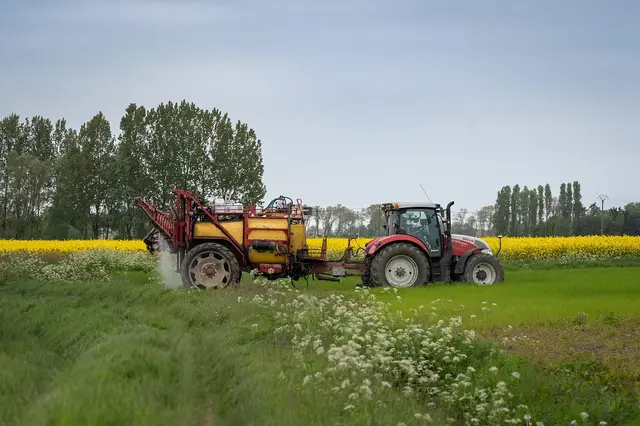
Rural farm supply shop and parts counter
Open a small shop or unit near farming communities selling tools, parts and equipment, with delivery and advice.
- C$150k-500k
- Full-time
- Own premises

Stud farm offering stallion breeding services
Stand a proven stallion at your farm and earn breeding fees from mare owners, alongside selling your own foals.
- C$60k-250k
- Part-time
- Own premises
Photo: Pexels on Pixabay