Rural farm supply shop and parts counter
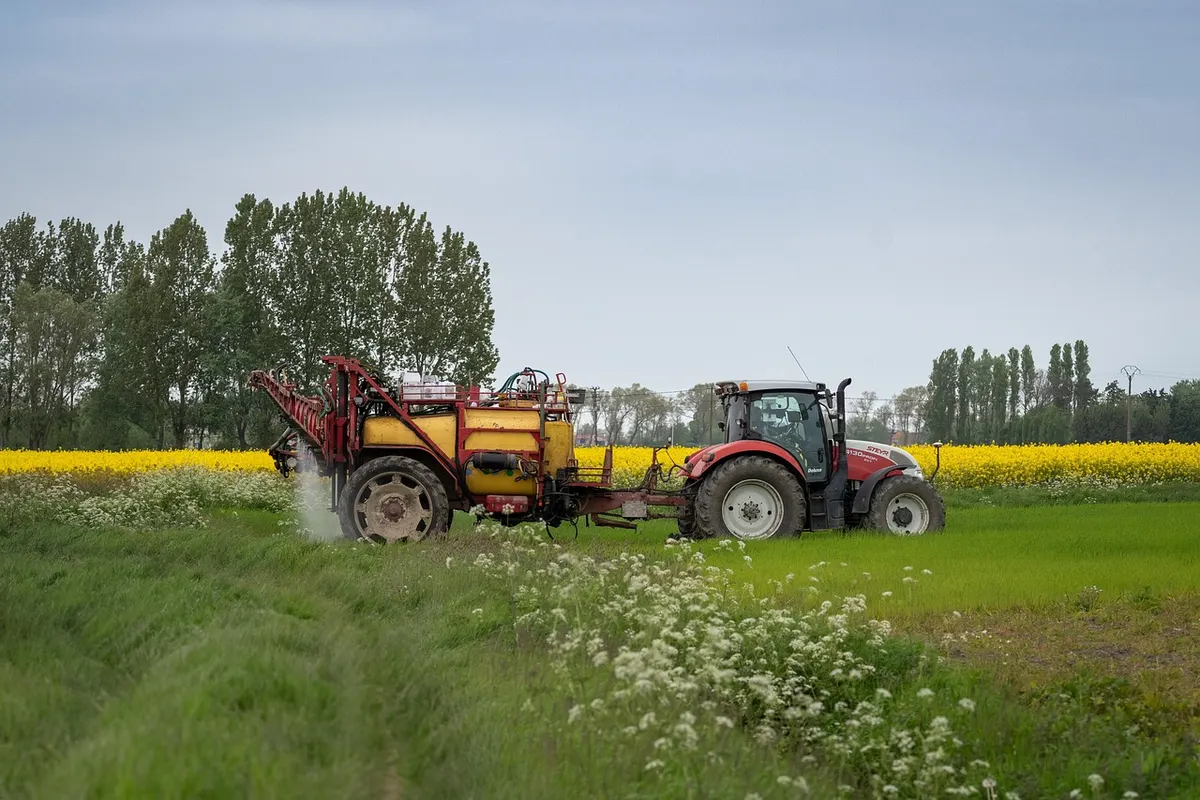
Open a small shop or unit near farming communities selling tools, parts and equipment, with delivery and advice.
- C$150k-500k
- Full-time
- Own premises
Estimates for a small start in Canada, not guarantees.
What it is
A small premises with a parts counter, a range of tools and fast-moving parts, and possibly a few small machines or attachments. You offer local pick-up, farm delivery and practical advice, and can order special items in for customers.
Your first three steps
- Look at who already supplies your area and find the gaps, such as longer opening hours, specific brands or faster parts ordering
- Price up a small unit or shop rent and a starter stock list, and ask wholesalers about trade accounts and supplier terms
- Write a simple business plan and speak to a lender or Futurpreneur or Farm Credit Canada about funding options
Who pays
Local farmers, hobby farm owners, ranchers, and rural contractors who prefer buying close to home and getting same-day help.
How it makes money
Mark-up on parts, tools and equipment, plus delivery fees. Many suppliers add a small workshop or sharpening and fitting services over time.
Skills that help
- Good knowledge of farm equipment
- Stock control and buying
- Customer service and sales
- Managing cash flow through seasons
Watch out for
- Commercial general liability, property and stock insurance, plus WCB/WSIB coverage once you hire (rules vary by province)
- Check local zoning, signage and business licence rules with your municipality
- Stock tied up in slow-moving items can strain cash, so start narrow
- Large dealers and online sellers compete on price, so service and speed matter
- If you sell fuel, chemicals or fertilizer, check provincial and federal rules for storage and sale
- Check any dealer agreements with brands before using their names
Deep research report · Canada
Everything you need to start: rural farm supply shop and parts counter
Researched with live web search for Canada: real startup prices, the licences and rules, what others charge, a break-even example, how to find your first customers and a 30-day launch plan. With sources.
- Startup costs with real prices
- Licences, registration and rules
- Pricing: what others charge
- Break-even example
- Finding your first customers
- 30-day launch plan
- Risks and how to reduce them
Questions people ask
How much does it cost to start a farm supply shop?
Startup costs are typically estimated at around $150,000 to $500,000, depending on your premises, the range of stock you carry and any small machines or attachments. Stock tied up in slow-moving items can strain cash, so starting narrow helps.
How much revenue can a rural farm supply shop make?
Monthly revenue is typically estimated at around $15,000 to $75,000, depending on your range, location and customer base. Large dealers and online sellers compete on price, so service, speed and local advice matter.
What licences and rules should I check for a farm supply shop?
Check local zoning, signage and business licence rules with your municipality, plus commercial general liability, property and stock insurance, and WCB/WSIB once you hire. If you sell fuel, chemicals or fertilizer, check provincial and federal storage and sale rules, and any brand dealer agreements.
Other ways to run this business

Farm parts and tools supplier with delivery
Source and deliver filters, wear parts, hand tools and small equipment to farms in your region, run from home.
- C$3k-15k
- Side hustle
- From home

Used farm equipment and attachments dealer
Buy, check and resell used tools, implements and attachments to farmers who want good machines at lower prices.
- C$15k-75k
- Side hustle
- Out and about
Similar farming and garden ideas
Feeder cattle dealer
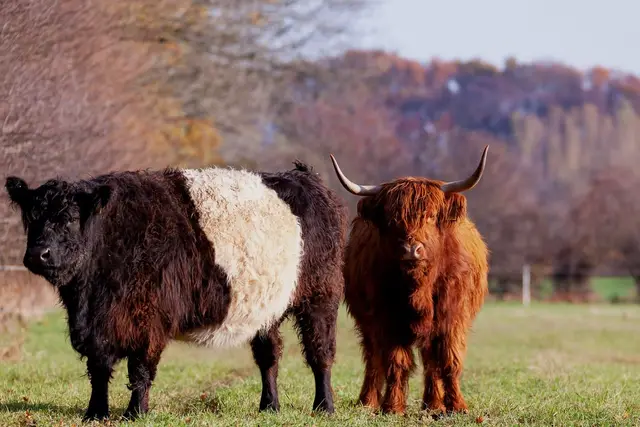
Buy and sell feeder cattle between ranches, backgrounders and feedlots, earning the margin on each load.
- C$100k-500k
- Full-time
- Out and about

Beef cow-calf herd on grazing land
Keep a herd of beef cows on owned or leased pasture and sell the calves each year.
- C$120k-450k
- Part-time
- Own premises

Small grain farm on rented land
Rent a few hundred acres, grow wheat, oats or canola, and hire custom operators for the heavy machinery work.
- C$120k-400k
- Part-time
- Own premises
Goat or sheep dairy with on-farm creamery
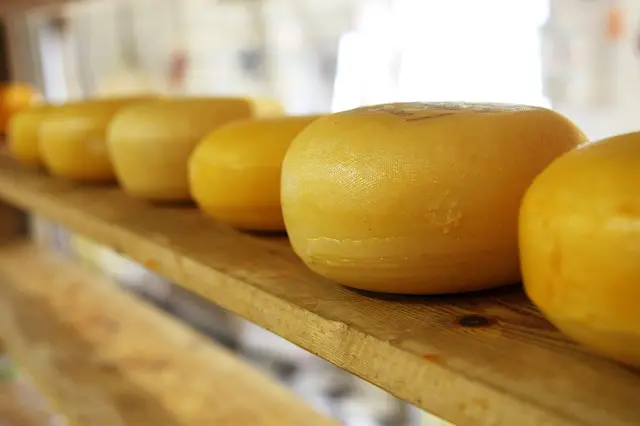
Keep a small milking herd and make cheese or yogurt on your own land, sold direct to local customers.
- C$60k-300k
- Full-time
- Own premises
Cow-calf herd selling calves
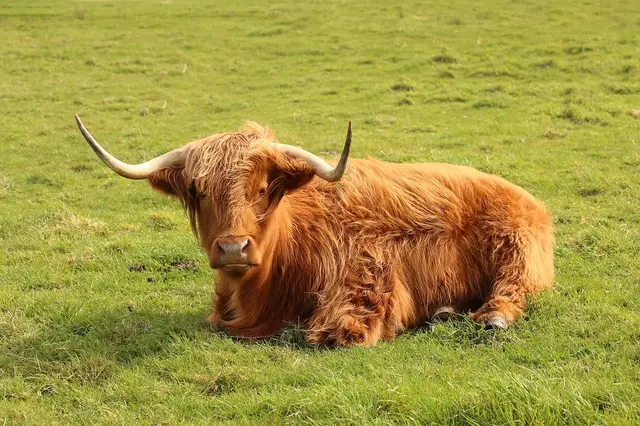
Keep a breeding herd on leased or owned land and sell weaned calves to feedlots, dealers or other farmers.
- C$60k-300k
- Part-time
- Own premises

Stud farm offering stallion breeding services
Stand a proven stallion at your farm and earn breeding fees from mare owners, alongside selling your own foals.
- C$60k-250k
- Part-time
- Own premises
Photo: dendoktoor on Pixabay