Feeder cattle dealer
Buy and sell feeder cattle between ranches, backgrounders and feedlots, earning the margin on each load.
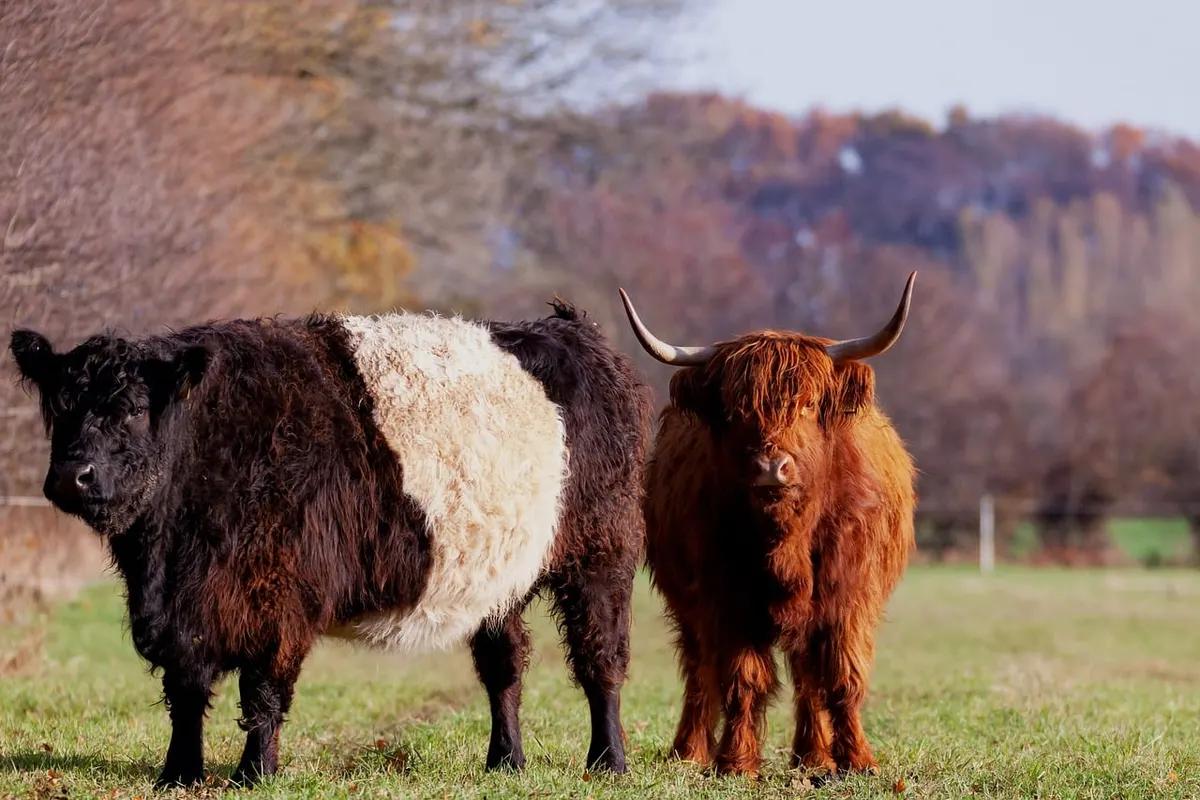
- C$100k-500k
- Full-time
- Out and about
- Licence or permit needed
Estimates for a small start in Canada, not guarantees.
What it is
A full-time dealing business: you buy cattle from ranches, auctions or private sellers and sell them on to feedlots, backgrounders or other producers. You arrange trucking, health paperwork and payment on each deal.
Your first three steps
- Contact your provincial livestock regulator about dealer licensing, bonding and trust or payment protection requirements
- Spend time at auction marts and with feedlot buyers to learn what they pay for and who buys what
- Line up financing or working capital and a reliable trucker, then arrange insurance before your first load
Who pays
Feedlots, backgrounding operations, cow-calf producers and other farms that want cattle of a certain weight, breed or quality.
How it makes money
You earn the spread between buy and sell price per head, after trucking, shrink, feed, interest and fees. Some dealers also take a commission when arranging sales for others.
Skills that help
- Grading cattle by eye and weight
- Tracking markets and negotiating
- Managing cash flow and risk
- Logistics and trucking coordination
Watch out for
- Dealer licences, bonds and payment protection rules differ by province, check your provincial regulator
- Cattle identification, traceability and movement reporting rules, check the CFIA
- Humane transport rules and trucker qualifications
- Commercial general liability, cargo or livestock cover and vehicle insurance, ask a broker who knows agriculture
- A single truckload of feeder cattle can cost well into six figures, so you need a credit line or working capital for at least one or two loads, plus bonding; selling loads to buyers before you buy reduces the capital tied up
- Large sums tied up in each deal, so a price drop, sick animals or a buyer default can cause serious losses
- Business Number and GST/HST registration, check how livestock sales are treated
Deep research report · Canada
Everything you need to start: feeder cattle dealer
Researched with live web search for Canada: real startup prices, the licences and rules, what others charge, a break-even example, how to find your first customers and a 30-day launch plan. With sources.
- Startup costs with real prices
- Licences, registration and rules
- Pricing: what others charge
- Break-even example
- Finding your first customers
- 30-day launch plan
- Risks and how to reduce them
Questions people ask
How much capital do you need to become a feeder cattle dealer?
Startup costs are typically around $100,000 to $500,000, depending on your working capital, credit line and bonding. A single truckload can cost well into six figures. Selling loads to buyers before you buy reduces the capital tied up.
What licences and rules apply to cattle dealing in Canada?
Dealer licences, bonds and payment protection rules differ by province, so check your provincial regulator. Also check cattle identification, traceability and movement reporting rules with the CFIA, humane transport rules, trucker qualifications and GST/HST treatment of livestock sales.
What can a feeder cattle dealer expect to earn?
Monthly revenue is estimated at around $3,000 to $15,000, with at least around 30 hours a week of work. Large sums are tied up in each deal, so a price drop, sick animals or a buyer default can cause serious losses.
Other ways to run this business

Similar farming and garden ideas
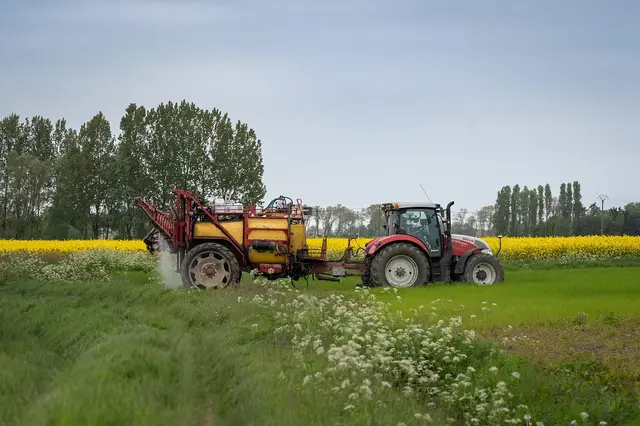
Rural farm supply shop and parts counter
Open a small shop or unit near farming communities selling tools, parts and equipment, with delivery and advice.
- C$150k-500k
- Full-time
- Own premises
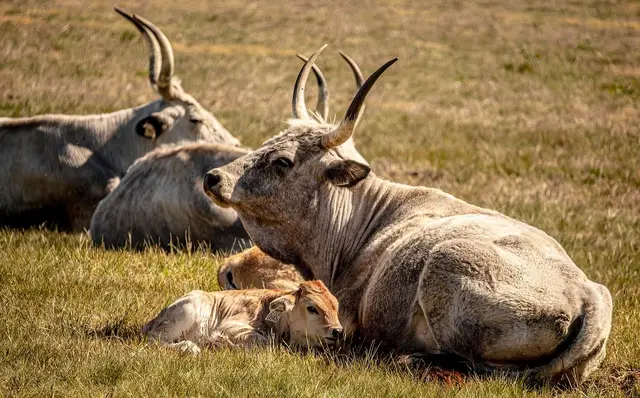
Beef cow-calf herd on grazing land
Keep a herd of beef cows on owned or leased pasture and sell the calves each year.
- C$120k-450k
- Part-time
- Own premises
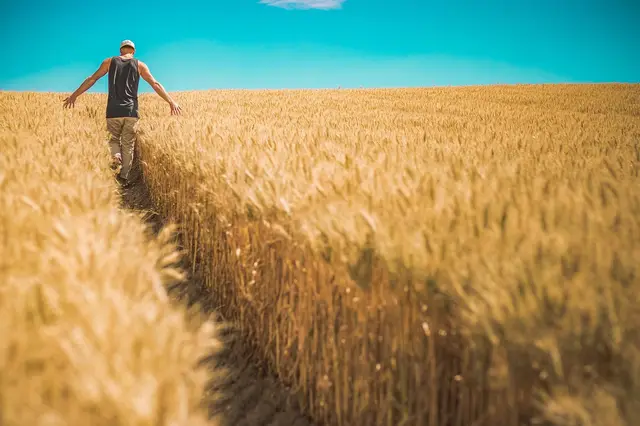
Small grain farm on rented land
Rent a few hundred acres, grow wheat, oats or canola, and hire custom operators for the heavy machinery work.
- C$120k-400k
- Part-time
- Own premises
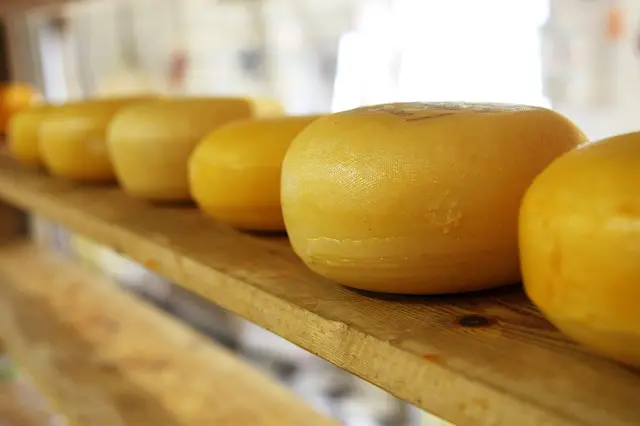
Goat or sheep dairy with on-farm creamery
Keep a small milking herd and make cheese or yogurt on your own land, sold direct to local customers.
- C$60k-300k
- Full-time
- Own premises
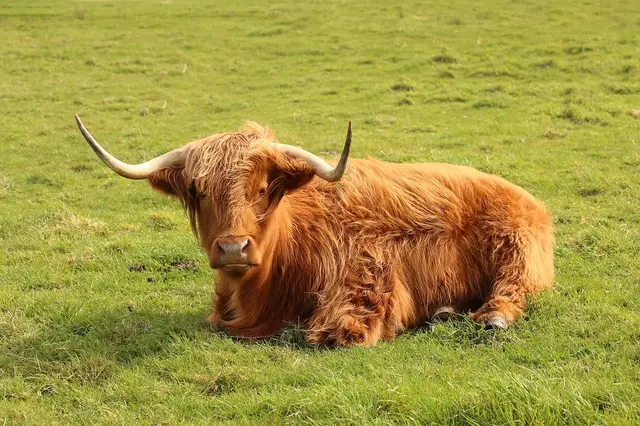
Cow-calf herd selling calves
Keep a breeding herd on leased or owned land and sell weaned calves to feedlots, dealers or other farmers.
- C$60k-300k
- Part-time
- Own premises
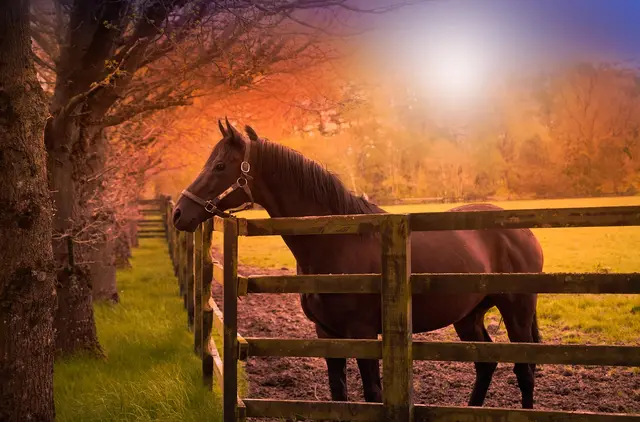
Stud farm offering stallion breeding services
Stand a proven stallion at your farm and earn breeding fees from mare owners, alongside selling your own foals.
- C$60k-250k
- Part-time
- Own premises
Photo: Andhoj on Pixabay