Independent loose diamond broker
Source certified loose diamonds for independent jewellers and private buyers, often on memo, and earn a margin on each sale.
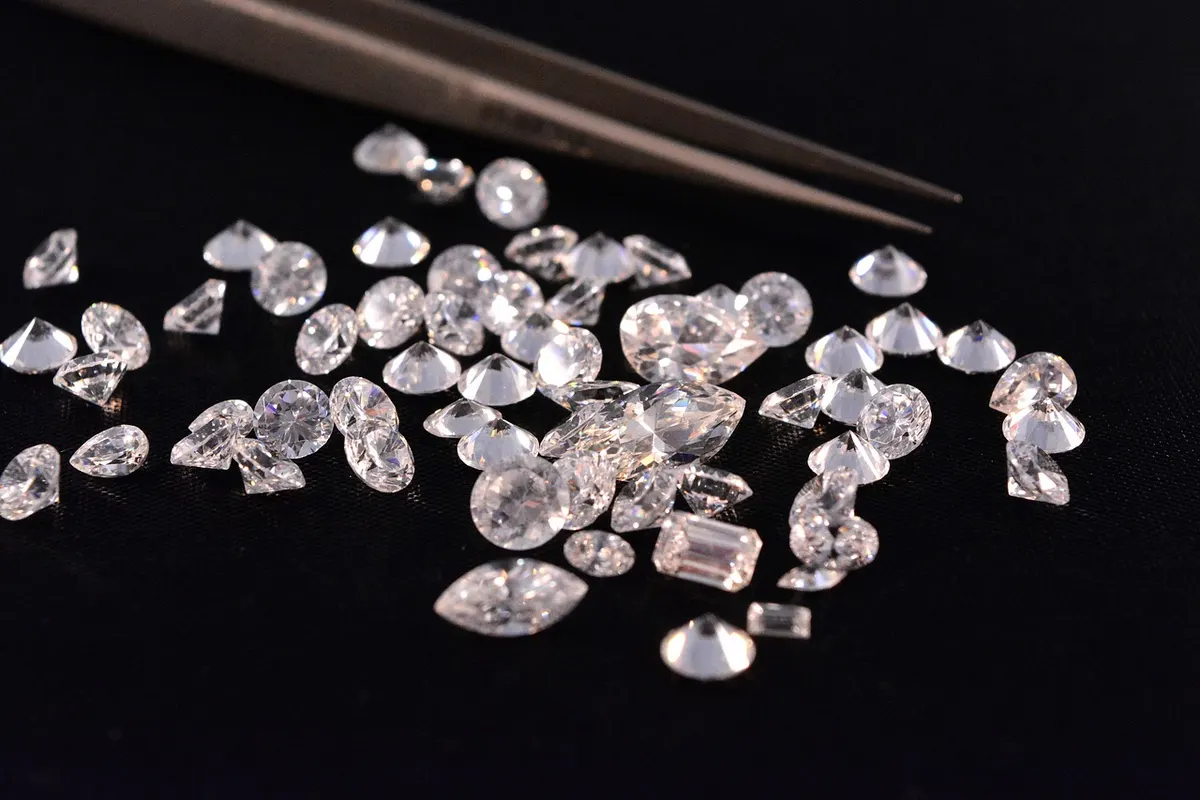
- C$4k-20k
- Side hustle
- Out and about
Estimates for a small start in Canada, not guarantees.
What it is
You act as a small independent dealer who finds and supplies loose, certified diamonds to local jewellers and private clients. You work by appointment from home or at clients' shops, often borrowing stones from wholesalers on memo (you pay only once a stone sells).
Your first three steps
- Take a recognized diamond grading course (for example through GIA) so you can talk credibly about stones
- Introduce yourself to a few independent jewellers and ask what stones they struggle to source
- Open accounts with one or two wholesalers and ask about memo terms and minimum requirements
Who pays
Independent jewellers who don't want to hold stock, designers and custom ring makers, and private buyers looking for an engagement ring stone.
How it makes money
You earn the difference between your wholesale cost and your selling price on each stone. Margins are usually smaller on high-value stones and larger on smaller ones. Some brokers also charge a sourcing fee for custom searches.
Skills that help
- Knowing diamond grading (cut, colour, clarity, carat)
- Negotiating with suppliers and buyers
- Building trust and long-term relationships
- Careful record keeping
Watch out for
- Dealers in precious metals and stones may have reporting duties under Canada's anti-money-laundering rules (FINTRAC), so check whether and how they apply to you
- Insurance for stock in transit and on memo, plus commercial general liability, as losses can be large and you are usually responsible for borrowed stones
- Only buy stones with credible grading reports and a clear source, and check the Canadian Diamond Code of Conduct and your supplier's ethical sourcing policies
- Check whether your municipality requires a home-based business licence, and register for GST/HST once you pass the small supplier threshold
- Cash flow can be uneven, as sales are large but infrequent
Deep research report · Canada
Everything you need to start: independent loose diamond broker
Researched with live web search for Canada: real startup prices, the licences and rules, what others charge, a break-even example, how to find your first customers and a 30-day launch plan. With sources.
- Startup costs with real prices
- Licences, registration and rules
- Pricing: what others charge
- Break-even example
- Finding your first customers
- 30-day launch plan
- Risks and how to reduce them
Questions people ask
How much does it cost to start as an independent diamond broker in Canada?
Startup costs are typically around $4,000 to $20,000, depending on your insurance, the stock you handle and how you set up. This is an estimate, so get insurance quotes and supplier terms before you commit.
How much can a diamond broker earn in Canada?
Monthly revenue is typically around $1,500 to $7,500, depending on how many stones you sell and your margin. These are estimates, and cash flow can be uneven because sales are large but infrequent.
What rules should I check before dealing in loose diamonds in Canada?
Check whether and how FINTRAC anti-money-laundering reporting duties apply to you. Also check insurance for stock in transit and on memo, the Canadian Diamond Code of Conduct, any home-based business licence, and GST/HST registration.
Other ways to run this business

Similar retail ideas
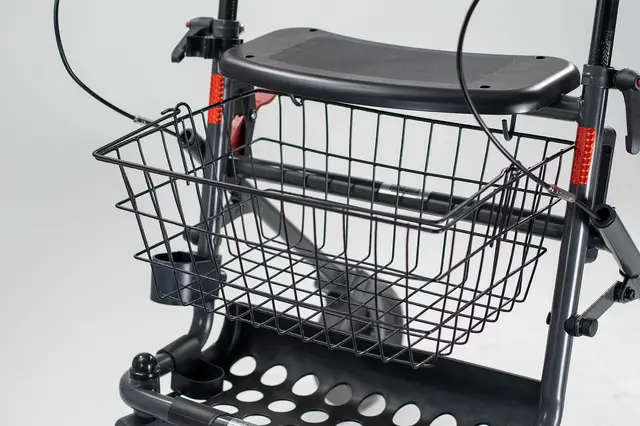
Online braces and mobility aids store
Sell braces, supports and daily living aids online, with local delivery or shipping across your province or Canada.
- C$4k-20k
- Side hustle
- Online
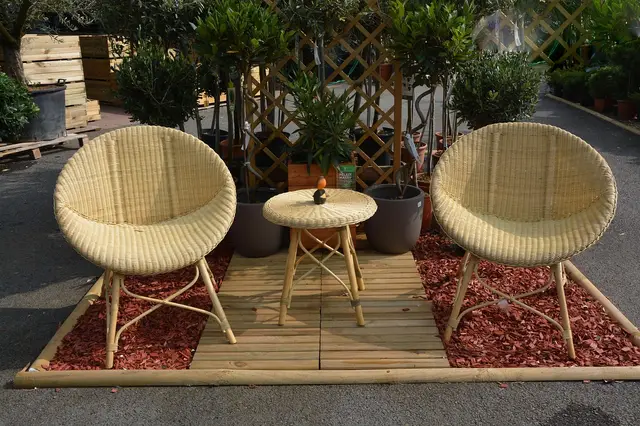
Online garden furniture store
Sell patio and outdoor furniture through your own website, shipped from suppliers or a small storage space.
- C$3k-20k
- Side hustle
- Online
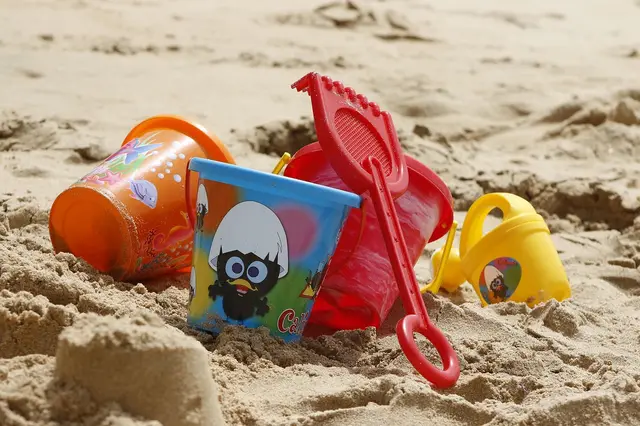
Beach toy and gear rental stand
Set up a small stand or cart by the beach to rent and sell toys, chairs, umbrellas and games to visitors.
- C$4k-20k
- Part-time
- Own premises

Online lighting and electrical fittings shop
Sell a focused range of lighting and fittings online and ship across Canada, run from home or a small storage space.
- C$3k-20k
- Side hustle
- Online
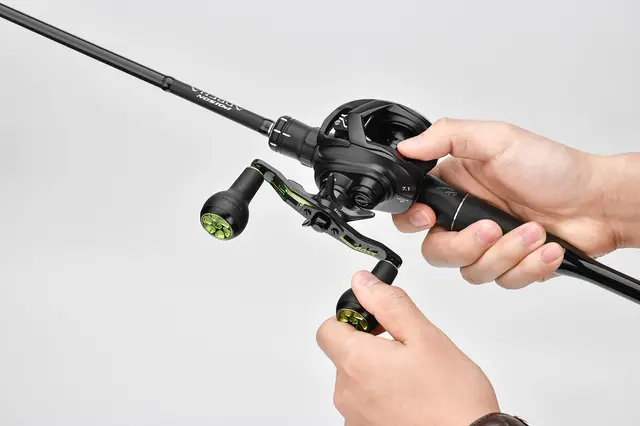
Seasonal tackle stand and bait counter
Sell tackle, bait and basics from a stall, trailer or small hut near popular fishing spots in peak season.
- C$3k-20k
- Side hustle
- Out and about

Pop-up baseball gear stand at fields
Sell gear from a tent or trailer at tournaments and sign-up days, with team orders on the side.
- C$4k-20k
- Side hustle
- Out and about
Photo: 11754907 on Pixabay