Independent scuba training business
Run your own small-group scuba courses and dive days, using rented pool time and local lake or ocean sites.
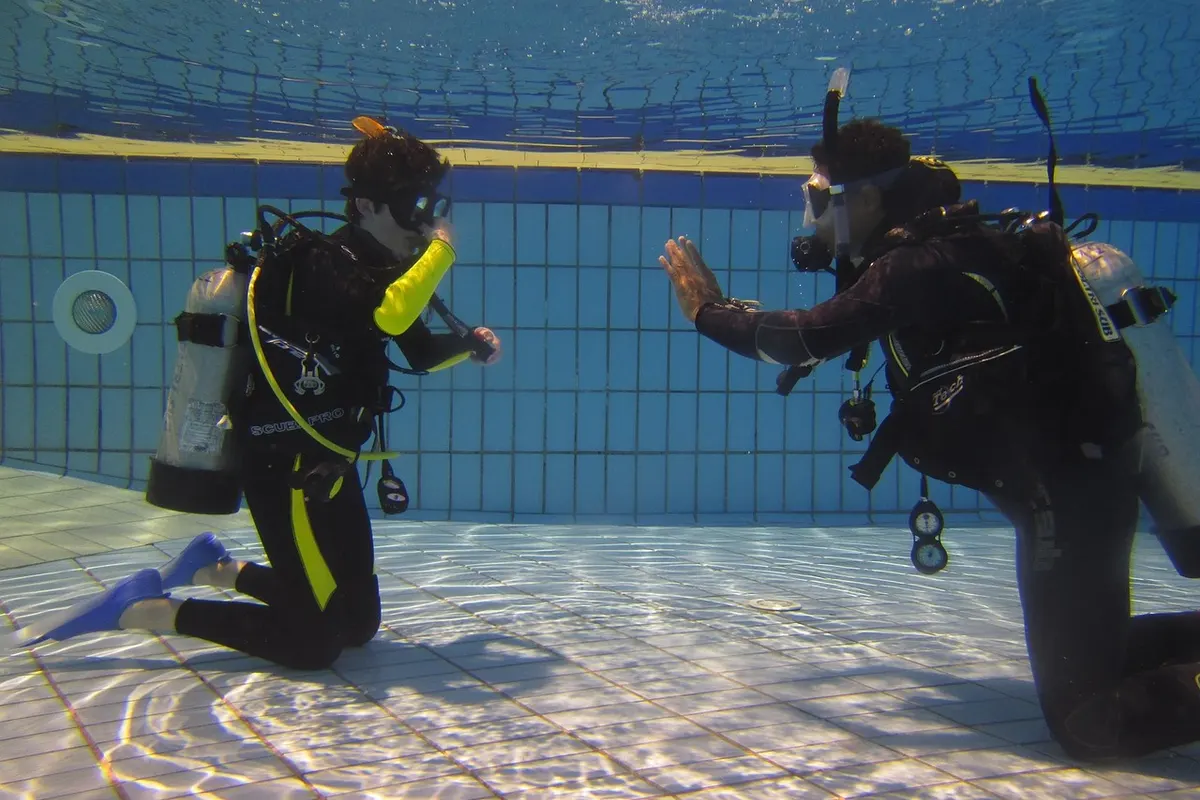
- C$8k-35k
- Part-time
- Out and about
- Licence or permit needed
Estimates for a small start in Canada, not guarantees.
What it is
You run your own small training business under a dive agency's standards. You teach pool sessions and open-water dives to small groups, and guide trips for certified divers. You rent pool time, work with a local shop or fill station for tanks, and keep a set of student gear.
Your first three steps
- Confirm your instructor certification and check the agency's rules for running an independent school or centre
- Contact local pools, dive sites and a fill station to price pool hours, tank fills and site access
- Register your business name with your province, set up a simple booking page and offer a first intro dive session to friends and local clubs
Who pays
Beginners taking a first course, certified divers wanting more training, and small groups or clubs that want guided dives.
How it makes money
Course fees per student, plus specialty courses, guided dive days and possibly gear rental or travel trips. Costs include pool rental, tank fills, site fees, insurance and gear upkeep.
Skills that help
- Instructor-level teaching and safety skills
- Marketing and local networking
- Scheduling and organizing small groups
- Basic bookkeeping
Watch out for
- Commercial general liability and professional liability insurance, and agency requirements for independent schools
- Student waivers, medical forms and record-keeping, so ask your agency and insurer what is needed
- Check provincial and municipal rules on business registration, home-based business licences and GST/HST
- Check access rules and permits for lakes, quarries and ocean sites, which vary by location
- Gear costs and upkeep, including regulator servicing and tank inspection schedules
- Short diving season in colder regions, so plan indoor pool courses and winter trips
- Check WCB or WSIB rules in your province before hiring assistants or other instructors
Deep research report · Canada
Everything you need to start: independent scuba training business
Researched with live web search for Canada: real startup prices, the licences and rules, what others charge, a break-even example, how to find your first customers and a 30-day launch plan. With sources.
- Startup costs with real prices
- Licences, registration and rules
- Pricing: what others charge
- Break-even example
- Finding your first customers
- 30-day launch plan
- Risks and how to reduce them
Questions people ask
How much does it cost to start an independent scuba school in Canada?
Startup costs are typically estimated at around $8,000 to $35,000, depending on how much student gear you buy, insurance and your pool and site arrangements. Gear servicing and tank inspections are ongoing costs to plan for.
How much can an independent dive school earn?
Monthly revenue is typically estimated at around $2,000 to $9,000, depending on group sizes, courses offered and your local diving season. Colder regions have a shorter season, so indoor pool courses and winter trips can help.
What should I check before opening a scuba training business?
Check insurance, including commercial general liability and professional liability, and your agency's requirements for independent schools. Also check student waivers and medical forms, business registration and GST/HST rules, dive site permits, and WCB or WSIB rules before hiring.
Other ways to run this business
Similar sports and fitness ideas
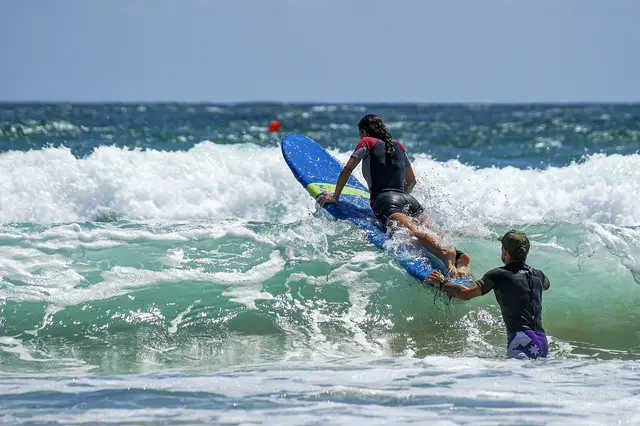
Seasonal beach surf school
Teach visitors and locals to surf in group and private lessons at a coastal beach through the warmer months.
- C$8k-35k
- Part-time
- Out and about

Ski rental delivered to your door
Drop fitted skis and boots at vacation rentals and hotels so guests skip the rental queue.
- C$8k-35k
- Side hustle
- Out and about
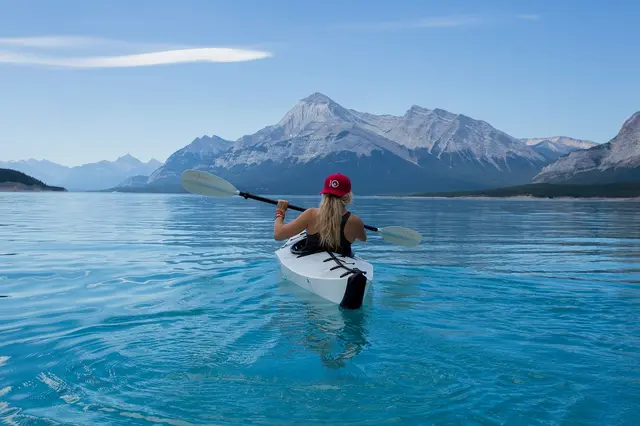
Seasonal canoe and kayak rental stand
Rent canoes and kayaks by the hour from a small waterfront spot on a lake or river during the summer.
- C$8k-35k
- Part-time
- Own premises
Pop-up running gear stall with fitting service
Sell running shoes and gear at run clubs, races and local events, and take orders online without renting a shop.
- C$8k-35k
- Side hustle
- Out and about

Small boating or sailing school
Run seasonal learn-to-sail or powerboat courses for kids and adults from a dock, club or lakeside base.
- C$8k-40k
- Part-time
- Own premises
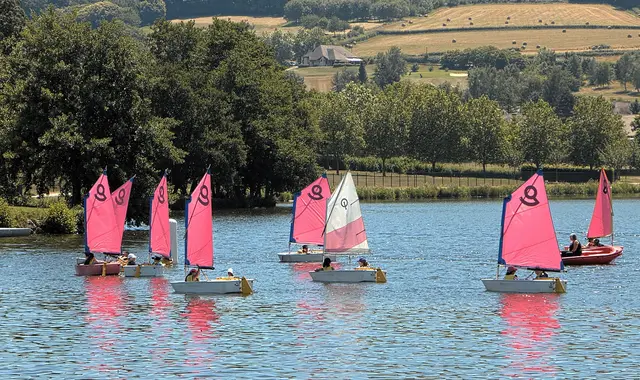
Small dinghy sailing school
Run beginner and improver sailing courses from a rented dock or club, using a few dinghies and a rescue boat.
- C$8k-40k
- Part-time
- Own premises
Photo: serenitydiver on Pixabay