Local meal delivery for seniors and busy households
Source ready meals from a licensed local kitchen and deliver them on a regular route to customers who pay per order.
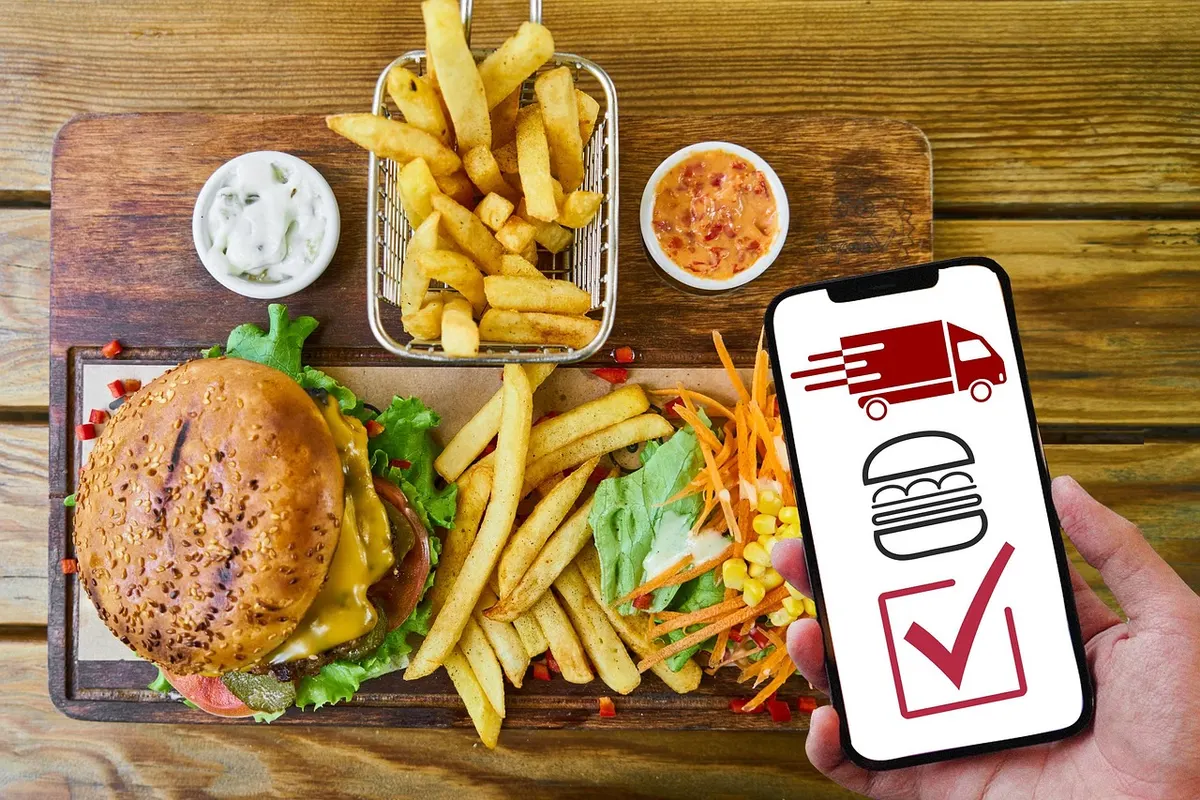
- C$1k-5k
- Side hustle
- Out and about
- Licence or permit needed
Estimates for a small start in Canada, not guarantees.
What it is
You team up with a licensed caterer, restaurant or meal producer and deliver their ready meals to your own customers on set days. You handle ordering, customer contact and delivery, while the partner handles cooking and food safety in their approved kitchen.
Your first three steps
- Contact your local public health unit first to confirm whether reselling and delivering another business's food needs a permit, registration or specific transport rules where you live
- Approach local caterers or restaurants with an offer to buy meals at a wholesale price and agree on pickup times
- Choose a small delivery area, set a menu and price list, and arrange insulated bags or coolers
Who pays
Older adults living at home, their families, people recovering from illness, and busy households in a small area.
How it makes money
A delivery fee and a margin on each meal, or a weekly subscription. A tight delivery area means more drops per hour.
Skills that help
- Reliable driving and route planning
- Friendly, patient customer service
- Organizing orders and payments
- Basic food handling
Watch out for
- Requirements vary by province and municipality: check with your local public health unit whether you need a food permit or registration before you start selling and delivering meals, and ask about temperature control and transport rules
- Check whether your municipality requires a general business licence
- Commercial general liability insurance, and confirm your auto insurer covers business delivery
- Your partner's labelling and allergen information must be accurate and passed on to customers
- Collecting GST/HST once you pass the small supplier threshold, as applicable to your sales
- Winter driving and keeping meals hot or cold safely on the route
- Rules differ in Quebec and between provinces, so check yours
Deep research report · Canada
Everything you need to start: local meal delivery for seniors and busy households
Researched with live web search for Canada: real startup prices, the licences and rules, what others charge, a break-even example, how to find your first customers and a 30-day launch plan. With sources.
- Startup costs with real prices
- Licences, registration and rules
- Pricing: what others charge
- Break-even example
- Finding your first customers
- 30-day launch plan
- Risks and how to reduce them
Questions people ask
How much does it cost to start a local meal delivery service?
Estimates suggest startup costs are typically around $1,000 to $5,000, depending on insulated bags or boxes, insurance, marketing and any vehicle upgrades. Your partner kitchen handles the cooking, which keeps costs low.
How much can a partner-kitchen meal delivery route earn?
Monthly revenue is typically estimated at around $1,500 to $6,000, depending on how many regular customers you serve and how many orders you deliver each week. Revenue is not profit, as you pay your partner for the meals.
What should I check before delivering meals in Canada?
Check with your local public health unit whether you need a food permit or registration, and ask about temperature control and transport rules. Also check municipal business licence rules, auto insurance cover for delivery, and GST/HST obligations. Rules differ by province.
Other ways to run this business

Similar food ideas

Home patisserie selling by pre-order
Bake croissants, tarts and celebration cakes at home and sell by pre-order for pickup or local delivery.
- C$1k-5k
- Side hustle
- From home
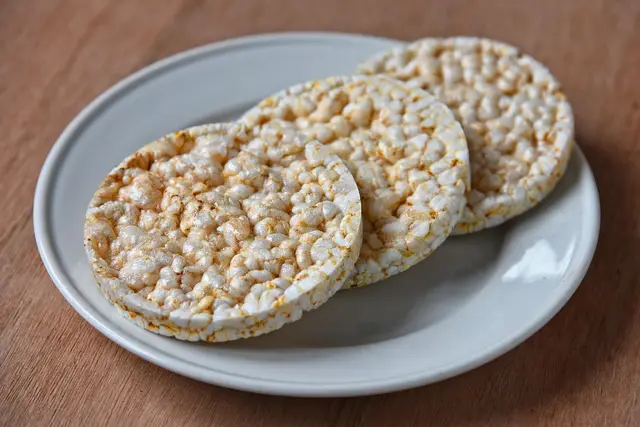
Rice cracker market stall
Sell tasting-friendly rice crackers and savoury snacks at farmers' markets, night markets and seasonal fairs.
- C$1.5k-5k
- Side hustle
- Out and about

Kids' party food platters from a licensed kitchen
Prepare and deliver ready-to-serve party food for children's birthdays, with no venue of your own needed.
- C$1k-5k
- Side hustle
- Out and about

Small-batch chocolatier from home
Make handmade chocolates in small batches and sell them at markets, online and to gift buyers.
- C$1k-5k
- Side hustle
- From home
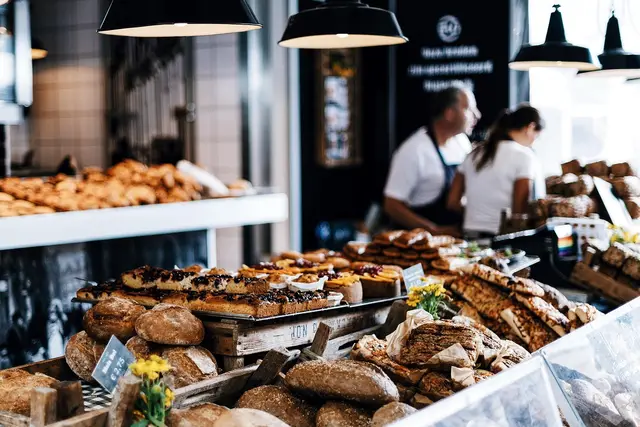
Home bakery for custom orders and markets
Bake bread, cakes and pastries from a home kitchen and sell by pre-order, pickup and local markets.
- C$500-4k
- Side hustle
- From home
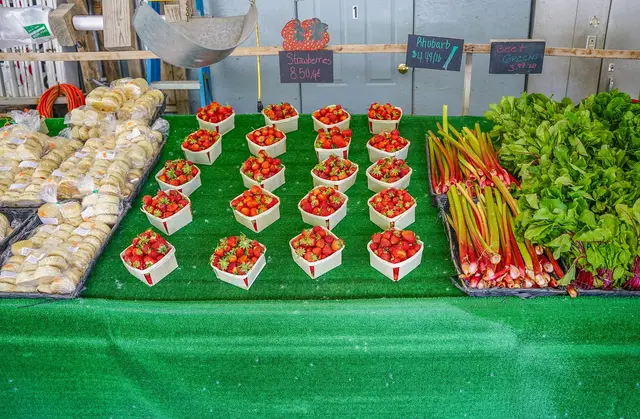
Local produce box delivery
Pack weekly fruit and vegetable boxes from home and deliver them to subscribers in your area.
- C$1k-6k
- Side hustle
- From home
Photo: Sunriseforever on Pixabay