Medical equipment showroom and rental shop
Open a small shop where people try, buy or rent mobility aids and home care equipment, and supply local care homes.
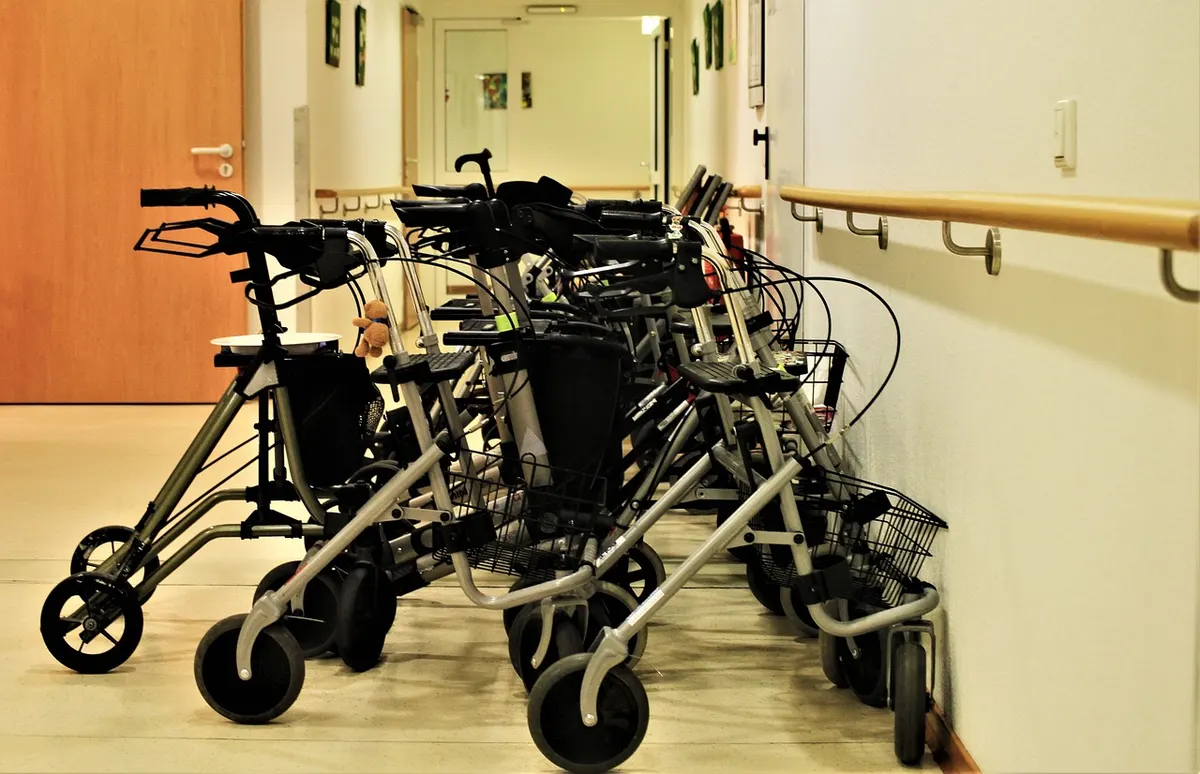
- C$30k-120k
- Full-time
- Own premises
- Licence or permit needed
Estimates for a small start in Canada, not guarantees.
What it is
A small storefront or unit with a showroom for mobility scooters, wheelchairs, walkers, lift chairs, bathroom safety products and home care beds. Customers can try items, get fitted and arrange rentals. You also quote and deliver to care homes, clinics and retirement residences in your area.
Your first three steps
- Walk through local demand: speak with care home managers, therapists and pharmacies about what they struggle to source locally
- Get quotes from Canadian distributors on opening ranges and terms, and price out a unit with ground-floor access and parking
- Check your province's assistive devices program and private insurers' supplier requirements, and any training or certification they ask for
Who pays
Private customers and families, care homes and retirement residences, clinics, physiotherapy and occupational therapy practices, and people using insurance or provincial program funding.
How it makes money
Retail margin on sales, rental income, delivery and setup fees, and supply contracts or regular orders from care homes and clinics. Repairs, servicing and accessories add steady smaller income.
Skills that help
- Sales and customer service with sensitivity to people's needs
- Product knowledge and fitting basics
- Stock control and supplier negotiation
- Handling paperwork for insurers and funding programs
Watch out for
- Health Canada medical device rules: check your licensing position as a retailer or distributor, especially if you import products
- Provincial vendor registration or authorization for assistive device funding, which can be required to bill programs
- Commercial general liability, product liability and property insurance, plus WCB or WSIB coverage once you hire (rules vary by province)
- Significant money tied up in stock and rental fleet, so start with a focused range
- Safe fitting and maintenance: poorly set up equipment can injure users, so check training from manufacturers
- Local zoning, signage and accessibility requirements for the premises
- Slow payment from care homes and funding programs can strain cash flow
Deep research report · Canada
Everything you need to start: medical equipment showroom and rental shop
Researched with live web search for Canada: real startup prices, the licences and rules, what others charge, a break-even example, how to find your first customers and a 30-day launch plan. With sources.
- Startup costs with real prices
- Licences, registration and rules
- Pricing: what others charge
- Break-even example
- Finding your first customers
- 30-day launch plan
- Risks and how to reduce them
Questions people ask
How much does it cost to start a medical equipment showroom and rental shop?
Startup costs are typically around $30,000 to $120,000, depending on your premises, the range of stock and the size of your rental fleet. Treat this as an estimate, and consider starting with a focused range because stock ties up cash.
How much can a mobility aid and medical equipment shop earn?
Monthly revenue is typically around $8,000 to $35,000, depending on your location, product range and how many care homes and private customers you serve. This is an estimate of revenue, not profit, and slow payments can strain cash flow.
What licences and rules should I check before opening a medical equipment shop?
Check Health Canada medical device rules for your licensing position as a retailer or distributor, especially if you import. Also check provincial vendor registration for assistive device funding, insurance, WCB/WSIB coverage if you hire, and local zoning, signage and accessibility requirements.
Similar retail ideas
Camping gear shop
Open a small shop selling tents, sleeping bags and camping gear to local campers and hikers.
- C$30k-120k
- Full-time
- Own premises
Small-warehouse fabric wholesaler
Buy bolts from mills and importers, and sell them by the bolt to makers, upholsterers and shops from a small unit.
- C$25k-120k
- Full-time
- Own premises

Neighbourhood battery shop
Sell car, household and device batteries from a small shop, with testing and fitting for walk-in customers and local trade buyers.
- C$30k-120k
- Full-time
- Own premises
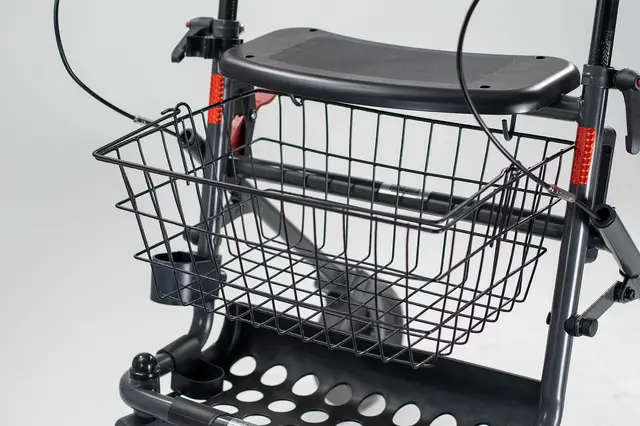
Local mobility and support products shop
Open a small shop selling braces, walkers and support aids to people recovering from injuries or living with mobility needs.
- C$40k-120k
- Full-time
- Own premises

Neighbourhood coffee bean and gear shop
Open a small shop selling fresh whole and ground beans, plus grinders, brewers and accessories to local coffee fans.
- C$40k-120k
- Full-time
- Own premises

Independent bridal boutique
Open a small shop where brides try on gowns and buy veils, shoes and accessories.
- C$40k-120k
- Full-time
- Own premises
Photo: Carola68 on Pixabay