Second-Hand instrument shop
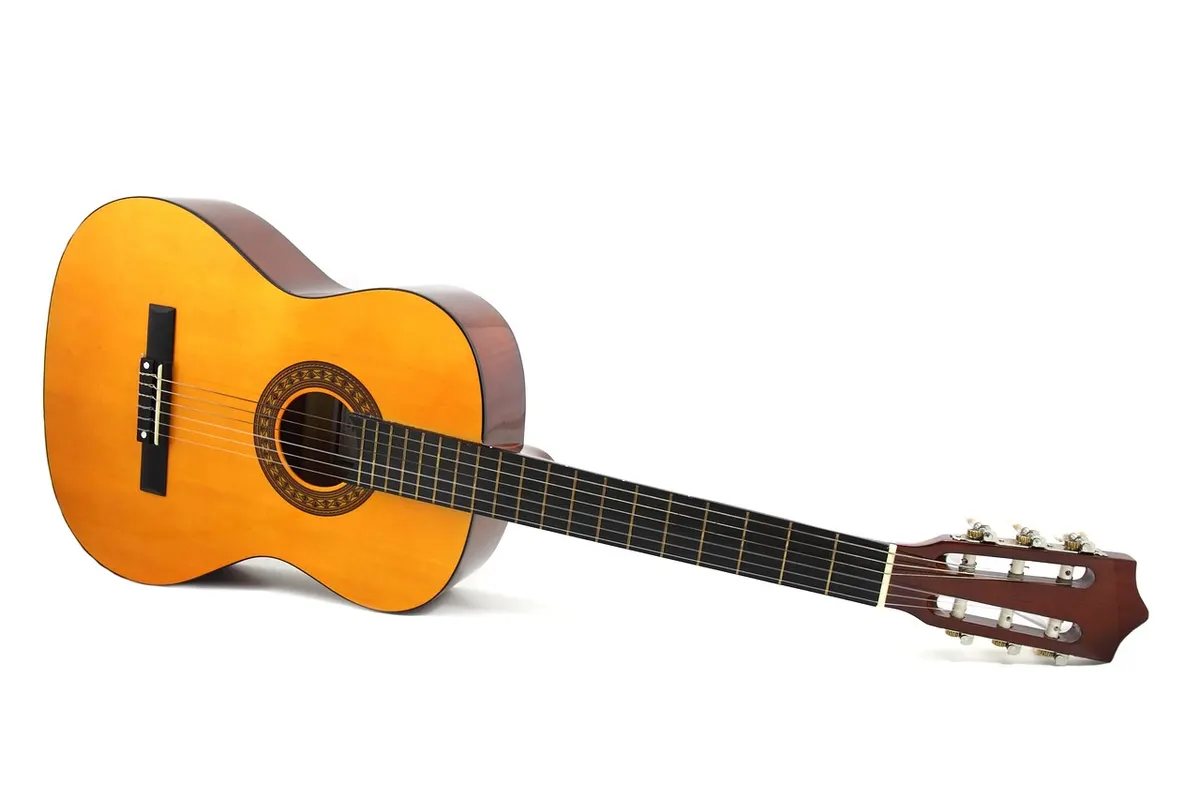
Open a small shop that buys, sells and part-exchanges used instruments and accessories.
- C$15k-60k
- Full-time
- Own premises
- Licence or permit needed
Estimates for a small start in Canada, not guarantees.
What it is
A small retail space where customers can try instruments, sell or trade in their old gear, and buy accessories like strings, picks and cables.
Your first three steps
- Research your local market: visit nearby music shops, check online listings, and note which instruments are in demand and which are scarce
- Price out small retail units near schools, music venues or busy streets, and work out your monthly rent against likely sales
- Build starting stock by buying collections from local sellers and set up a clear buy and trade-in policy
Who pays
Local students, parents, hobbyists, gigging musicians and people clearing out instruments they no longer play.
How it makes money
Margin on instruments you buy and resell, trade-in deals that bring in fresh stock, and steady sales of accessories. Simple repairs or restringing can add income.
Skills that help
- Valuing instruments fairly
- Playing or testing a range of instruments
- Customer service
- Stock and cash management
Watch out for
- Check your municipality for business licence, zoning and signage rules
- Check your province's second-hand dealer rules, as some require recording details of items you buy and may require holding items for a set period
- Register for GST/HST and check your provincial sales tax obligations
- Commercial general liability and property insurance, plus cover for stock
- Lease terms and rent are a big fixed cost, so negotiate carefully
- Stolen goods risk: ask for ID and keep purchase records
- Slow winter periods and the cost of holding unsold stock
Deep research report · Canada
Everything you need to start: second-hand instrument shop
Researched with live web search for Canada: real startup prices, the licences and rules, what others charge, a break-even example, how to find your first customers and a 30-day launch plan. With sources.
- Startup costs with real prices
- Licences, registration and rules
- Pricing: what others charge
- Break-even example
- Finding your first customers
- 30-day launch plan
- Risks and how to reduce them
Questions people ask
How much does it cost to open a second-hand instrument shop?
Startup costs are typically estimated at around $15,000 to $60,000, depending on the premises and how much stock you buy. Lease terms and rent are a big fixed cost, so negotiate carefully.
How much can a second-hand instrument shop earn?
Monthly revenue is typically estimated at around $5,000 to $25,000, depending on location, the stock you hold and the season. Winter periods can be slow, and unsold stock has a holding cost.
What licences and rules should I check before opening an instrument shop?
Check your municipality's business licence, zoning and signage rules, and your province's second-hand dealer rules, which may require recording items you buy and holding them for a set period. Also check GST/HST, provincial sales tax, and liability, property and stock insurance.
Other ways to run this business
Similar retail ideas

Second-hand CD shop
Open a small shop selling used CDs, buying collections over the counter and building a local music community.
- C$15k-60k
- Full-time
- Own premises

Linen shop on your local high street
Open a small shop selling bed linen, towels and table textiles to shoppers in your neighbourhood.
- C$15k-60k
- Full-time
- Own premises

Massage supplies shop
Open a small local shop where therapists and clients can see and try tables, oils and equipment before buying.
- C$15k-60k
- Full-time
- Own premises

Neighbourhood flower shop
Open a small street-front shop selling fresh flowers, gifts and arrangements, with local delivery.
- C$15k-60k
- Full-time
- Own premises
Used computer shop with repairs
Open a small shop selling refurbished computers and parts, with repairs to bring customers back.
- C$15k-60k
- Full-time
- Own premises
Electronic parts counter for repairers and makers
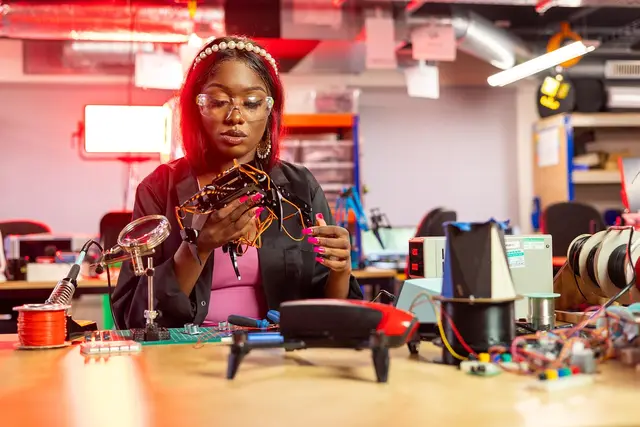
Run a small shop or unit stocking components for local repair businesses, students and hobbyists, plus an online store.
- C$15k-60k
- Full-time
- Own premises
Photo: PublicDomainPictures on Pixabay