Swarm collection and bee rescue
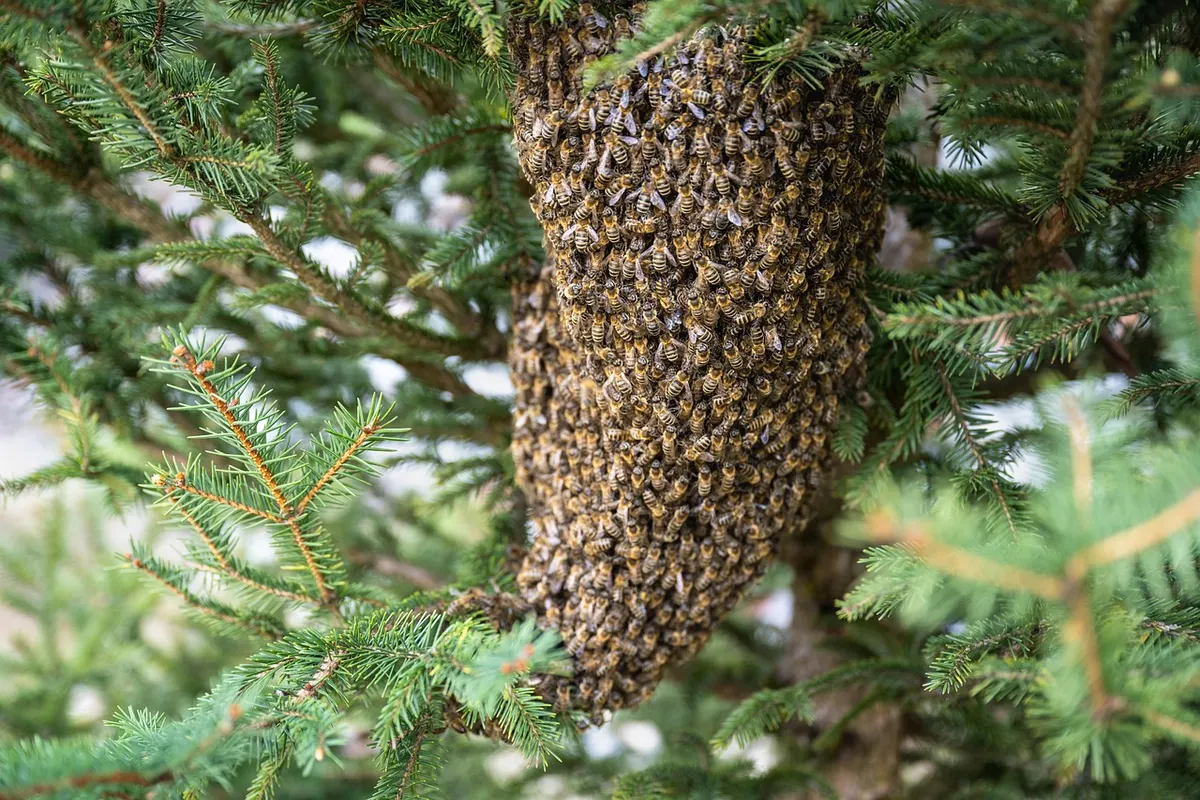
Collect honeybee swarms from gardens and public spaces, then rehome them in your own hives.
- £400-1.5k
- Side hustle
- Out and about
Estimates for a small start in the UK, not guarantees.
Official data
2,437 UK companies in this field, 16% registered in the last 2 years
SIC 01629 “Support activities for animal production (other than farm animal boarding and care) n.e.c.”. Source: Companies House, November 2026.
What it is
Responding to calls about honeybee swarms hanging in trees, hedges, sheds and gardens, collecting them safely and moving them into your own hives or passing them on to other beekeepers.
Your first three steps
- Join a local beekeeping association, take a beginner course and get a season of hands-on experience with an experienced mentor
- Buy a bee suit, a swarm box or skep, a smoker and a spare hive, then set up your own apiary
- Ask your local association to add you to its swarm collector list and tell neighbours, pest controllers and councils you offer collections
Who pays
Homeowners, schools, pubs, councils and small businesses who want a swarm removed. Many people expect a free service, so some callers will only cover your costs.
How it makes money
A call-out fee or a fixed price per collection, plus the value of the colonies you gain, which you can keep, expand your apiary with or sell to other beekeepers.
Skills that help
- Confident handling of honeybees
- Calm with worried members of the public
- Able to tell honeybees from wasps and bumblebees
- Working at modest heights safely
Watch out for
- Public liability insurance that covers swarm collection and working away from your own site (some beekeeping association policies may not cover paid work, so check)
- Swarms are seasonal, mainly spring and early summer, so income is uneven across the year
- Check that the insects are honeybees before attending, since wasps and bumblebees need different handling
- Stings and allergic reactions, so know your own risk and carry first aid
- Never work at height beyond what you are trained and equipped for
- Check the rules on keeping bees where you live, including landlord, lease or neighbour issues, and any bee health registration or inspection requirements for your nation
🔒 Full research report for UK
Real cost breakdown with current prices, licences and registration checklist, local competition, pricing, break-even and a 30-day launch plan, with sources.
Coming soonQuestions people ask
How much does it cost to start collecting bee swarms?
Startup costs are typically around £400 to £1,500, depending on the protective gear, collection equipment and hives you already have, plus insurance. These are estimates, so check what your current beekeeping kit already covers.
Can you earn money from swarm collection?
Monthly revenue is typically around £100 to £800, depending on how many call-outs you take and what people will pay. Many callers expect a free service, and swarms are mainly in spring and early summer, so income is uneven.
What should I check before offering swarm collection?
Check public liability insurance covers swarm collection and work away from your site, as some association policies may not cover paid work. Confirm the insects are honeybees before attending, and check rules on keeping bees where you live, including bee health registration.
Other ways to run this business

Similar farming and garden ideas
Small flock egg seller
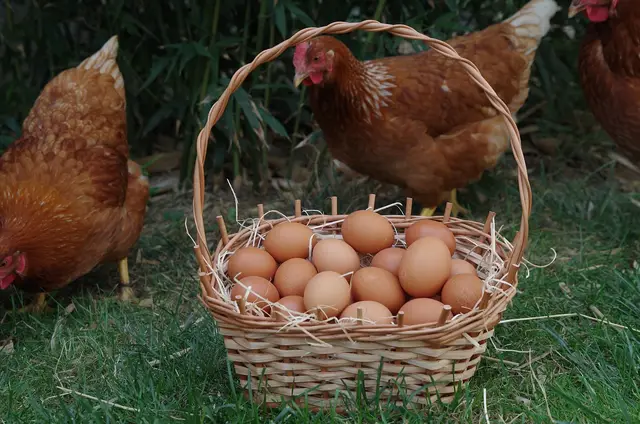
Keep a small flock of hens and sell fresh eggs to neighbours, local shops and cafes.
- £400-2k
- Side hustle
- From home
Small-scale local honey producer
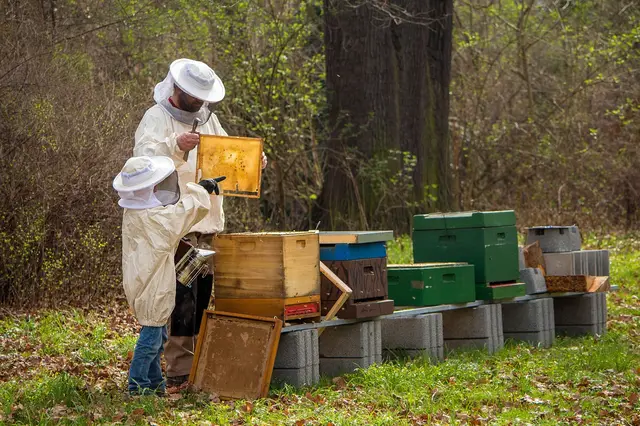
Keep a handful of hives and sell jars of local honey at markets, to neighbours and to local shops.
- £600-2.5k
- Side hustle
- Out and about

Home plant nursery selling online and locally
Grow perennials, herbs or veg plants in your garden and sell them through online listings, gate sales and local plant fairs.
- £500-3k
- Side hustle
- From home

Fertiliser sales agent for local farms
Arrange fertiliser and soil product orders for local farms and growers from home, earning a margin or commission without holding stock.
- £500-3k
- Side hustle
- From home

Roadside farm stall or honesty shop
Sell eggs, veg, honey and home-made goods from a small stall or hut at your farm gate or smallholding.
- £300-3k
- Side hustle
- Own premises
Part-time firewood and kindling seller
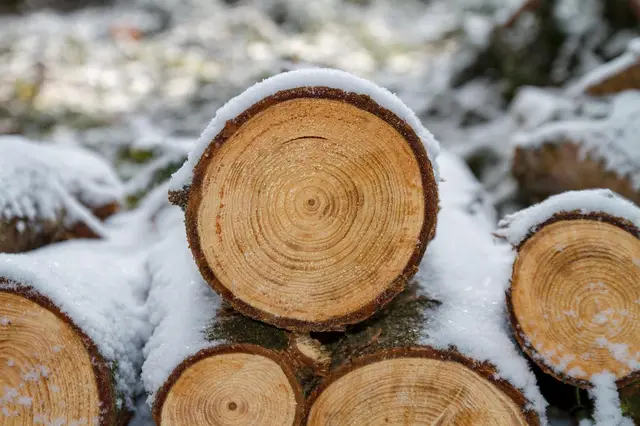
Buy in logs, season and bag them at home, then sell nets of firewood and kindling to local households.
- £500-3k
- Side hustle
- From home
Photo: xiSerge on Pixabay