Start a bee removal from buildings business
Safely remove established honeybee colonies from roofs and walls and rehome them in hives.
- £1.5k-6k
- Part-time
- Out and about
Estimates for a small start in the UK, not guarantees.
Official data
2,437 UK companies in this field, 16% registered in the last 2 years
SIC 01629 “Support activities for animal production (other than farm animal boarding and care) n.e.c.”. Source: Companies House, November 2026.
What it is
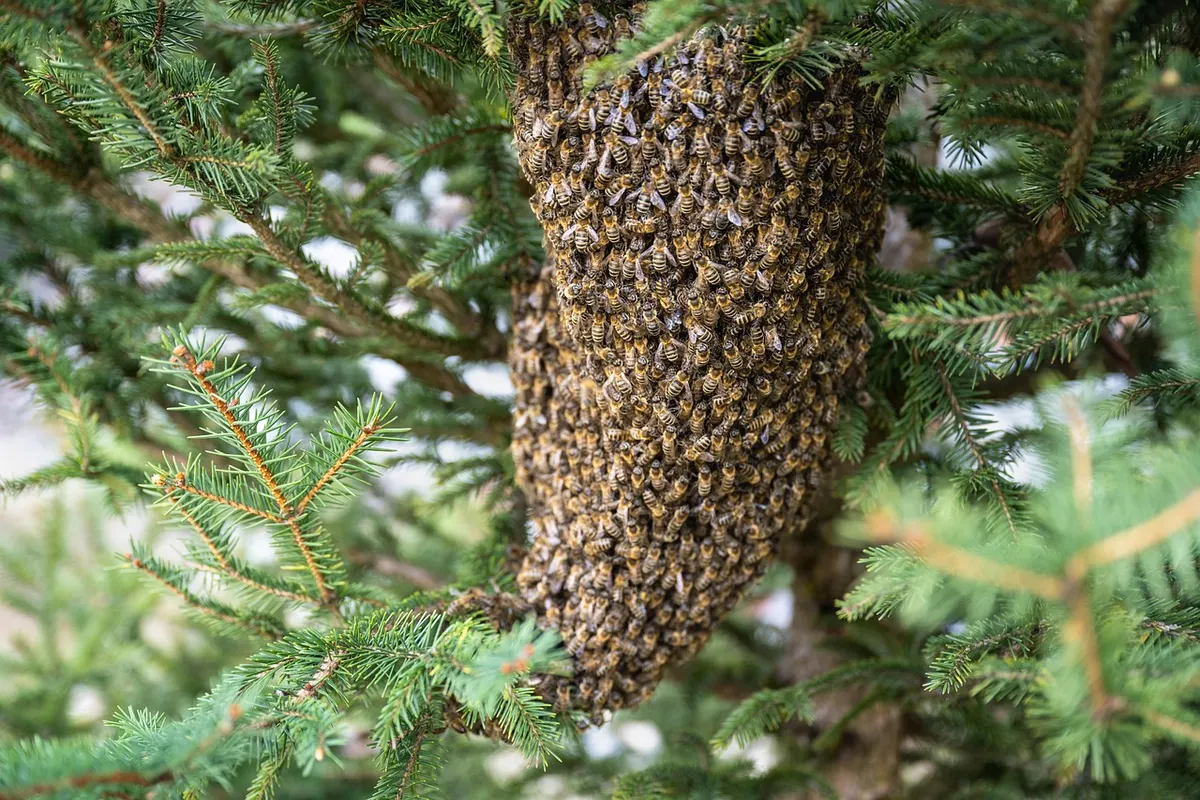
Removing established honeybee colonies from chimneys, wall cavities, soffits and roof spaces, then rehoming the bees and clearing the comb so the site is less attractive to new colonies.
Your first three steps
- Build experience with bees for at least a couple of seasons and shadow an experienced bee remover on live jobs
- Get the right kit, such as a bee vacuum, ladders or access equipment, spare hives and protective clothing
- Contact pest controllers, builders, estate agents and housing providers to offer rehoming as an alternative
Who pays
Homeowners, landlords, housing associations, churches, property managers and pest control firms who prefer to rehome bees rather than destroy them.
How it makes money
A quoted price per job based on access, time and equipment, often with extra for comb removal, cleaning and proofing the entrance. Rehomed colonies add to your own stock.
Skills that help
- Experienced beekeeping, including colony management
- Basic building knowledge and careful DIY
- Safe working at height
- Clear quoting and customer communication
Watch out for
- Public liability insurance that covers working on buildings and at height
- Safe working at height, so check training and equipment requirements, and don't work alone on risky jobs
- Check whether you need landlord, owner or council permission before opening up roofs or walls, especially on listed buildings
- Not every colony can be saved, and you must be clear with customers about what you will and won't do
- Repair work such as sealing gaps may count as building work, so only do what you are competent and insured for
- Seasonal demand and unpredictable call-outs make income uneven
- Check bee health rules in your nation, as moving colonies may need care to avoid spreading disease
Deep research report · UK
Everything you need to start: bee removal from buildings
Researched with live web search for United Kingdom: real startup prices, the licences and rules, what others charge, a break-even example, how to find your first customers and a 30-day launch plan. With sources.
- Startup costs with real prices
- Licences, registration and rules
- Pricing: what others charge
- Break-even example
- Finding your first customers
- 30-day launch plan
- Risks and how to reduce them
Questions people ask
How much does it cost to start a bee removal business?
Startup costs are typically around £1,500 to £6,000, depending on equipment, insurance and training. Check that your public liability insurance covers working on buildings and at height.
How much can you earn removing bees from buildings?
Estimated monthly revenue is typically around £300 to £2,000, depending on how many call-outs you take and how complex each job is. Seasonal demand and unpredictable call-outs make income uneven.
What rules should I check before removing bee colonies?
Check whether you need landlord, owner or council permission before opening roofs or walls, especially on listed buildings. Also check safe working at height requirements, bee health rules in your nation, and only do repair work you are competent and insured for.
Other ways to run this business

Similar farming and garden ideas

Online farm shop with boxes and collection
Take orders online for veg boxes, meat or dairy, then deliver locally or hand over at a weekly collection point.
- £500-6k
- Part-time
- Online

Small organic plot for salads and herbs
Start small on a rented plot or large garden, growing organic salad and herbs for local cafes, restaurants and neighbours.
- £1.5k-6k
- Side hustle
- Own premises
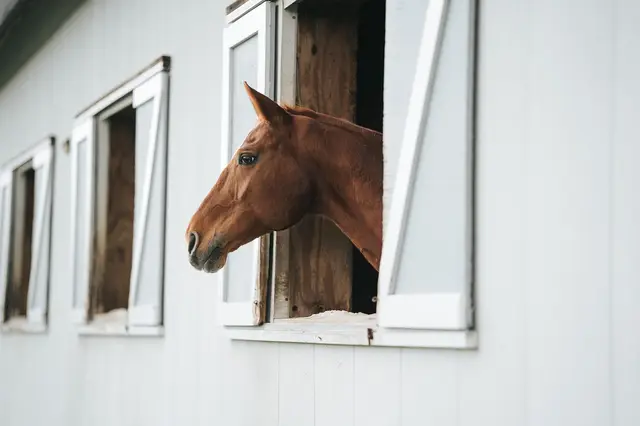
Field and grazing livery for a few horses
Rent out safe grazing and a simple shelter on spare land to owners who want a low-cost place for their horse.
- £1k-6k
- Side hustle
- Own premises

Online tractor parts seller
Sell filters, belts, seals and other tractor parts online to farmers and repairers across the UK.
- £1.2k-6k
- Side hustle
- Online

Polytunnel salad and veg grower
Grow salad leaves, tomatoes and veg in a polytunnel and sell to local cafes, shops and box customers.
- £1.5k-7k
- Side hustle
- Own premises
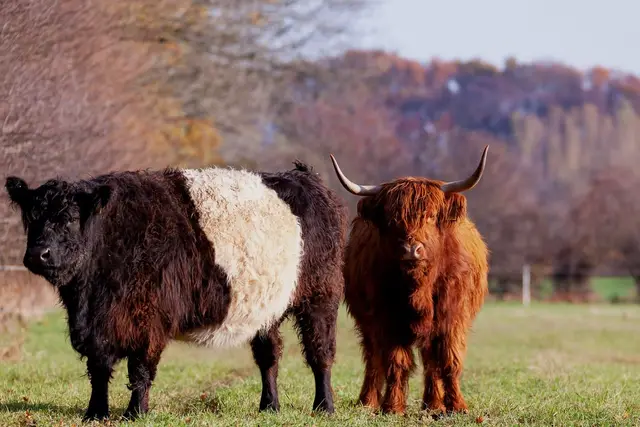
Part-time sheep and cattle dealer
Buy store lambs, ewes or calves at marts and from farms, then sell on for a margin, using a hired haulier.
- £1k-5k
- Side hustle
- Out and about
Photo: xiSerge on Pixabay