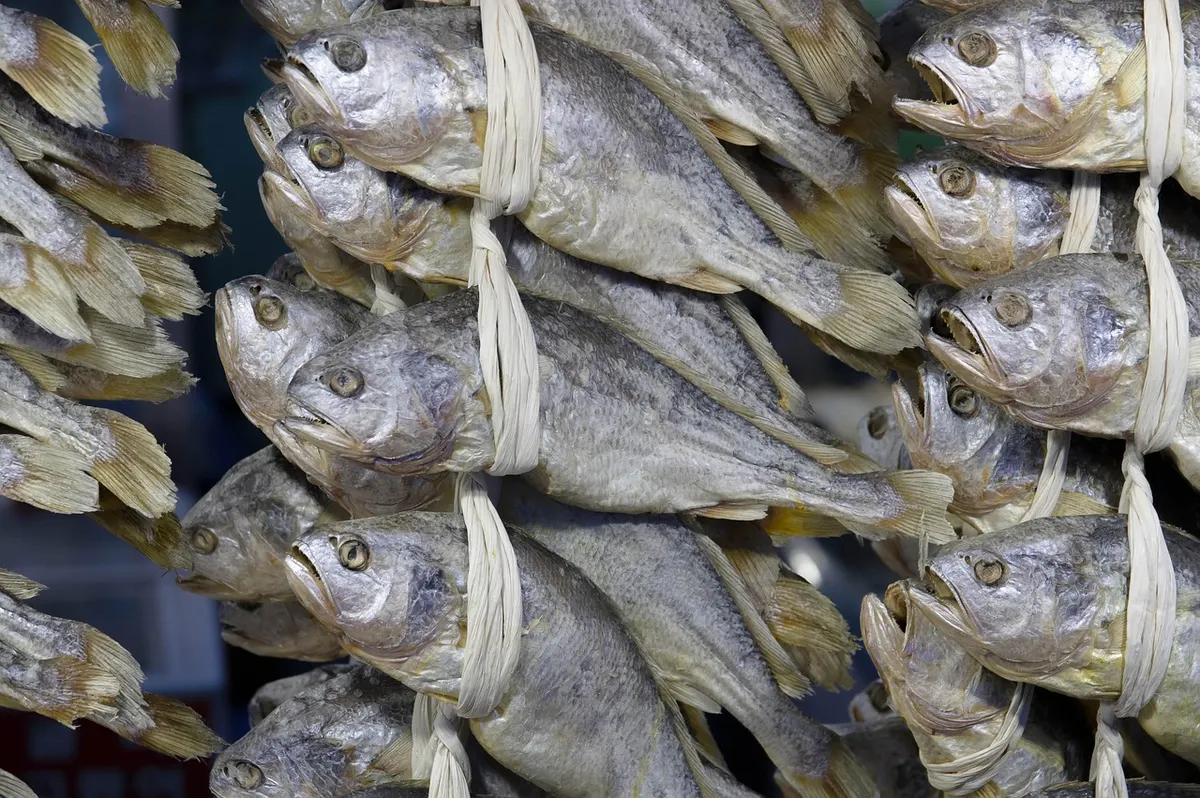
Dried seafood shop with a small unit
Open a small shop selling dried fish and shellfish to local cooks, and supply nearby restaurants and takeaways.
- £8k-35k
- Full-time
- Own premises
- Licence or permit needed
Estimates for a small start in the UK, not guarantees.
Official data
1,690 UK companies in this field, 30% registered in the last 2 years
SIC 47230 “Retail sale of fish, crustaceans and molluscs in specialised stores”. Source: Companies House, November 2026.
What it is
A small specialist shop or unit stocking dried fish, shrimp, shellfish and related pantry items, with customers able to see, smell and ask about what they buy. You can also supply local restaurants and caterers.
Your first three steps
- Research your area to find which communities and restaurants might buy, and visit competitors to compare range and prices
- Get quotes from wholesalers and importers, and check shop or unit rents and business rates for a small site
- Speak to your local council about food business registration and the layout and storage they expect before you sign a lease
Who pays
Local home cooks, especially in areas with strong Asian, African, Caribbean or Eastern European communities, plus restaurants, takeaways and caterers.
How it makes money
Retail sales at a mark-up on wholesale prices, plus regular wholesale orders to restaurants at lower margins but higher volumes.
Skills that help
- Product knowledge and talking to customers about cooking
- Buying and stock control
- Running a shop day to day
Watch out for
- Register your food business with your local council before opening, and expect an inspection
- Food hygiene, temperature control, labelling and allergen rules for fish and shellfish, so check Food Standards Agency guidance
- Lease terms, business rates, and whether your use of the premises is allowed (check planning use class with the council)
- Strong smells, which can upset neighbours, so check ventilation and storage
- Public liability, product liability and stock insurance, plus employer's liability once you hire staff
Deep research report · UK
Everything you need to start: dried seafood shop with a small unit
Researched with live web search for United Kingdom: real startup prices, the licences and rules, what others charge, a break-even example, how to find your first customers and a 30-day launch plan. With sources.
- Startup costs with real prices
- Licences, registration and rules
- Pricing: what others charge
- Break-even example
- Finding your first customers
- 30-day launch plan
- Risks and how to reduce them
Questions people ask
How much does it cost to open a dried seafood shop?
Startup costs are typically around £8,000 to £35,000, depending on the unit, fit-out and opening stock. This is an estimate, so check lease terms and business rates carefully before you sign anything.
How much can a dried seafood shop make?
Monthly revenue is typically around £3,000 to £15,000, depending on location, your customer base and whether you also supply restaurants or caterers. These are revenue estimates, not profit. Expect to work at least around 35 hours a week.
What rules should I check before opening a dried seafood shop?
Check that you register your food business with your local council before opening, and expect an inspection. Also check Food Standards Agency guidance on hygiene, temperature control and allergens, plus your lease, business rates, planning use class, ventilation for smells and insurance.
Other ways to run this business
Similar food ideas

Local drinks wholesaler with a small unit
Stock beers, wines and spirits in a small unit and deliver to pubs, restaurants and shops nearby.
- £8k-35k
- Full-time
- Own premises

Rice and grains shop
Run a small shop selling rice, grains and pulses in bulk and packs to local households and restaurants.
- £8k-35k
- Full-time
- Own premises
Neighbourhood paan shop
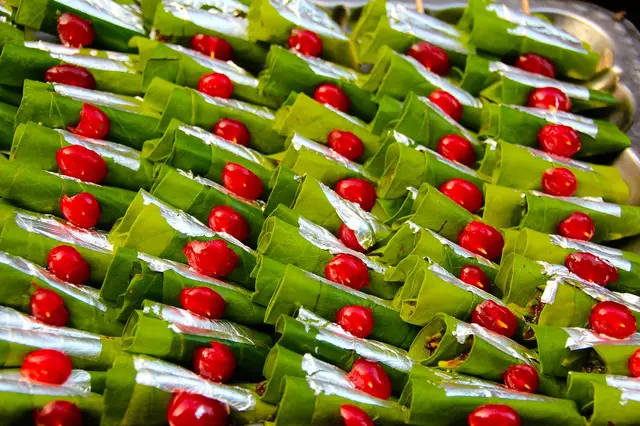
Make fresh paan to order and sell sweet treats from a small shop in a community that already knows and loves it.
- £8k-35k
- Full-time
- Own premises

Popcorn shop or kiosk unit
Open a small shop or kiosk selling freshly popped popcorn, with walk-in trade and gift orders.
- £8k-35k
- Full-time
- Own premises

Grocery wholesale delivery round
Buy everyday grocery lines in bulk and deliver them by van to local corner shops and small retailers.
- £8k-35k
- Part-time
- Out and about

Fixed coffee kiosk
Run a small kiosk at a busy spot such as a station, park, office block or leisure site.
- £8k-35k
- Full-time
- Own premises
Photo: jackmac34 on Pixabay