Industrial supplies trade counter
Stock fast-moving tools, fixings and consumables from a small unit for local factories and workshops.

- £10k-50k
- Full-time
- Own premises
Estimates for a small start in the UK, not guarantees.
What it is
A small unit on an industrial estate holding the items local businesses run out of and need quickly: cutting discs, drill bits, fixings, gloves, lubricants and hand tools. You can also take orders for bigger items and spares you order in from wholesalers.
Your first three steps
- Visit nearby industrial estates and talk to workshop managers about what they struggle to get locally and quickly
- Open trade accounts with a few wholesalers and work out a starter stock list and prices
- Price up a small unit and costs such as rent, business rates and insurance before signing a lease
Who pays
Local engineering firms, fabricators, maintenance teams, workshops and tradespeople who want same-day supply.
How it makes money
You buy at trade prices and sell with a margin. Account customers on monthly terms can give regular repeat sales, and you can add delivery or special-order fees.
Skills that help
- Product knowledge of industrial tools
- Stock control and purchasing
- Managing customer accounts
Watch out for
- Check the lease terms, business rates and whether the unit's permitted use covers trade sales
- Public liability and product liability insurance, plus cover for stock and premises
- Tied-up cash in stock that does not sell, so start with fast-moving lines
- Employer's liability insurance if you hire staff
- Check rules on storing and selling hazardous items such as chemicals, gases and lubricants
- Late payment from account customers
Deep research report · UK
Everything you need to start: industrial supplies trade counter
Researched with live web search for United Kingdom: real startup prices, the licences and rules, what others charge, a break-even example, how to find your first customers and a 30-day launch plan. With sources.
- Startup costs with real prices
- Licences, registration and rules
- Pricing: what others charge
- Break-even example
- Finding your first customers
- 30-day launch plan
- Risks and how to reduce them
Questions people ask
How much does it cost to open an industrial supplies trade counter?
Estimates suggest startup costs typically around £10,000 to £50,000, depending on the unit, initial stock and insurance. Cash can get tied up in stock that does not sell, so start with fast-moving lines.
How much can a trade counter business make?
Estimated monthly revenue is typically around £5,000 to £25,000, depending on your stock range and how many local engineering firms, workshops and tradespeople become regular customers. The estimates assume about 35 hours a week or more.
What should I check before opening a trade counter?
Check the lease terms, business rates and whether the unit's permitted use covers trade sales. Also check rules on storing and selling hazardous items such as chemicals, gases and lubricants, and the insurance you need for stock and premises.
Other ways to run this business
Similar making and manufacturing ideas
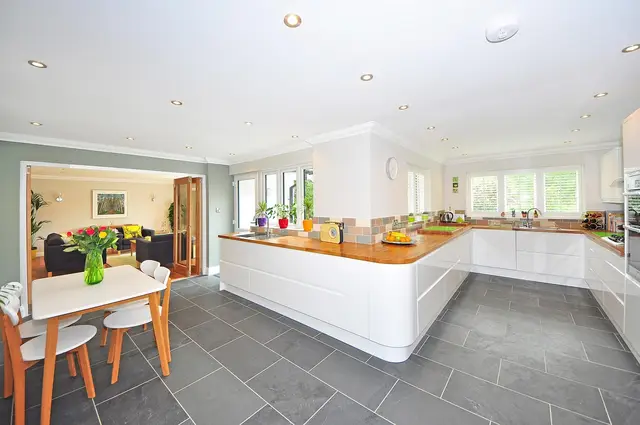
Bespoke fitted furniture workshop
Make and supply made-to-measure wardrobes, alcove units and kitchens from a small rented workshop.
- £15k-50k
- Full-time
- Own premises
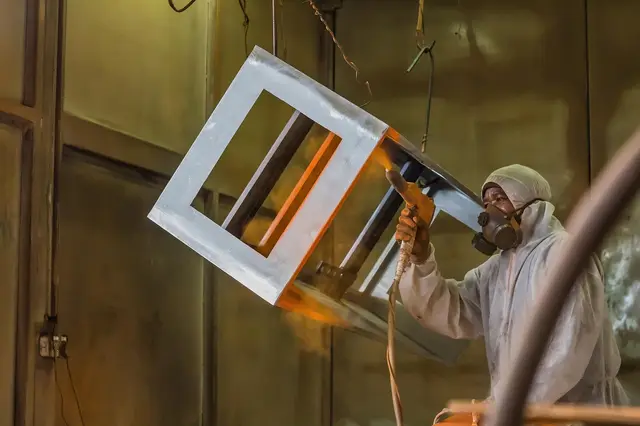
Powder coating workshop
Rent a small unit and powder coat gates, railings, furniture and parts for trade and local customers.
- £12k-50k
- Full-time
- Own premises

Custom spring maker with a small workshop
Make springs to order on a coiling machine for local manufacturers, engineers and repair firms.
- £12k-50k
- Full-time
- Own premises
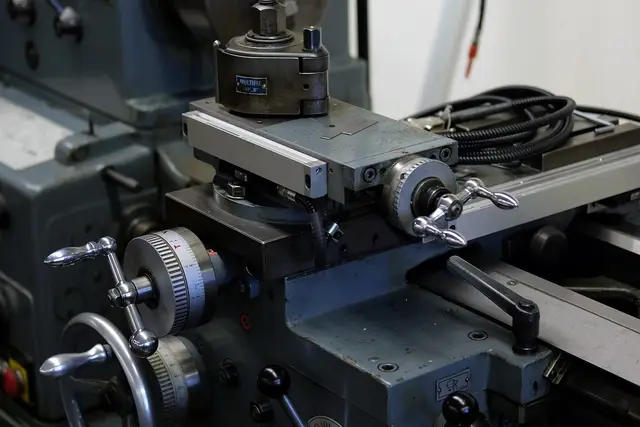
Used machine tool and tooling dealer
Buy, check and resell used metalworking machines, plus tooling and consumables, from a small unit.
- £12k-50k
- Part-time
- Own premises
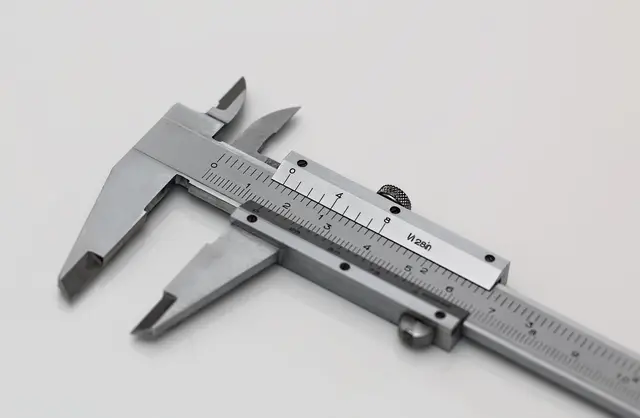
Local measuring instruments trade supplier
Stock precision tools and instruments from a small unit and supply local factories, workshops and labs on account.
- £15k-50k
- Full-time
- Own premises

Contract knitwear studio for independent labels
Rent a small unit, run flat-bed knitting machines and produce short runs for fashion start-ups and independent brands.
- £12k-50k
- Full-time
- Own premises