Small groundworks for homes and extensions
Dig footings, drives, patios bases and drainage trenches for homeowners and small builders using a mini digger.

- £8k-30k
- Part-time
- Out and about
- Licence or permit needed
Estimates for a small start in the UK, not guarantees.
Official data
5,189 UK companies in this field, 23% registered in the last 2 years
SIC 43120 “Site preparation”. Source: Companies House, November 2026.
What it is
Small-scale groundworks such as digging foundations for extensions and garages, preparing bases for drives and patios, laying drainage runs and removing spoil, usually with a mini digger and a small tipper or trailer.
Your first three steps
- Get machine operator training (for example a CPCS or NPORS card) and a CSCS card if the sites you work on ask for one
- Price up a second-hand mini digger and trailer, and compare buying against hiring by the day
- Contact local builders, architects and landscapers and offer a free quote on their next small job
Who pays
Homeowners, small builders, landscapers and self-builders who need ground prepared before other trades arrive.
How it makes money
Fixed price per job or a day rate for you and the machine, plus charges for muck away, materials and skip or tipper hire.
Skills that help
- Safe operation of a mini digger
- Reading simple plans and setting levels
- Estimating and quoting jobs
- Physical fitness and reliability
Watch out for
- Public liability insurance with cover for plant, plus insurance for your own machinery and tools
- Check for buried services (gas, water, electric) before digging, and use cable avoidance tools and plans
- Waste carrying: if you take soil or rubble away in your own vehicle as part of your business, you will probably need to register as a waste carrier before trading. Check current rules with the Environment Agency in England, Natural Resources Wales, SEPA in Scotland or NIEA in Northern Ireland. Alternatively, use a registered carrier or a skip company, and always use a permitted tip or waste site
- Operator cards such as CPCS or NPORS are training and competence proof, not legal licences, but many sites and insurers expect them
- Towing a machine on a trailer may need a driving licence with the right category (for example B+E), depending on when you passed your test and the weights involved. Check your licence entitlement with DVLA
- Drainage and foundation work may need Building Regulations sign-off, check with your local council building control
Deep research report · UK
Everything you need to start: small groundworks for homes and extensions
Researched with live web search for United Kingdom: real startup prices, the licences and rules, what others charge, a break-even example, how to find your first customers and a 30-day launch plan. With sources.
- Startup costs with real prices
- Licences, registration and rules
- Pricing: what others charge
- Break-even example
- Finding your first customers
- 30-day launch plan
- Risks and how to reduce them
Questions people ask
How much does it cost to start a small groundworks business?
Estimates suggest startup costs typically around £8,000 to £30,000, depending on the mini digger, trailer or tipper you buy, and your insurance. Plant and machinery insurance should be part of your budget.
How much can I earn doing small groundworks jobs?
Estimated monthly revenue is typically around £2,500 to £10,000, depending on the jobs you win and how often you work. The estimate assumes at least about 25 hours a week.
What rules should I check before starting groundworks?
Check for buried services before digging, and whether you need to register as a waste carrier if you take spoil away. Also check your driving licence entitlement for towing, Building Regulations sign-off with building control, and insurance with plant cover.
Other ways to run this business
Similar trades ideas

Lock and key cutting shop
Run a small shop selling locks and security fittings, with a key cutting counter for walk-in customers.
- £8k-30k
- Full-time
- Own premises
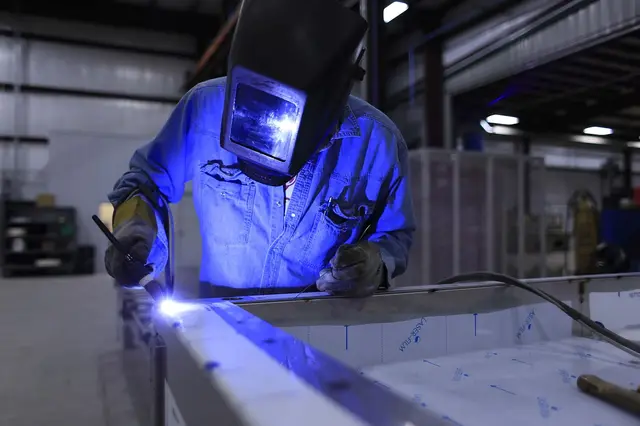
Welding and fabrication workshop
Rent a small unit to make and repair metalwork for local trade customers, from gates to custom brackets.
- £6k-30k
- Full-time
- Own premises
Small pool installation and refurbishment firm
Install, re-line and refurbish garden pools for homeowners with a small, skilled crew.
- £8k-30k
- Full-time
- Out and about
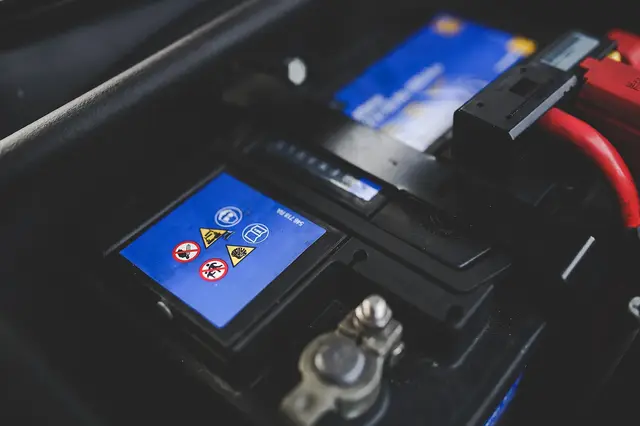
Battery supplier with a van delivery round
Stock common vehicle and equipment batteries in a small unit and deliver same day to garages, workshops and fleets.
- £8k-30k
- Full-time
- Out and about

Hull cleaning and boat diving services
Clean hulls and propellers, clear fouled lines and check moorings for boat owners and marinas, working from a van.
- £8k-30k
- Part-time
- Out and about

Refurbished commercial fridge supplier
Buy used catering fridges, have them tested and cleaned, and sell them at lower prices to new and tight-budget food businesses.
- £8k-30k
- Full-time
- Own premises
Photo: coldironexcavation on Pixabay