Plasterboard and plaster trade counter
Run a small stocked unit selling gypsum products to local trades, for collection or delivery.
- £25k-100k
- Full-time
- Own premises
Estimates for a small start in the UK, not guarantees.
What it is
A small trade unit stocking plasterboard, plaster, skim, bonding, beads, tape and fixings. Tradespeople can collect from it, or you deliver with a vehicle. You hold stock so customers can get materials the same day.
Your first three steps
- Visit local industrial units and compare rent, access for lorries and loading space
- Open trade accounts with manufacturers or wholesalers and ask about stock, delivery to you and pricing tiers
- Talk to local plasterers and contractors about which products and opening hours would make them switch to you
Who pays
Plasterers, builders, dry-lining contractors, shopfitters and keen DIY renovators who want same-day availability.
How it makes money
You buy in bulk and sell with a margin on materials. You may add delivery charges, and can also sell related items such as adhesives, tools and insulation.
Skills that help
- Stock control and buying
- Product knowledge across boards, plasters and fixings
- Customer service and account management
- Managing staff or drivers as you grow
Watch out for
- Rent, business rates and the cost of holding stock, so work out your break-even before signing a lease
- Check planning and permitted use of the unit with your local council, and the lease terms for goods access
- Forklift or lifting equipment needs trained operators, so check the training and safety rules
- Public liability, stock and buildings or contents insurance, plus employer's liability once you hire
- Damp, damaged or slow-moving stock can eat into profit
- Check goods vehicle operator licence and driver hours rules if you run heavier delivery vehicles
- Competition from large national merchants, so you need a clear edge such as speed, stock range or service
Deep research report · UK
Everything you need to start: plasterboard and plaster trade counter
Researched with live web search for United Kingdom: real startup prices, the licences and rules, what others charge, a break-even example, how to find your first customers and a 30-day launch plan. With sources.
- Startup costs with real prices
- Licences, registration and rules
- Pricing: what others charge
- Break-even example
- Finding your first customers
- 30-day launch plan
- Risks and how to reduce them
Questions people ask
How much does it cost to open a plasterboard trade counter?
Startup costs are estimated at typically around £25,000 to £100,000, depending on rent, the unit, how much stock you hold and any vehicles. Work out your break-even before signing a lease, as rent, business rates and stock all add up.
How much revenue can a trade counter make?
Monthly revenue is estimated at typically around £15,000 to £60,000, depending on your stock range, location and customer base. Damp, damaged or slow-moving stock can eat into profit, and national merchants will be competitors.
What should I check before renting a trade unit?
Check planning and permitted use of the unit with your local council, and the lease terms for goods access. Also check the training and safety rules for forklift or lifting equipment, and goods vehicle operator licence rules for heavier vehicles.
Other ways to run this business
Similar trades ideas

Local solar trade supplier with stock
Stock panels, inverters and mounting kits from a small unit and supply local installers and builders.
- £25k-100k
- Full-time
- Own premises

Fire protection trade counter and stockroom
Hold stock of sprinkler and suppression components in a small unit so local installers can collect or get next-day delivery.
- £25k-100k
- Full-time
- Own premises
Air con trade counter and stockist
Run a small trade unit stocking air con equipment and parts so local installers can collect same day.
- £25k-100k
- Full-time
- Own premises

Window and glazing trade counter
Run a small unit stocking glazing units, fittings and standard windows for local glaziers and builders to collect.
- £20k-100k
- Full-time
- Own premises
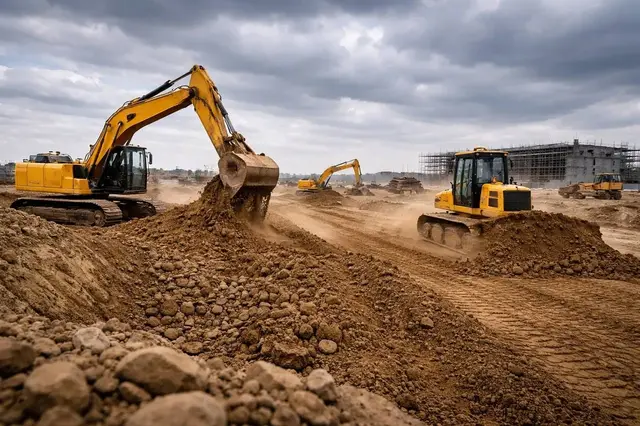
Groundworks subcontractor for builders
Run a small gang that does foundations, drainage and site levelling as a subcontractor on new-build and development sites.
- £25k-100k
- Full-time
- Out and about
Used forklift sales and hire from a small yard
Buy, refurbish and sell used forklifts to local warehouses and factories, with a few trucks for short-term hire.
- £25k-90k
- Part-time
- Own premises