Local industrial property agent
Match landlords with businesses needing small warehouses and units in your area, earning commission on each deal.

- £1.5k-6k
- Part-time
- From home
Estimates for a small start in the UK, not guarantees.
Official data
37,124 UK companies in this field, 28% registered in the last 2 years
SIC 68310 “Real estate agencies”. Source: Companies House, November 2026.
What it is
A one-person agency, run mostly from home, that markets and lets or sells small industrial units, workshops and warehouses in a local patch. You list the units, handle enquiries, show tenants round and negotiate terms.
Your first three steps
- Map the industrial estates in your area and note who owns them and which units are empty or advertised by others
- Check the registration, insurance and anti-money laundering requirements for estate agents, and consider whether to join a professional body
- Contact a handful of local landlords and offer to market one unit on a no-let, no-fee basis to build a track record
Who pays
Landlords and owners of industrial units, and sometimes business tenants or buyers who want help finding space.
How it makes money
Commission on completed lettings or sales, usually a share of the first year's rent or a percentage of the sale price. Some agents also charge fees for rent reviews or lease renewals. Income is lumpy because deals take time to complete.
Skills that help
- Negotiating and selling
- Building trust with landlords and business owners
- Reading leases and basic property terms
- Organised follow-up and record keeping
Watch out for
- Estate agents usually need to register with HMRC for anti-money laundering supervision, check whether this applies to you
- Professional indemnity and public liability insurance, check what lenders and landlords expect
- Check whether you need to join a redress scheme or follow the Estate Agents Act 1979 and trading standards rules on property descriptions
- Long gaps between deals mean you need savings to cover several months without income
- Running a business from home may need permission from a landlord or mortgage lender
Deep research report · UK
Everything you need to start: local industrial property agent
Researched with live web search for United Kingdom: real startup prices, the licences and rules, what others charge, a break-even example, how to find your first customers and a 30-day launch plan. With sources.
- Startup costs with real prices
- Licences, registration and rules
- Pricing: what others charge
- Break-even example
- Finding your first customers
- 30-day launch plan
- Risks and how to reduce them
Questions people ask
How much does it cost to start an industrial property agency from home?
Startup costs are typically around £1,500 to £6,000, depending on your set-up. These are estimates, so build in savings to cover several months, as deals can be far apart.
How much can a home-based industrial estate agent earn?
Monthly revenue is typically around £1,000 to £5,000, depending on how many deals you complete. These are estimates, and income can be uneven because there are often long gaps between deals.
What rules should I check before becoming an industrial property agent?
Check whether you need to register with HMRC for anti-money laundering supervision, and what insurance lenders and landlords expect. Also check redress scheme requirements, the Estate Agents Act 1979 and trading standards rules on property descriptions.
Other ways to run this business
Similar business services ideas

Water filter supply and replacement service
Supply and swap filters at offices, cafes and commercial kitchens on a regular service visit.
- £1.5k-6k
- Part-time
- Out and about

Coffin supplier to funeral directors
Source coffins and caskets from makers and supply small funeral directors, with fast delivery.
- £1k-6k
- Side hustle
- From home
Business finance broker
Help small firms find business loans, asset finance and cash flow funding, paid by commission or fee.
- £1k-6k
- Part-time
- From home

Independent local business broker
Help owners of small local firms sell up, find buyers and earn a commission when the sale completes.
- £1.5k-6k
- Part-time
- From home

Home-based lettings agent for landlords
Find tenants, run viewings and handle paperwork for local landlords, working from home and on the road.
- £1.5k-6k
- Side hustle
- From home
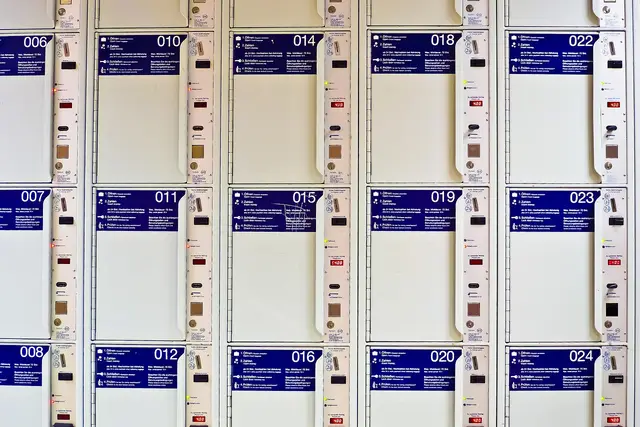
Coin-operated lockers in local venues
Place pay-to-use storage lockers in venues like pools, gyms or attractions and share the takings with the owner.
- £1k-6k
- Side hustle
- Out and about